

What's Happening?
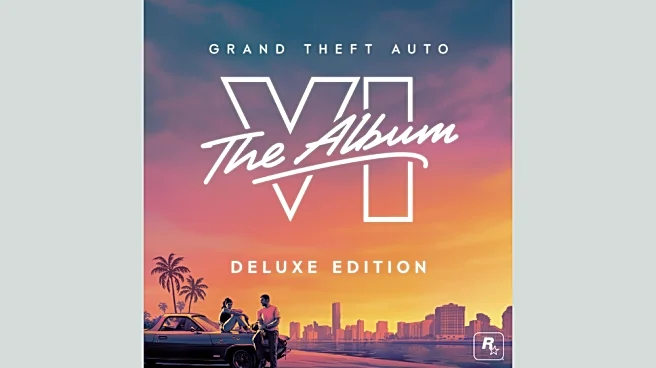
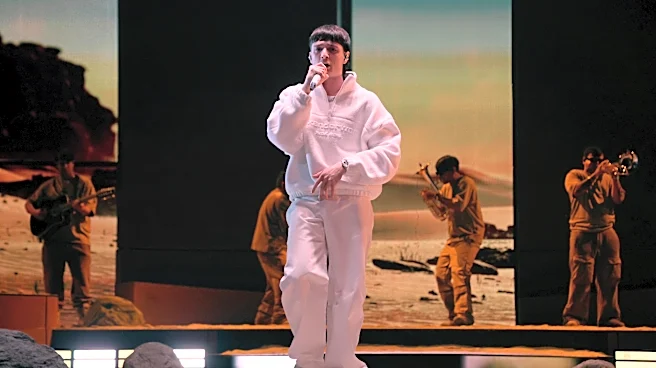
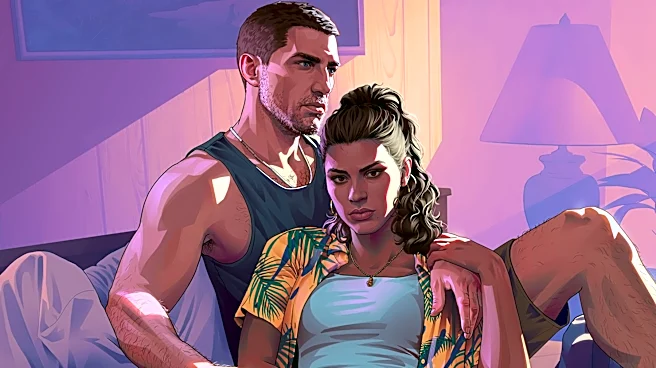
Omar Apollo's song "NO ME BUSQUES" has been included on the official 34-track soundtrack for the newly released video game, Grand Theft Auto VI: The Album. The game, set in the fictional, South Florida-inspired state of Leonida and Vice City, features
a culturally immersive soundscape with a significant emphasis on Latin music. The soundtrack and in-game radio stations, such as Cocoteo FM, showcase a diverse array of Latine artists. Bad Bunny co-hosts Cocoteo FM, contributing to the authentic Boricua atmosphere with tracks like his own "EoO" alongside classic reggaetón and Dominican dembow. Other notable Latine artists on the soundtrack include JHAYCO, Fuerza Regida, Cardi B, Camila Cabello, and Arca, all contributing to what is described as one of gaming's most extensive integrations of Latin music.
Why It's Important?
The inclusion of Omar Apollo and numerous other Latine artists on the 'GTA VI' soundtrack signifies a major cultural moment for Latin music within mainstream entertainment. Grand Theft Auto is a globally recognized franchise, and its soundscape has historically influenced music trends and introduced artists to vast audiences. This extensive integration of Latin music not only provides significant exposure for artists like Omar Apollo but also reflects and amplifies the growing influence of Latin culture in the United States and globally. For the music industry, it highlights the increasing value of video game soundtracks as platforms for music discovery and artist promotion, potentially leading to new revenue streams and broader fan bases for featured artists. This move also caters to the diverse player base of 'GTA VI', offering a more representative and immersive experience.
What's Next?
The exposure gained from the 'GTA VI' soundtrack is likely to boost Omar Apollo's profile, potentially leading to increased streaming numbers, album sales, and concert attendance. Other featured Latine artists may also experience similar career upticks. The success of this soundtrack could encourage other major video game developers to further integrate diverse musical genres and artists into their games, recognizing the cultural and commercial benefits. This trend might also influence music labels to actively pursue placements in video games as a key strategy for artist development and promotion. Furthermore, the game's release could spark discussions about the evolving role of music in interactive entertainment and its capacity to shape cultural landscapes.
Beyond the Headlines
The prominent role of Latin music in 'GTA VI' goes beyond mere entertainment; it reflects a broader demographic and cultural shift in the United States. As the Latine population continues to grow, its cultural expressions, including music, are becoming more central to mainstream media. This integration in a high-profile game like 'GTA VI' can help normalize and celebrate Latin culture, potentially fostering greater understanding and appreciation among diverse audiences. It also challenges traditional notions of what constitutes a 'mainstream' soundtrack, pushing boundaries and creating space for more diverse voices. This could lead to long-term shifts in how cultural representation is approached in media, encouraging more authentic and inclusive portrayals across various entertainment platforms.