





What's Happening?
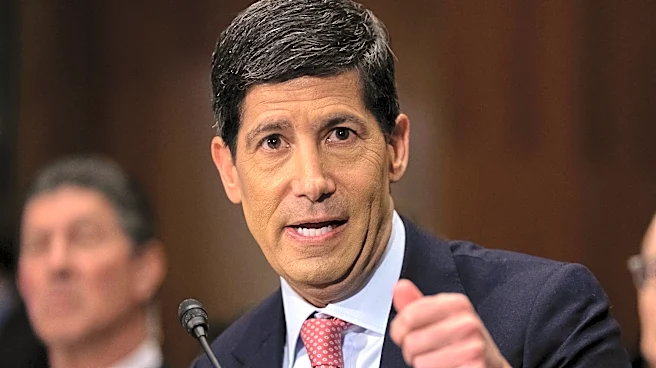
The Federal Reserve's interest rate decisions are under scrutiny as they may not directly influence mortgage refinance rates, which are more closely tied to longer-term bond yields. Kevin Warsh, a key figure at the Fed, has emphasized the commitment to price
stability but has not provided clear guidance on interest rate directions. Despite potential rate hikes, the bond market, particularly the yield on the 10-year Treasury, plays a significant role in determining borrowing costs for consumers. This dynamic suggests that even if the Fed raises rates, it may not lead to a uniform increase in mortgage rates across the curve.
Why It's Important?
Understanding the relationship between the Federal Reserve's actions and mortgage rates is crucial for consumers and the housing market. As mortgage rates are influenced by bond yields, which are affected by various factors beyond the Fed's control, homeowners and potential buyers must consider these elements when planning to refinance or purchase homes. The Fed's decisions can impact economic stability, influencing consumer confidence and spending, which are vital for economic growth. The housing market, a significant component of the U.S. economy, could experience shifts based on these interest rate dynamics.
What's Next?
The Federal Reserve's future actions regarding interest rates will be closely monitored, especially as inflation remains a concern. Market participants will watch for any signals from the Fed about potential rate hikes or cuts. The bond market's response to these signals will be critical in determining the actual impact on mortgage rates. Homeowners and potential buyers should stay informed about these developments to make timely financial decisions. Additionally, the Fed's communication strategy will be essential in managing market expectations and maintaining economic stability.