







What's Happening?
Dr. Lori Zettell, a Health & Wellness Expert at Outside The Box Functional Medicine, shared insights on healthy eating habits in a HelloNation article. The piece highlights that achieving balanced nutrition does not necessitate strict diets or complex
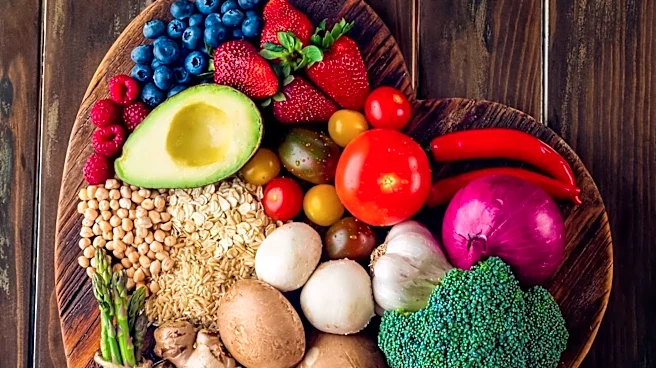
food rules. Instead, it advocates for a practical approach centered on everyday food choices that supply adequate protein, fiber, vitamins, minerals, and energy. The article suggests prioritizing whole foods such as fruits, vegetables, whole grains, beans, nuts, eggs, fish, lean meats, and dairy products. It also addresses the role of highly processed foods, recommending their gradual replacement with less-processed alternatives rather than complete elimination. Emphasis is placed on the importance of protein for muscle support and satiety, and fiber for digestion and fullness. The article promotes simple, flexible meal structures combining a protein source, a fruit or vegetable, and a fiber-rich carbohydrate, allowing for individual preferences and budgets. Additionally, it advises against overwhelming dietary changes, suggesting that small, incremental adjustments are more sustainable.
Why It's Important?
This guidance is significant for the U.S. public as it demystifies healthy eating, making it more accessible and less intimidating. Many individuals struggle with rigid diet plans, often leading to failure and frustration. Dr. Zettell's approach, as presented in HelloNation, offers a sustainable alternative that integrates into daily life without drastic overhauls. By focusing on whole foods and gradual changes, it can help combat the prevalence of diet culture and promote a healthier relationship with food. This perspective could lead to improved public health outcomes by encouraging more consistent healthy eating patterns, potentially reducing the incidence of diet-related chronic diseases. For the food industry, this shift might encourage a greater demand for minimally processed foods and clearer labeling, while for consumers, it empowers them to make informed choices without feeling deprived or overwhelmed.
What's Next?
The continued dissemination of such practical and flexible nutritional advice could lead to a broader public adoption of balanced eating habits. Health and wellness experts may further emphasize personalized approaches to diet, moving away from one-size-fits-all solutions. Consumers might increasingly seek out resources that offer adaptable meal planning and simple food preparation techniques. This trend could also influence food manufacturers to innovate with more whole-food-based products and clearer ingredient lists to meet evolving consumer demands. Educational initiatives focusing on basic nutrition principles, such as understanding macronutrients and reading food labels, are likely to gain traction, empowering individuals to make sustainable dietary choices for long-term health.
Beyond the Headlines
The emphasis on flexibility and gradual change in dietary habits reflects a broader cultural shift away from restrictive dieting towards sustainable lifestyle modifications. This approach acknowledges the psychological impact of food choices, promoting a more positive and less guilt-ridden relationship with eating. It also subtly challenges the marketing of quick-fix diet solutions, advocating for a more mindful and intuitive approach to nutrition. Ethically, this perspective supports food inclusivity, recognizing diverse cultural traditions and individual preferences rather than imposing a singular ideal. Legally, while 'clean eating' remains unregulated, the focus on whole, minimally processed foods aligns with general public health recommendations, potentially influencing future dietary guidelines to be more adaptable and less prescriptive, thereby fostering greater public adherence and long-term health benefits.