






What's Happening?
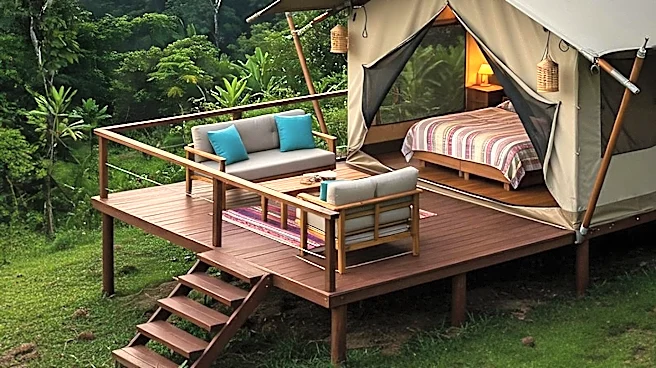
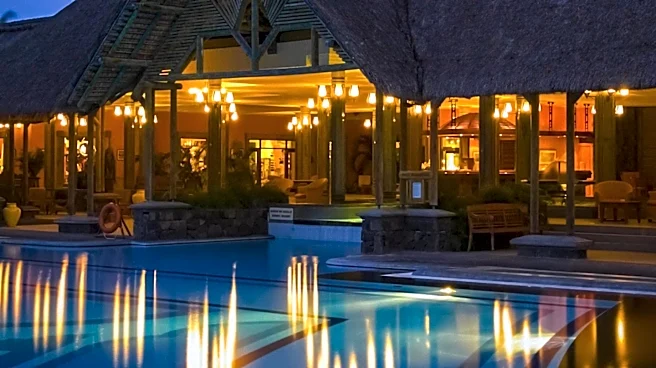
Eco Hotel Glamping La Cristalina in San Vicente is providing guests with a range of amenities, including an outdoor swimming pool, a garden, a shared lounge area, and an on-site restaurant. The establishment also features a 24-hour reception service to
cater to guests' needs at any time. This eco-glamping site aims to offer a comfortable and nature-integrated experience for visitors in San Vicente. The availability of these facilities suggests a focus on both relaxation and convenience for those seeking a unique accommodation option that combines the appeal of camping with hotel-like comforts.
Why It's Important?
The emergence and growth of eco-glamping facilities like Eco Hotel Glamping La Cristalina reflect a broader trend in the tourism and hospitality industry towards sustainable and experiential travel. For U.S. travelers, this signifies an increasing number of options for vacations that prioritize environmental consciousness without sacrificing comfort. This trend can influence U.S. tourism businesses to adopt similar eco-friendly practices and glamping models to attract a growing segment of environmentally aware consumers. The availability of such accommodations also highlights a shift in consumer preferences, where unique, nature-immersed experiences are becoming more desirable than traditional hotel stays, potentially impacting investment and development in eco-tourism infrastructure both domestically and internationally.
What's Next?
The success of eco-glamping ventures like Eco Hotel Glamping La Cristalina could encourage further investment and development in similar sustainable tourism projects globally, including within the U.S. This may lead to an expansion of eco-friendly accommodation options, potentially driving innovation in sustainable building materials and energy solutions within the hospitality sector. Travelers can expect more diverse and unique glamping experiences to become available, offering varying levels of luxury and immersion in nature. Additionally, the emphasis on sustainability might prompt regulatory bodies to establish clearer guidelines and certifications for eco-tourism, ensuring genuine environmental responsibility across the industry.
Beyond the Headlines
The rise of eco-glamping points to a deeper cultural shift towards valuing experiences over possessions and a heightened awareness of environmental impact. This trend challenges traditional notions of luxury travel, redefining it to include sustainability, authenticity, and a connection to nature. For the U.S., this could mean a re-evaluation of land use for tourism, promoting conservation efforts, and fostering local economies through responsible tourism. It also raises questions about accessibility to such experiences and how to ensure that eco-tourism benefits local communities and ecosystems without leading to over-tourism or environmental degradation. The ethical dimension of balancing comfort with ecological preservation will remain a key consideration for the future of this sector.