




What's Happening?
AI technology is significantly transforming the agricultural sector by enabling early detection of crop diseases, pest attacks, and nutrient deficiencies through advanced image analysis. This technological advancement allows farmers to take swift action
to protect their yields more effectively. By providing expert guidance that is more accessible, especially in remote areas, AI is improving decision-making processes, reducing crop losses, and supporting more efficient and sustainable farming practices. The integration of AI in agriculture is making it possible for farmers to optimize their resources and enhance productivity, which is crucial for meeting the growing food demands.
Why It's Important?
The implementation of AI in agriculture is crucial for several reasons. Firstly, it addresses the challenge of food security by enhancing crop yields and reducing losses due to diseases and pests. This is particularly important as the global population continues to grow, increasing the demand for food. Secondly, AI-driven solutions provide farmers with the tools to make informed decisions, thereby improving the overall efficiency of farming operations. This technological shift also supports sustainable farming practices by optimizing the use of resources such as water and fertilizers, which are critical for environmental conservation. Furthermore, by making expert agricultural guidance more accessible, AI helps bridge the gap for farmers in remote areas who may not have easy access to traditional agricultural support.
What's Next?
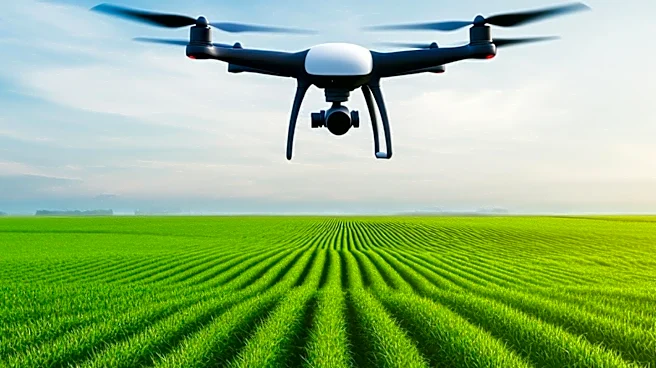
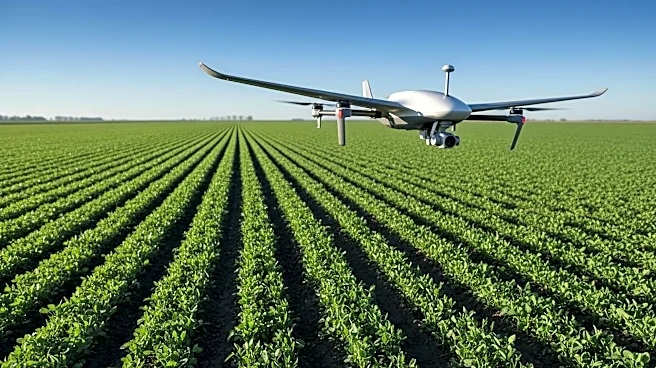
As AI technology continues to evolve, its application in agriculture is expected to expand further. Future developments may include more sophisticated AI models that can predict weather patterns and their impact on crops, enabling farmers to plan and adapt their strategies accordingly. Additionally, the integration of AI with other technologies such as drones and IoT devices could provide even more comprehensive solutions for monitoring and managing agricultural activities. Stakeholders in the agricultural sector, including policymakers and technology developers, are likely to focus on creating supportive frameworks and infrastructure to facilitate the widespread adoption of AI-driven solutions.