




What's Happening?
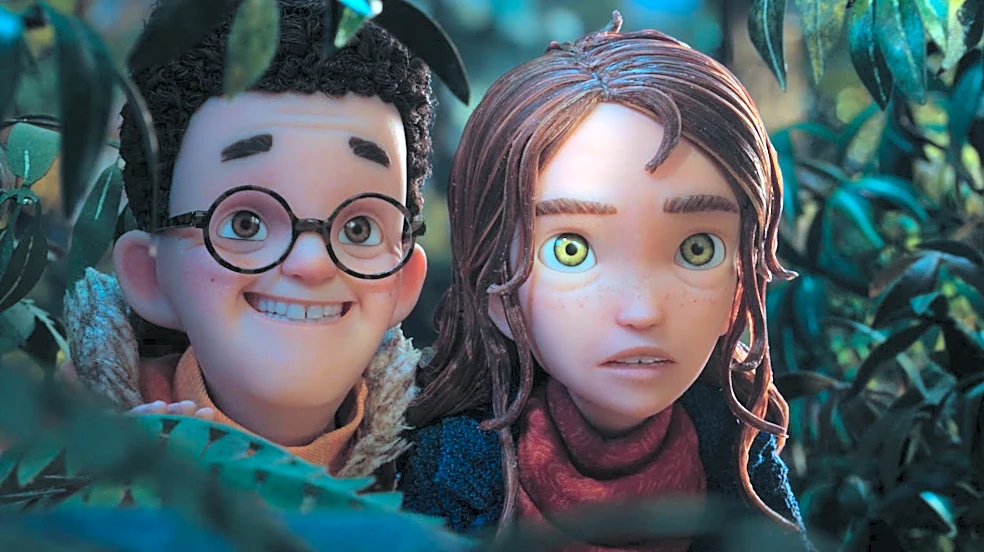
The animation industry is characterized by a wide array of techniques and applications, ranging from traditional stop-motion to modern digital forms. Stop-motion animation, exemplified by studios like Laika (known for films such as 'Coraline' and 'Kubo
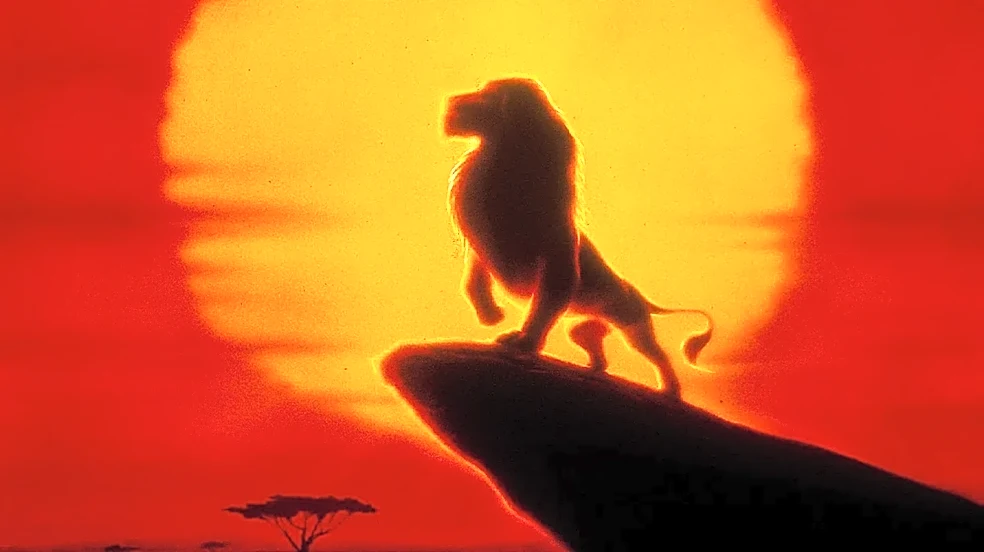
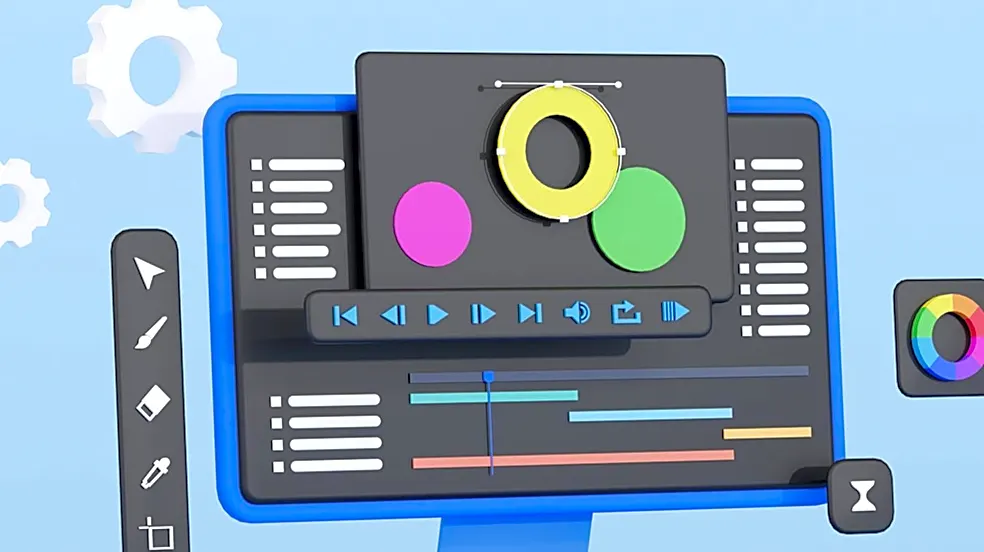
and the Two Strings'), creates the illusion of movement by incrementally photographing physical objects. This method is valued for its ability to capture physical presence, light, and texture on real objects. Beyond stop-motion, animation encompasses kinetic typography, product interfaces, and character scenes. Concurrently, a significant trend in the film industry involves studios, particularly Disney, remaking popular animated films into live-action versions. Examples include 'The Lion King,' 'Aladdin,' and 'Moana.' This practice often sparks debate among audiences and critics regarding whether these remakes enhance or detract from the original artistic vision.
Why It's Important?
The ongoing debate surrounding live-action remakes of animated classics highlights a significant trend in the entertainment industry, particularly for major studios like Disney. These remakes are often driven by the guaranteed financial success stemming from the original film's popularity, attracting audiences who are familiar with the stories. However, this strategy also raises questions about artistic integrity and originality. Critics argue that animation offers unique creative freedoms in character and world-building that live-action cannot replicate, potentially diminishing the original's artistic vision. Conversely, proponents suggest that modern CGI and filming capabilities can offer a new, engaging, and sometimes improved way to experience these stories. The success or failure of these remakes, such as the mixed reception for the live-action 'Moana,' directly impacts studio profitability and future production decisions, influencing the types of films audiences will see and the creative risks studios are willing to take.
What's Next?
The trend of live-action remakes is expected to continue, especially from studios with extensive catalogs of popular animated films like Disney. The financial incentives, driven by audience familiarity and nostalgia, will likely ensure a steady pipeline of such projects. However, the critical and audience reception of future remakes will be crucial. If films continue to receive mixed or negative reviews, as seen with 'Moana,' studios might face increasing pressure to innovate or reconsider their approach. This could lead to more creative adaptations that diverge significantly from the original animated versions, or a potential shift towards developing entirely new animated content. The ongoing technological advancements in CGI and animation techniques will also play a role, potentially enabling more sophisticated and visually compelling remakes, or fostering new forms of original animated storytelling that challenge the dominance of remakes.
Beyond the Headlines
The proliferation of live-action remakes touches upon deeper cultural and artistic implications. It reflects a broader societal engagement with nostalgia and the reinterpretation of beloved narratives across generations. For younger audiences, these remakes can serve as an introduction to classic stories, while for older viewers, they offer a chance to revisit childhood favorites through a new lens. However, this trend also raises questions about the value of originality versus adaptation in art. The debate over whether remakes 'ruin' or 'revive' originals speaks to differing philosophies on artistic preservation and evolution. Ethically, it prompts discussions about the commercialization of art and whether financial gain overshadows creative innovation. Culturally, the success of these remakes can influence storytelling conventions, potentially leading to a greater emphasis on pre-existing intellectual property rather than fostering new, original narratives in mainstream cinema.