



What's Happening?
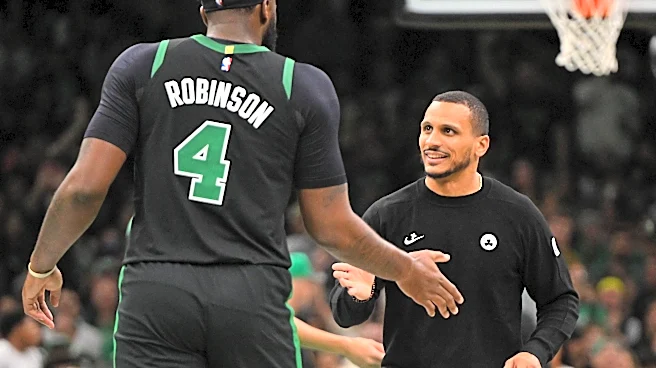
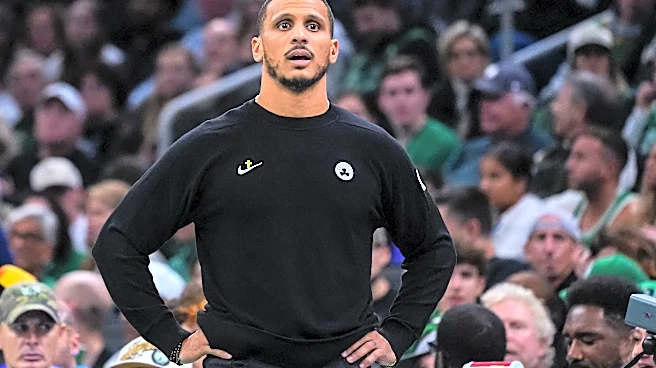
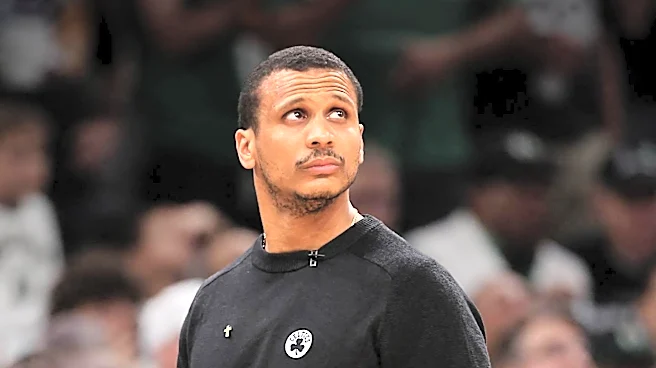
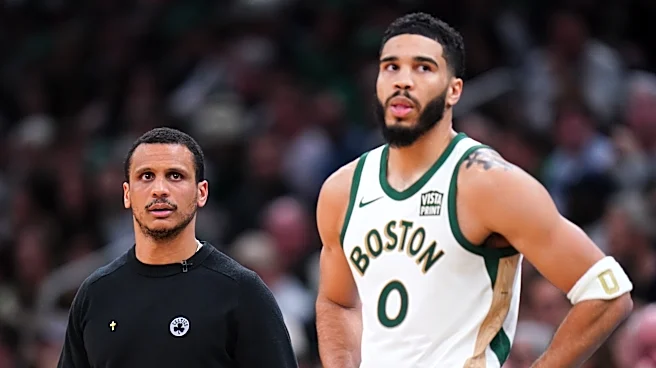
Boston Celtics head coach Joe Mazzulla has revealed his use of artificial intelligence, specifically Anthropic's AI tool Claude, to refine his coaching methods. Mazzulla employs AI to organize thoughts, improve efficiency, and gain deeper understanding
in various aspects of his role. He uses the AI for conversations and to explore complex issues, such as the psychological perspective of players and efficient verbalization of strategies. The AI assists him in testing the efficiency of established processes, including halftime film review and pre-game preparations, to ensure optimal player retention of game plans and mental readiness. This approach extends to comparing basketball strategy with other sports like soccer and handball to uncover new ideas and improve overall coaching effectiveness. Mazzulla's adoption of AI highlights a growing trend in professional sports, with estimates suggesting that a significant percentage of NFL teams already use AI in their weekly preparations.
Why It's Important?
The integration of AI into professional sports coaching, as demonstrated by Joe Mazzulla, signifies a significant shift in how teams approach strategy, player development, and game preparation. This trend could lead to a competitive advantage for teams that effectively leverage AI to analyze vast amounts of data and optimize their processes. For the U.S. sports industry, this means a potential increase in demand for AI tools and data scientists specializing in sports analytics. It also raises questions about the future role of human coaches, who may increasingly act as facilitators and interpreters of AI-generated insights rather than sole strategists. The emphasis on efficiency and data-driven decision-making could lead to more scientifically structured training regimens and game plans, potentially elevating the overall quality and strategic depth of professional basketball and other sports. Teams that fail to adapt to these technological advancements might find themselves at a disadvantage in recruitment, performance, and overall competitiveness.
What's Next?
The increasing adoption of AI in sports, as exemplified by Mazzulla, suggests a future where AI tools become standard in professional coaching. This could lead to further development of specialized AI platforms tailored for specific sports, offering more nuanced analysis and predictive capabilities. We might see more coaches openly discussing their use of AI, fostering a culture of technological integration across leagues. Regulatory bodies in sports may also need to establish guidelines for AI usage, similar to how MLB cracked down on generative AI use on dugout iPads, to ensure fair play and prevent potential misuse. The success of teams like the Celtics, who embrace such technology, could inspire other organizations to invest heavily in AI, leading to a broader transformation in how sports are played, coached, and analyzed at the professional level.
Beyond the Headlines
Mazzulla's use of AI extends beyond mere data analysis; it delves into the psychological and pedagogical aspects of coaching, aiming to optimize how players learn and retain information. This raises deeper implications about the intersection of technology and human performance, particularly in high-stakes environments. The ethical considerations of AI in sports, such as data privacy, algorithmic bias, and the potential for over-reliance on technology, will likely become more prominent. Furthermore, the comparison of basketball strategy with other sports through AI suggests a move towards a more interdisciplinary approach to sports science, breaking down traditional silos between different athletic disciplines. This could foster a new era of innovation where insights from one sport can be seamlessly applied to another, driven by advanced analytical tools and a holistic understanding of athletic performance.