
What's Happening?
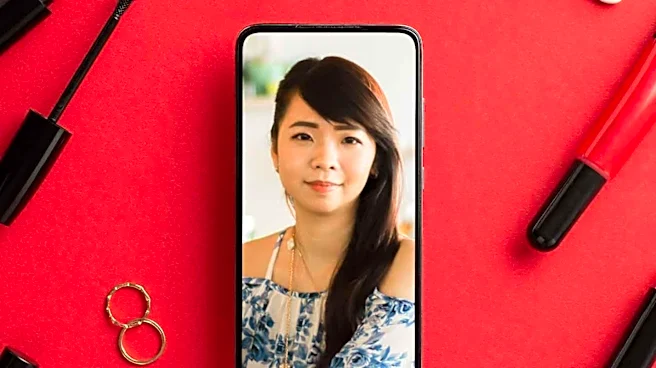
Becca Bloom, a prominent social media influencer known as the 'Queen of RichTok' for her displays of lavish wealth, is facing scrutiny over the authenticity of her extravagant lifestyle. A 'de-influencer'
named @daadisnacks (Jay) initiated a public discussion questioning the billionaire mythology surrounding Bloom, particularly after a viral TikTok video showed her accompanying her father to view a private jet. The video, which suggested the jet was an anniversary gift for her mother, raised suspicions among netizens. Details such as the presence of a Flexjet logo, a company specializing in fractional jet ownership and rentals, and Bloom's mention of customizing a Gulfstream G650ER, a model no longer in production, fueled doubts. While many do not dispute Bloom's wealth, the debate centers on whether she exaggerates her financial status for social media content.
Why It's Important?
This situation highlights the growing skepticism surrounding the curated realities presented by social media influencers, particularly within the 'RichTok' niche. The questioning of Becca Bloom's wealth underscores a broader public concern about the authenticity of online personas and the potential for influencers to mislead their audiences regarding their financial status. This trend can impact the credibility of influencer marketing and the trust consumers place in online content creators. For the social media industry, it signals a potential shift towards greater demand for transparency and accountability from influencers. It also reflects a societal discussion about wealth display, consumerism, and the pressures on individuals to maintain a certain image online, potentially influencing how brands choose to collaborate with influencers and how platforms regulate content.
What's Next?
The ongoing debate around Becca Bloom's wealth is likely to continue, with increased scrutiny from both 'de-influencers' and the general public. This could lead to more detailed investigations into the financial backgrounds of other 'RichTok' influencers, potentially exposing further discrepancies between online portrayals and reality. Social media platforms might face pressure to implement stricter guidelines regarding the verification of claims made by influencers, especially concerning luxury goods and services. For Bloom herself, she may choose to address the allegations directly, provide further evidence of her family's wealth, or pivot her content strategy to focus less on overt displays of luxury. The incident could also inspire more content creators to challenge and deconstruct the often-unrealistic narratives prevalent on platforms like TikTok.
Beyond the Headlines
The controversy surrounding Becca Bloom delves into deeper societal implications regarding the perception of wealth, the ethics of online influence, and the psychological impact of aspirational content. The 'RichTok' phenomenon, where individuals showcase extreme affluence, can create unrealistic expectations and feelings of inadequacy among viewers. This incident prompts a re-evaluation of the value placed on material possessions and the performative nature of wealth in the digital age. It also touches upon the blurred lines between entertainment and reality, and the responsibility of content creators to be truthful with their audience. The public's reaction suggests a growing fatigue with perceived inauthenticity online, potentially fostering a demand for more relatable and transparent content, and a critical examination of the narratives that shape online culture.