








What's Happening?
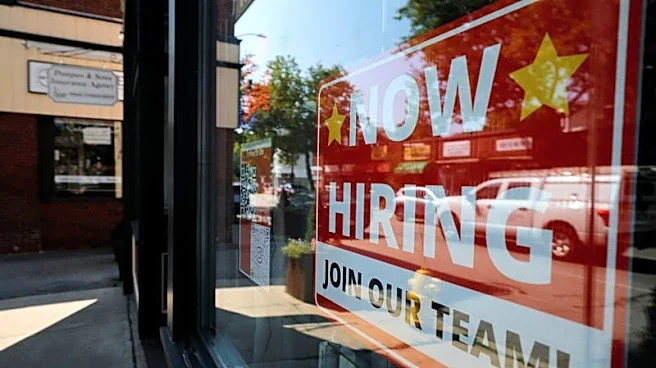
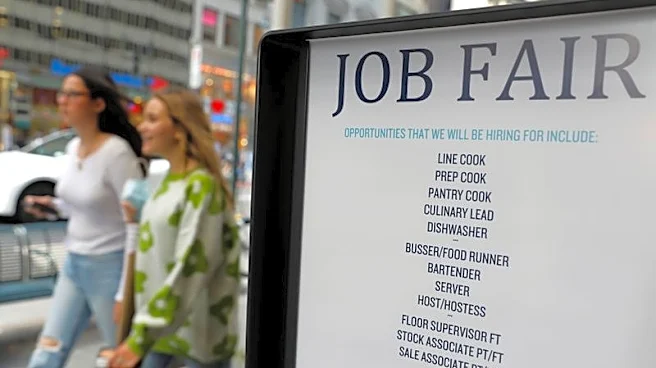
The U.S. economy added 57,000 jobs in June, a significant slowdown from previous months, as reported by the Bureau of Labor Statistics. The unemployment rate fell to 4.2%, but this was largely due to a decrease in labor force participation, which dropped
to 61.5%. Professional and business services saw the most significant job gains, while leisure and hospitality experienced a notable decline. The report also highlighted downward revisions for April and May job numbers, indicating a weaker labor market than previously thought.
Why It's Important?
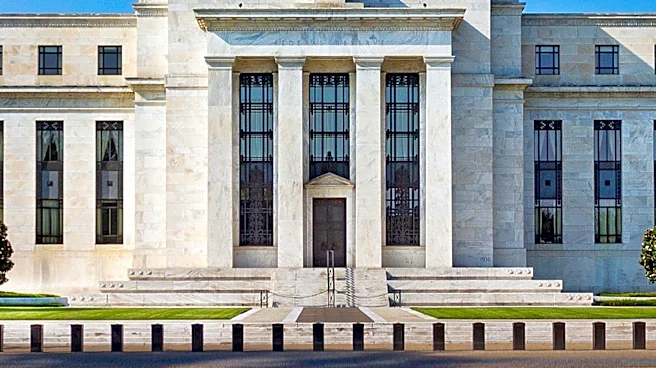
The slowdown in job creation suggests that the U.S. labor market is facing challenges despite recent signs of strength. This development could influence Federal Reserve decisions on interest rates, as the current job growth pace may not warrant immediate rate hikes. The decline in labor force participation and the uneven distribution of job gains across sectors highlight underlying economic vulnerabilities. These factors could impact consumer spending and overall economic growth, affecting businesses and policymakers' strategies.
What's Next?
The Federal Reserve is likely to maintain its current interest rate policy, given the mixed signals from the labor market. Future job reports will be crucial in determining the Fed's approach to monetary policy. Employers may remain cautious in hiring, particularly in sectors affected by economic uncertainties. The labor market's recovery will depend on factors such as inflation control, consumer confidence, and potential policy interventions to boost workforce participation.