

What's Happening?
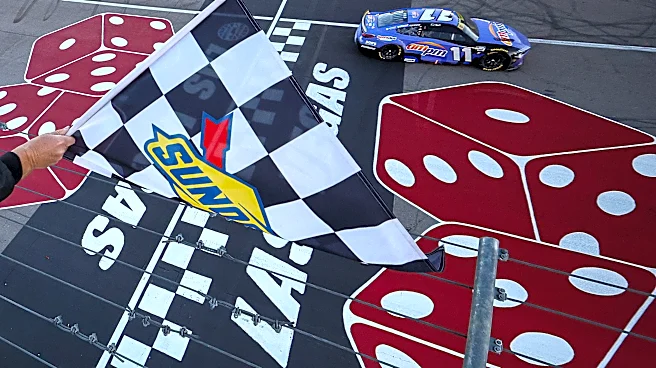
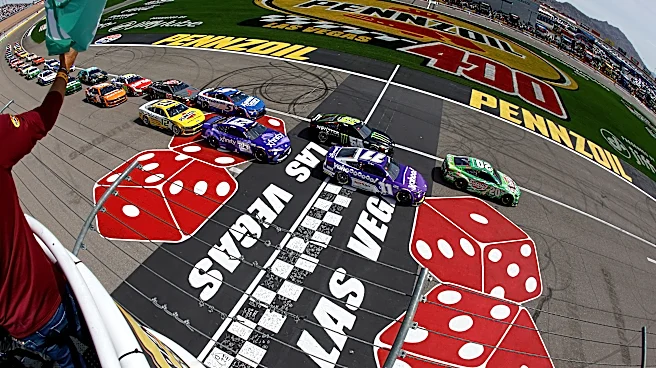
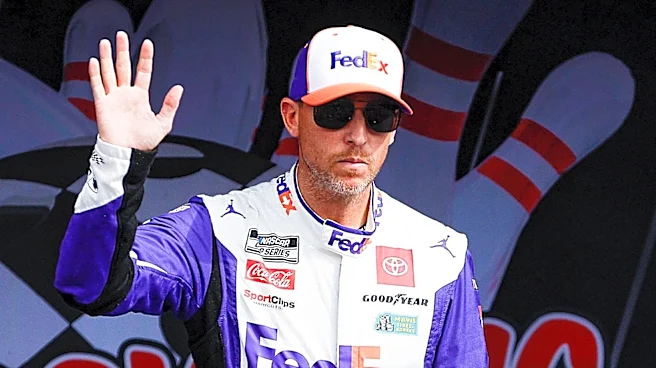
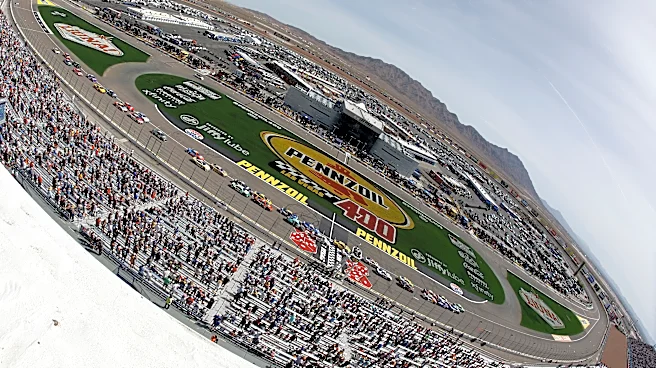
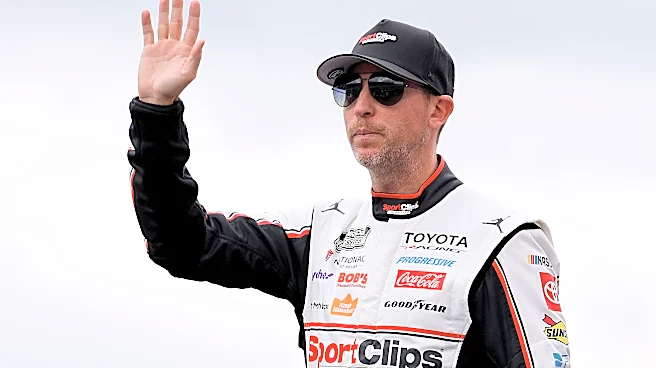
Denny Hamlin experienced a significant setback in his NASCAR Cup Series championship bid during Sunday's race at Las Vegas Motor Speedway. Despite starting from the pole position with a fast car, Hamlin's race unraveled after a spin late in Stage 1. This
incident caused damage to his No. 11 Toyota and cost him crucial track position and potential stage points. He finished 17th, scoring zero stage points, while his main championship rival, Kyle Larson, recovered from his own difficulties to finish second. The spin occurred while Hamlin was running fourth, and NASCAR did not call a caution, forcing him to finish the stage in 28th. The damage from the spin further hampered his performance, leading him to describe the car as "[expletive] awful." He also lost power during a final stage restart, dropping 13 positions and getting stuck in traffic. Crew chief Chris Gayle acknowledged the situation as a "reality check," shifting the team's objective from winning to salvaging what they could from the race.
Why It's Important?
This event is important for the NASCAR Cup Series championship landscape, as it significantly widens the points gap between Denny Hamlin and Kyle Larson. Hamlin's 17th-place finish and zero stage points, contrasted with Larson's second-place recovery, means Hamlin now trails Larson by 40 points with only five races remaining in the season. This missed opportunity in Las Vegas could prove critical in the tight championship battle, as every point becomes increasingly valuable. For Hamlin and his team, it represents a major blow to their momentum and strategy, forcing them to re-evaluate their approach for the remaining races. The incident highlights the high stakes and unpredictable nature of NASCAR racing, where a single misstep or mechanical issue can drastically alter championship prospects, impacting team morale, sponsor relations, and future performance expectations.
What's Next?
Following the disappointing result in Las Vegas, Denny Hamlin and his No. 11 team will shift their focus to the upcoming race in Charlotte. Hamlin expressed confidence in the team's prospects for Charlotte, stating, "Charlotte will be good for us." The team's immediate goal will be to rebound from this setback and find a way to win, as Hamlin acknowledged there's "nothing you can do now post-race so you just have to go on to the next race." The pressure will be on Hamlin to perform exceptionally well in the remaining five races to close the 40-point gap to Kyle Larson. This will likely involve aggressive strategies and flawless execution from both Hamlin and his pit crew. The performance in Charlotte will be a crucial indicator of their ability to contend for the championship in the final stretch of the season.
Beyond the Headlines
The outcome of the Las Vegas race for Denny Hamlin extends beyond just points and standings; it delves into the psychological resilience required in high-stakes professional sports. The contrast between Hamlin's unraveling race and Larson's remarkable recovery underscores the mental fortitude and adaptability that define championship contenders. For Hamlin, this event could serve as a pivotal moment, either galvanizing his team to overcome adversity or creating a lingering doubt that impacts future performances. It also highlights the intricate balance between driver skill, car performance, and race strategy, where external factors like uncalled cautions can have disproportionate effects. The incident will likely be analyzed by competitors and fans alike, shaping narratives around the championship and influencing perceptions of both drivers' capabilities under pressure. The long-term implications could affect team dynamics, sponsorship deals, and the overall competitive landscape of NASCAR.