






What's Happening?
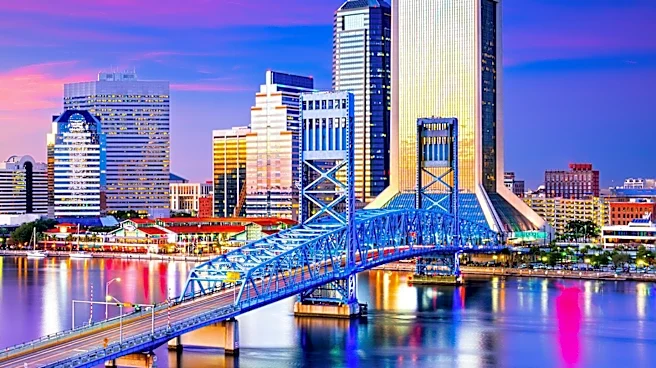
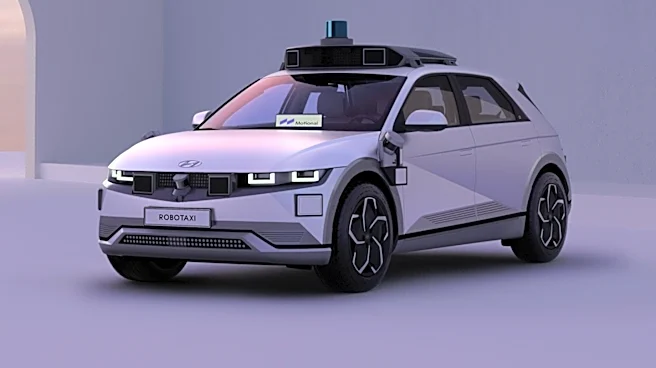
Tesla has indicated that its Robotaxi service is 'coming soon' to Jacksonville, Florida, adding the city to a list that also includes Las Vegas, Phoenix, and San Antonio. This announcement, made via Tesla's Robotaxi account on October 21, signals the company's
interest in expanding into Jacksonville, although no specific launch date or operational details have been provided. According to News4JAX, this development coincides with the Jacksonville Transportation Authority's (JTA) decision to pause its existing autonomous shuttle service, NAVI, on January 1, 2027. The JTA's service will revert to manual operation due to the expiration of its software contract, a move expected to save approximately $487,000 per month. Jacksonville City Council member Rory Diamond has been a vocal proponent of introducing privately operated driverless taxis, including those from Waymo and Tesla, into the city.
Why It's Important?
The potential introduction of Tesla Robotaxis could significantly alter Jacksonville's transportation landscape. Council member Rory Diamond has argued that privately operated services could be more cost-effective than the current NAVI system, which he stated cost the city $360 per ride. Furthermore, Diamond suggests that robotaxis could enhance road safety. However, transportation safety analysts caution that any deployment should be supported by robust safety evidence and clear accountability mechanisms in case of incidents. The shift from a publicly funded autonomous shuttle to potentially privately operated robotaxis reflects a broader trend in urban mobility, where cities explore various models for integrating autonomous vehicle technology. This transition could impact local employment in the transportation sector and influence public perception of autonomous driving.
What's Next?
Despite Tesla's 'coming soon' notice, there is no confirmed timeline for the start of Robotaxi services in Jacksonville, nor has the city officially approved such a service. News4JAX is currently seeking comments from Council member Diamond and the JTA for further updates. The next steps will likely involve legislative efforts, as Diamond previously stated his intention to introduce legislation to facilitate the operation of autonomous robotaxis on Jacksonville roads. Regulatory frameworks will need to be established to address safety concerns, operational guidelines, and liability. The success and timeline of Tesla's deployment will depend on these regulatory developments, public acceptance, and the company's own operational readiness. The pause of JTA's NAVI service creates a potential vacuum that private robotaxi services might aim to fill.
Beyond the Headlines
The arrival of robotaxi services in cities like Jacksonville raises profound questions about the future of urban infrastructure, employment, and accessibility. Beyond the immediate economic and safety considerations, there are ethical and legal implications regarding autonomous decision-making in traffic, data privacy, and the equitable distribution of transportation benefits. The transition to autonomous vehicles could reshape urban planning, reduce the need for parking, and potentially decrease traffic congestion, but it also poses challenges for traditional public transit systems and taxi industries. The debate over public versus private autonomous transportation services highlights differing philosophies on how best to leverage technology for societal benefit, balancing innovation with public welfare and regulatory oversight.