






What's Happening?
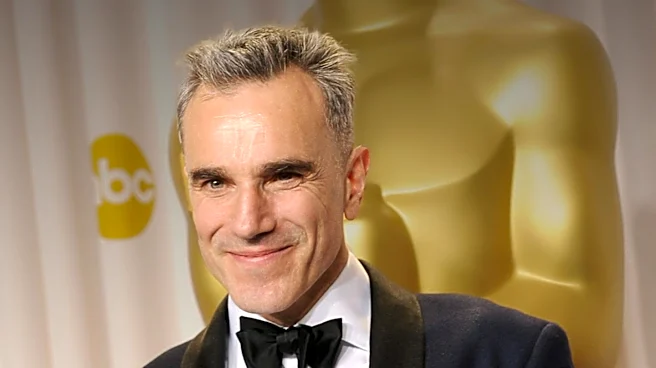
Daniel Day-Lewis received his third Academy Award for Best Actor for his immersive performance as Abraham Lincoln in Steven Spielberg’s 2012 biographical drama, 'Lincoln.' The film focuses on the final four months of Lincoln’s life, specifically detailing
the political efforts to pass the 13th Amendment, which abolished slavery. Day-Lewis undertook extensive physical and vocal transformations for the role, studying Lincoln’s mannerisms, gait, and voice to deliver a performance widely acclaimed as one of the greatest in cinematic history. The movie deviates from a traditional biopic structure, concentrating on the legislative battle within the White House and Congress rather than a broad historical overview. This approach frames the narrative as a political thriller, highlighting the complex maneuvering and ethical compromises involved in achieving the amendment's passage. The film also features a strong supporting cast, including Liam Neeson as Ulysses S. Grant, Tommy Lee Jones as Thaddeus Stevens, and Sally Field as Mary Todd Lincoln, all contributing to the intricate portrayal of the era's political landscape.
Why It's Important?
Daniel Day-Lewis's performance in 'Lincoln' is significant for its profound impact on how historical figures can be portrayed in cinema, setting a high bar for method acting and historical accuracy. His dedication to embodying Lincoln offers audiences a deeply humanized and complex view of a pivotal U.S. president, moving beyond simplistic historical narratives. The film itself is important for its detailed depiction of the legislative process during a critical period in U.S. history, illustrating the political machinations, compromises, and sheer will required to enact monumental change like the 13th Amendment. This provides valuable insight into the functioning of American democracy and the challenges of governance during times of national crisis. The critical acclaim and numerous awards, including Day-Lewis's third Oscar, underscore the film's artistic merit and its contribution to cinematic storytelling, reinforcing the power of film to educate and engage with historical events.
What's Next?
While Daniel Day-Lewis has since retired from acting, his performance in 'Lincoln' continues to be a benchmark for actors portraying historical figures. The film itself remains a significant work in American cinema, frequently revisited for its historical insights and artistic achievements. Its focus on the legislative process and the complexities of political leadership during the Civil War era ensures its continued relevance in discussions about U.S. history and governance. Future historical dramas may draw inspiration from the film's meticulous approach to character development and narrative focus. The legacy of Day-Lewis's portrayal will likely influence how future generations of actors approach roles requiring deep immersion and transformation, further solidifying his place as one of the most respected actors in film history.
Beyond the Headlines
Beyond its immediate critical success, 'Lincoln' and Daniel Day-Lewis's performance delve into deeper implications regarding the nature of leadership, morality, and political pragmatism. The film challenges the idealized image of Abraham Lincoln, presenting him as a shrewd, sometimes ruthless, pragmatist willing to engage in ethically ambiguous political tactics to achieve a greater moral good—the abolition of slavery. This nuanced portrayal encourages viewers to consider the complexities of historical decision-making and the often-messy reality of political progress. It highlights the ethical dilemmas faced by leaders who must balance ideals with practical necessities. Furthermore, Day-Lewis's immersive acting style raises questions about the boundaries between actor and character, and the psychological toll such dedication can take. The film serves as a powerful reminder that monumental societal changes are often the result of intense political struggle and personal sacrifice, rather than inevitable historical tides.