








What's Happening?
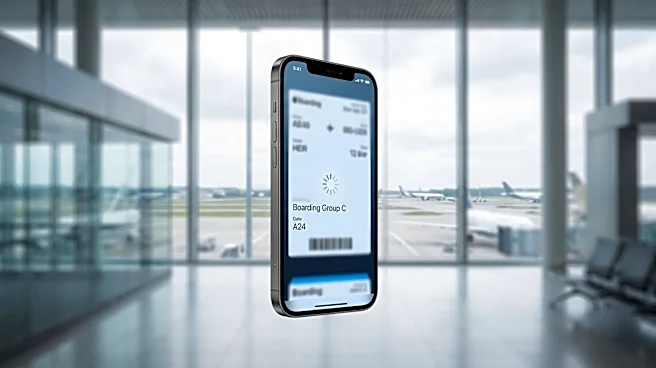
The travel industry is facing increasing challenges due to travelers' growing reliance on smartphones for all aspects of their journeys, from boarding passes to payment tools. According to Richard Trinder, senior director of strategic partnerships at Holafly,
and Dan Marcec, intelligence editor at Skift, a connectivity failure can disrupt an entire trip, affecting airlines, hotels, and booking platforms. Travelers now expect seamless digital experiences, and any interruption in connectivity, especially during international border crossings or with unreliable airport Wi-Fi, can lead to significant frustration. The issue highlights a critical need for travel companies to collaborate and integrate connectivity solutions into their services, rather than treating it as an afterthought. Trinder emphasized that no single travel provider fully controls the end-to-end customer journey, making partnerships essential to ensure a consistent and reliable experience.
Why It's Important?
The increasing dependence on smartphones for travel has transformed connectivity from a luxury to a basic expectation, akin to clean water or air conditioning in a hotel. When connectivity fails, it can severely impact customer satisfaction, brand perception, and loyalty, potentially deterring repeat business. For business travelers, a lack of connectivity can turn a stressful situation into a crisis, affecting deadlines and communication. The problem extends beyond individual inconvenience, as hotels may lose contact with arriving guests, and ride-hailing services can fail to connect passengers with drivers. This interconnectedness means that a connectivity breakdown, even if outside a company's direct control, can negatively reflect on all brands involved in a traveler's journey, underscoring the need for a unified approach to digital infrastructure in the travel sector.
What's Next?
Travel companies are urged to integrate connectivity directly into their booking processes and digital services, moving away from a reseller mentality. Holafly, for instance, aims to embed eSIM connectivity within partner apps and purchasing flows through APIs and SDKs. This proactive approach is crucial as the industry increasingly adopts AI-powered services, which also depend on reliable connectivity. Trinder anticipates that eSIM connectivity will become as commonplace as contactless payments and digital boarding passes within approximately two years. The focus will be on creating joint business plans among travel providers to establish shared objectives and responsibilities for connectivity, ensuring travelers have peace of mind and access to essential data, especially during unexpected disruptions. The goal is to make connectivity an invisible, seamless part of the travel experience.
Beyond the Headlines
The shift towards ubiquitous smartphone use in travel raises broader questions about digital equity and accessibility. While seamless connectivity is becoming an expectation for many, disparities in access and affordability could create a divide among travelers. Furthermore, the reliance on digital tools for critical travel functions, such as identity verification and payment, introduces new cybersecurity risks. A breach in one part of the interconnected travel ecosystem could have cascading effects, compromising personal data and disrupting travel for many. The industry's push for integrated connectivity also highlights a potential for increased data collection on traveler movements and preferences, raising privacy concerns that will need to be addressed as these technologies become more sophisticated and pervasive.