





What's Happening?
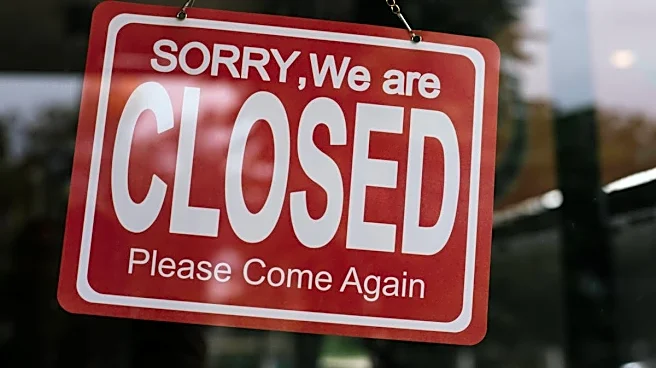
Baker's Main Street Furniture, a family-owned business in Garland, Texas, is closing its doors after 103 years. The closure is not attributed to the usual economic pressures such as tariffs, inflation, or delivery costs, which have affected many in the furniture
industry. Instead, owner David Baker is retiring, marking the end of a significant chapter for the company. Despite the closure, other furniture retailers like Bob's Discount Furniture and Gardner White are expanding into spaces left by closed competitors. The industry faces a slowdown, with companies like JB Hunt Transport Services reporting decreased demand for large items. A McKinsey & Co. report indicates that 47% of consumers plan to reduce spending on furniture, reflecting broader economic trends.
Why It's Important?
The closure of Baker's Main Street Furniture highlights the broader challenges facing the U.S. furniture industry. Economic factors such as inflation and tariffs are squeezing consumer spending, leading to a decline in demand for high-ticket items like furniture. This trend affects not only retailers but also supply chain companies and manufacturers. The industry's contraction could lead to job losses and reduced economic activity in regions dependent on furniture manufacturing and sales. However, the expansion of some retailers suggests a potential shift in market dynamics, where adaptable businesses may capture market share left by those exiting the industry.
What's Next?
As Baker's Main Street Furniture conducts its going-out-of-business sale, the industry will likely continue to see consolidation, with stronger players expanding their footprint. Retailers may need to innovate and adapt to changing consumer preferences, possibly focusing on e-commerce and cost-effective supply chain solutions. The economic pressures on consumers are expected to persist, influencing spending patterns and potentially leading to further closures or mergers within the industry. Stakeholders will be watching for signs of economic recovery or further downturns that could impact future business strategies.