




What's Happening?
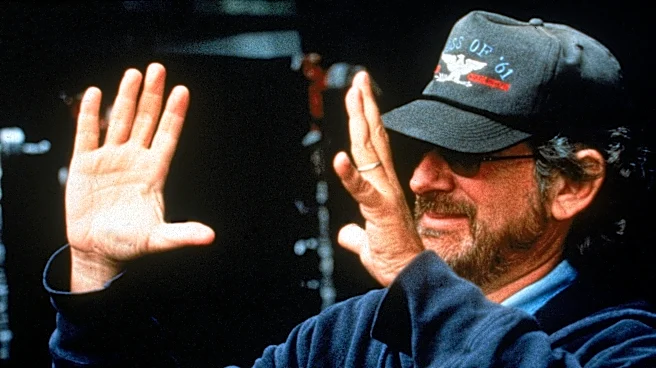
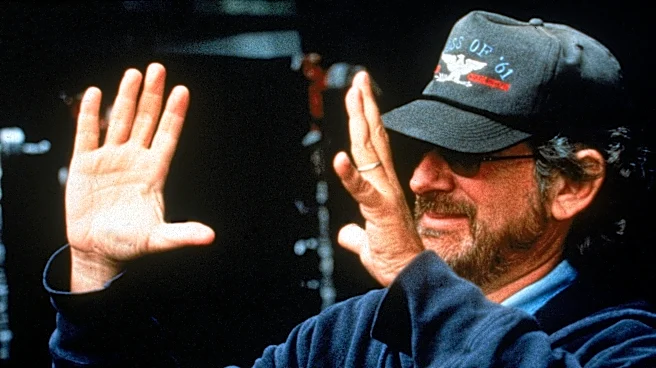
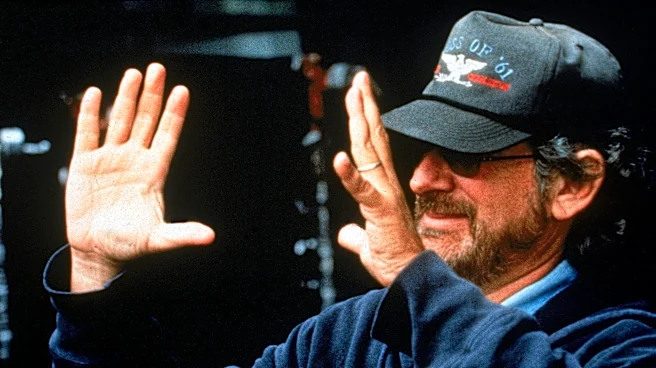
Renowned director Steven Spielberg is set to direct his first Western film, with production slated to begin early next year. This development was revealed in a recent Hollywood Reporter profile of cinematographer Janusz Kamiński, who will continue his three-decade
collaboration with Spielberg on this project. Kamiński shared that his visual inspiration for the film's landscapes draws from his childhood experiences in the Sudeten Mountains, which he described as having rolling hills reminiscent of Montana. Spielberg had previously hinted at making a Western earlier this year at SXSW, stating that the film would feature horses and guns but would avoid traditional tropes and stereotypes. Few other details about the film are currently known, and given the secretive nature of Spielberg's recent projects, further information may not be released for some time. His most recent film, 'Disclosure Day,' also maintained a high level of secrecy during its development and marketing phases.
Why It's Important?
The announcement of Steven Spielberg directing a Western marks a significant event in the film industry, as it represents a new genre exploration for one of Hollywood's most influential filmmakers. Spielberg's entry into the Western genre could revitalize interest in a category that has seen fluctuating popularity, potentially attracting a broader audience with his distinctive storytelling approach. His commitment to avoiding tropes and stereotypes suggests a fresh perspective on the genre, which could lead to innovative narrative techniques and character development. This move also highlights the enduring collaborative relationship between Spielberg and cinematographer Janusz Kamiński, a partnership that has consistently produced critically acclaimed and visually striking films. The success of this project could influence future trends in filmmaking, encouraging other prominent directors to explore different genres and challenge conventional storytelling methods.
What's Next?
With filming scheduled to commence early next year, the immediate next steps will involve pre-production activities, including casting announcements, location scouting, and further script development. Given Spielberg's reputation for secrecy, official details regarding the cast, specific plot points, and additional crew members are likely to be released gradually, if at all, before production is well underway. The film industry will be closely watching for any further information, as Spielberg's projects often generate significant buzz and anticipation. Following principal photography, the film will enter a post-production phase, which typically involves editing, visual effects, and sound design, leading up to its eventual release. The marketing campaign is also expected to be carefully managed, potentially mirroring the discreet strategies employed for his previous works.
Beyond the Headlines
Spielberg's decision to tackle a Western, a genre deeply rooted in American mythology and often associated with specific historical and cultural narratives, carries broader implications. His stated intention to avoid tropes and stereotypes suggests a critical engagement with the genre's past, potentially offering a more nuanced or revisionist interpretation of the American West. This could spark discussions about representation, historical accuracy, and the evolution of storytelling in cinema. Furthermore, Kamiński's inspiration from his European childhood for the film's landscapes hints at a cross-cultural perspective that might infuse the Western with unique visual aesthetics, moving beyond traditional American frontier imagery. This approach could challenge audience expectations and contribute to a re-evaluation of what a 'Western' film can be in the 21st century, potentially influencing future filmmakers to explore genre conventions with a more global and critical lens.