




What's Happening?
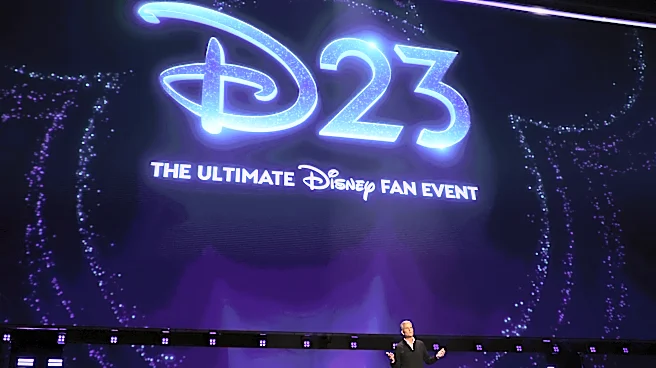
Under the leadership of new Disney CEO Josh D’Amaro, Disney is actively re-centering its efforts around fan feedback and guest experiences across its theme parks. This initiative involves listening to guest complaints and implementing improvements at various
levels, from discount rollouts to new ride developments and rule changes. Recent actions include Disneyland introducing a specific discount on multi-day tickets exclusively for travel agents and resellers, a move aimed at making savings more accessible to guests and empowering travel agents. Additionally, Disney World's Pirates of the Caribbean ride is scheduled for a prolonged closure in 2027 for maintenance and enhancements, with a specific decision not to incorporate a new projection face Audio-Animatronics figure that received mixed feedback at Disneyland. The company is also focusing on adding more playgrounds at both Disneyland and Disney World, emphasizing family-friendly experiences. These changes reflect a broader strategy to address guest concerns and enhance the overall park experience.
Why It's Important?
This shift in strategy by Disney, prioritizing fan feedback, is significant for several reasons. For consumers, particularly Disney park enthusiasts and vacation planners, it signals a more responsive and guest-centric approach, potentially leading to improved experiences and more accessible savings. The introduction of travel agent-exclusive discounts could empower a key segment of the travel industry, allowing them to offer competitive deals and strengthen their relationship with Disney. For Disney, this strategy aims to foster greater loyalty among its fan base, which is crucial for long-term business success in the competitive entertainment and tourism sectors. By addressing complaints and investing in ride maintenance and family amenities, Disney seeks to maintain its reputation as a premier vacation destination. The decision to forgo a specific technological update on the Pirates of the Caribbean ride based on guest feedback demonstrates a willingness to prioritize guest satisfaction over new technology for technology's sake, potentially setting a precedent for future park developments.
What's Next?
The newly announced discount for Disneyland multi-day tickets, available through travel agents and resellers, is set to go on sale on December 1, 2026, for travel between January 4 and May 27, 2027. This initiative will likely be closely monitored to assess its impact on ticket sales and guest satisfaction. The extensive closure of Disney World's Pirates of the Caribbean ride throughout most of 2027 will lead to temporary changes in park offerings, and guests can anticipate a refreshed attraction upon its reopening. Further announcements regarding new rides, rule changes, and additional family-friendly amenities are expected as Disney continues to implement its fan-centric strategy. The company will likely continue to engage with guest feedback channels, including online communities and direct surveys, to inform future decisions. The success of these initiatives could influence how Disney approaches development and guest relations in its other divisions.
Beyond the Headlines
The emphasis on fan feedback under CEO Josh D’Amaro highlights a broader trend in the entertainment industry where consumer engagement and satisfaction are becoming increasingly critical. This approach moves beyond traditional market research, directly integrating vocal fan communities into decision-making processes. Ethically, it raises questions about the balance between creative vision and consumer demand, and how much influence fan feedback should wield over artistic and operational choices. Legally, the distribution of exclusive discounts through travel agents could impact competitive dynamics within the travel industry, potentially favoring those with established relationships with Disney. Culturally, this shift could reinforce the idea that major corporations are more accountable to their most passionate consumers, potentially setting new expectations for transparency and responsiveness across various industries. The long-term implication could be a more dynamic and interactive relationship between entertainment providers and their audiences, where co-creation and direct feedback loops become standard practice.