






What's Happening?
Taiwan is experiencing a rapid expansion of data center infrastructure, driven by significant investments from major tech companies like Amazon Web Services (AWS), Google, Foxconn, and Nvidia. AWS has committed $5 billion over 15 years to build and maintain
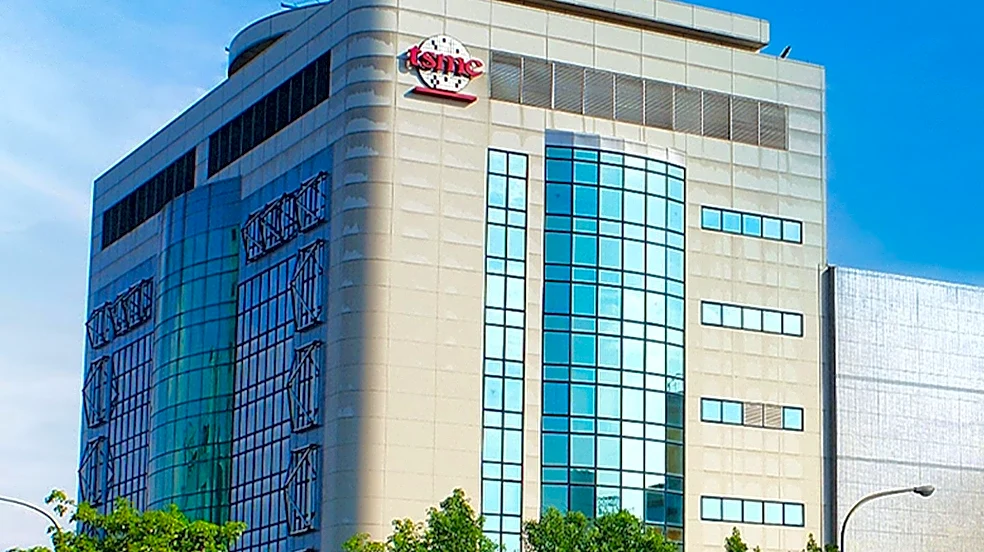
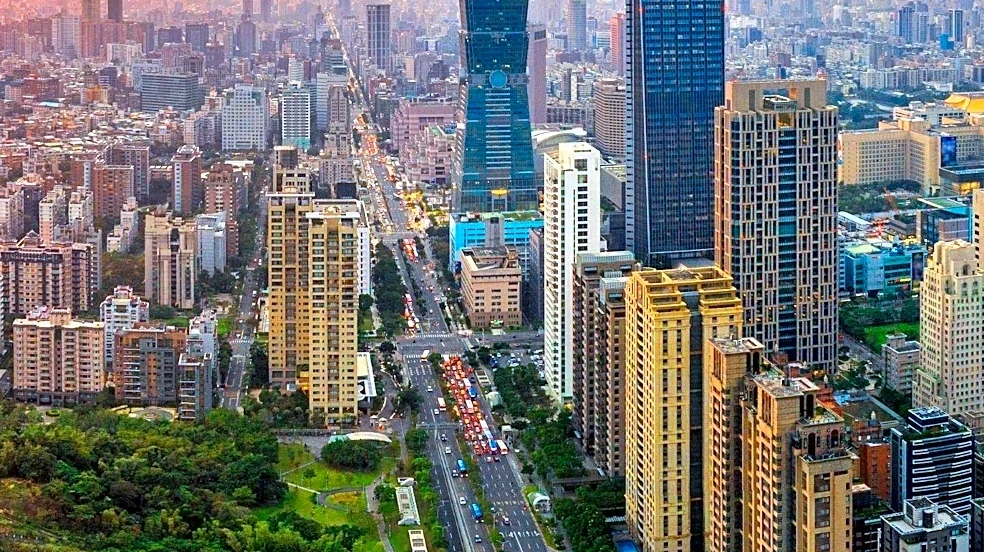
data centers, while Google operates a 60-megawatt campus and plans additional sites. Foxconn and Nvidia are constructing an AI Supercomputing Center, and other commercial projects are also underway. This surge in high-density computing capacity is placing considerable strain on Taiwan's limited freshwater and power resources. Unlike the U.S., which has a vast landmass and expansive regional transmission grids, Taiwan is a smaller island with its infrastructure concentrated along the western plain. Data centers there rely solely on the domestic power grid managed by Taiwan Power Co. (Taipower) and compete for water with a dense population and the established semiconductor industry. Policymakers, engineers, and utilities are grappling with whether existing environmental frameworks, water systems, and electrical infrastructure can accommodate these cumulative resource demands.
Why It's Important?
The rapid data center expansion in Taiwan is critical for the global digital economy, particularly for the U.S. tech industry, as Taiwan is a key player in AI hardware manufacturing and semiconductor production. However, the resource constraints pose significant risks. A lack of sufficient power or water could hinder the growth of these essential digital infrastructures, impacting global supply chains and the development of AI technologies. The competition for resources between data centers, the semiconductor industry, and the general population could lead to increased utility costs, potential water shortages, and power outages, affecting both industrial operations and daily life. This situation highlights the vulnerability of highly concentrated technological hubs to environmental and infrastructural limitations. For U.S. companies investing in Taiwan, these challenges could translate into operational delays, increased costs, and potential disruptions to their services, underscoring the need for sustainable development practices and robust infrastructure planning.
What's Next?
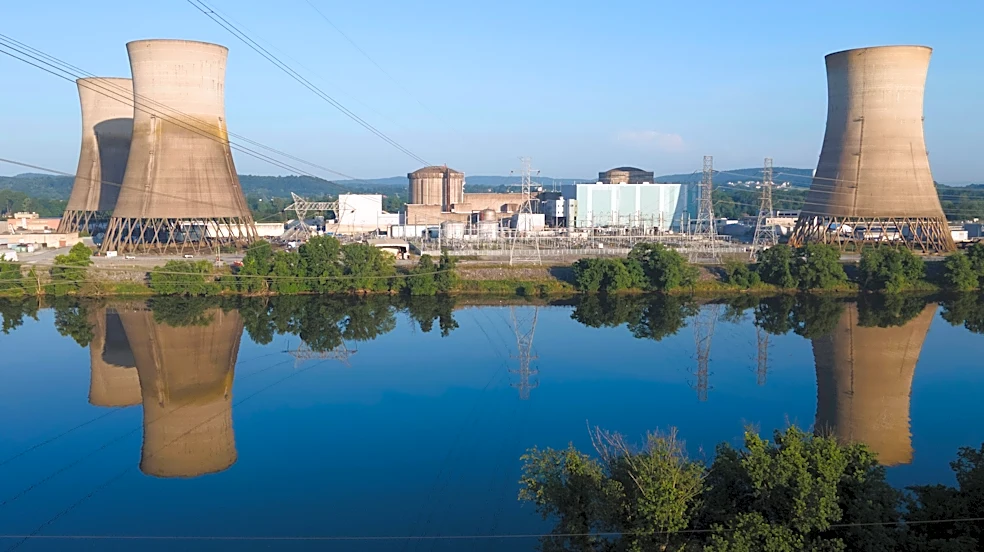
Taiwanese policymakers are expected to intensify efforts to address the resource challenges. This includes evaluating and potentially updating environmental frameworks, water management systems, and electrical infrastructure to support the growing demand. The Energy Administration forecasts a 2.5% annual growth in long-term electricity load through 2035, driven by semiconductors and AI data centers, and plans to commission 28 combined-cycle natural gas units and expand offshore wind capacity to meet this demand. Taipower is actively coordinating electricity dispatch with major semiconductor manufacturers to manage peak demand. Data centers may be encouraged or mandated to adopt more efficient cooling technologies and water recycling practices, drawing lessons from the semiconductor industry's 'fit-for-purpose' water strategy. There may also be regulatory changes, similar to those in New York State, to establish clear expectations around infrastructure, environmental protection, and community benefits early in the development process to minimize harmful impacts before the industry scales further. The government will need to specify megawatt growth assumptions for AI data centers versus advanced fabs to ensure national emissions targets are met.
Beyond the Headlines
The resource strain in Taiwan due to data center expansion reveals a deeper global challenge: the environmental footprint of the digital economy. The immense energy and water demands of AI and cloud computing infrastructure are often overlooked in discussions about technological advancement. This situation in Taiwan serves as a microcosm for other regions experiencing similar tech booms, highlighting the need for sustainable and resilient infrastructure planning worldwide. The competition for resources could exacerbate existing social inequalities, as industrial demands might take precedence over residential or agricultural needs. Furthermore, the reliance on a single domestic power grid and limited freshwater retention on an island nation like Taiwan introduces significant geopolitical vulnerabilities, as disruptions could have cascading effects on global technology markets. The ethical implications of prioritizing technological growth over environmental sustainability and equitable resource distribution will become increasingly prominent, prompting a reevaluation of how and where such energy-intensive industries are developed.