




What's Happening?
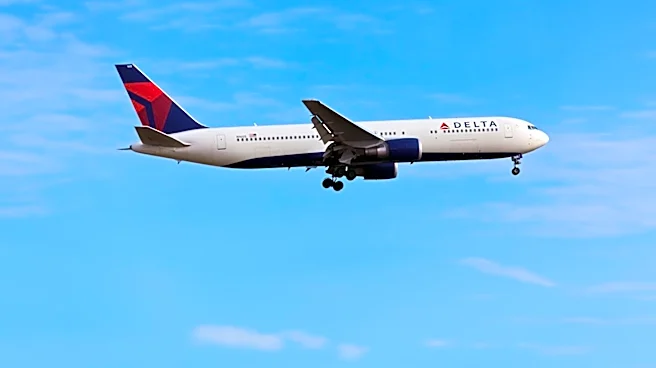
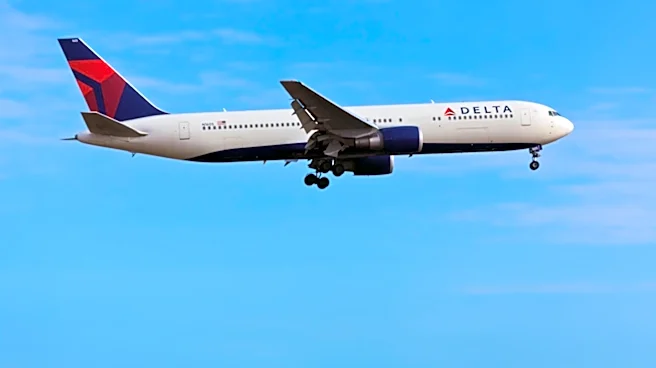
Delta Air Lines is set to terminate its nonstop service between New York's John F. Kennedy International Airport (JFK) and Washington Dulles International Airport (IAD) by February 10, 2027. This decision will eliminate the only direct link between these
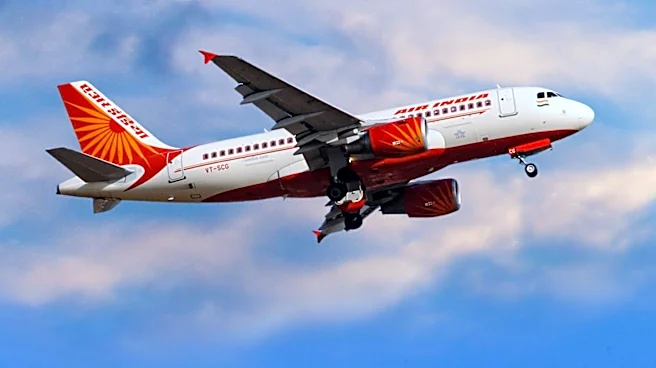
two airports, following similar service cuts by JetBlue in 2019 and United Airlines in 2014. While Delta is not withdrawing from Dulles entirely, and other airlines like United offer connections to the New York metropolitan area via Newark and LaGuardia, passengers specifically seeking to connect through Delta's JFK hub will lose this option. The route has been operational for over 30 years, and its discontinuation reflects a broader trend of airlines re-evaluating the profitability of certain routes, particularly those heavily reliant on connecting traffic rather than local demand.
Why It's Important?
The cessation of Delta's JFK-Dulles service highlights the ongoing strategic adjustments within the U.S. airline industry, particularly concerning hub optimization and route profitability. For travelers in the Washington D.C. area, this cut means fewer direct options for connecting through JFK, potentially increasing travel times or requiring alternative routing through other Delta hubs like Atlanta or Detroit. This move underscores airlines' focus on maximizing revenue from scarce airport slots and managing air traffic control congestion, especially at busy hubs like JFK. The decision suggests that the connecting traffic on this route was not generating sufficient yields to justify its continuation, a reason previously cited by United Airlines when it cut the same route. This could lead to a shift in passenger flow and potentially impact the competitive landscape for routes between the Washington D.C. and New York metropolitan areas.
What's Next?
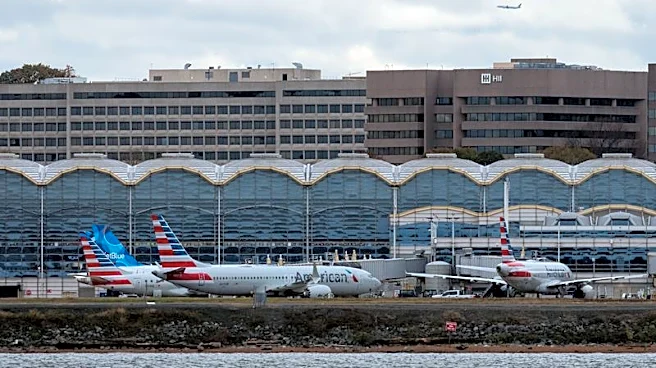
Delta will operate its final flight on the JFK-Dulles route on February 10, 2027. In the interim, passengers will continue to have access to the service. Following the cut, travelers from the Washington area looking to connect through JFK on Delta will need to utilize flights from Reagan National Airport (DCA) or connect through other Delta hubs. The decision may prompt other airlines to assess the viability of similar routes, although the historical pattern suggests that direct JFK-Dulles service has proven challenging for multiple carriers. The move also aligns with Delta's strategy of becoming more selective at JFK, focusing on routes that command higher premiums or cater to local traffic, especially given ongoing air traffic control congestion and slot restrictions.
Beyond the Headlines
This route cut reflects a deeper commercial reality in the airline industry: the balance between providing 'useful connections' for passengers and maintaining 'profitable' operations for the airline. While the route served as a convenient option for some, its reliance on connecting traffic that did not generate sufficient revenue ultimately led to its demise. This situation also highlights the evolving nature of airline networks, where carriers continuously prune less profitable routes to optimize their resources and focus on core markets or more lucrative connections. The decision by Delta, mirroring previous actions by United and JetBlue, suggests that the economics of this specific airport pair are inherently challenging, regardless of the airline operating it. It also points to the increasing pressure on airlines to make data-driven decisions about route profitability in a highly competitive and regulated environment.