
What's Happening?
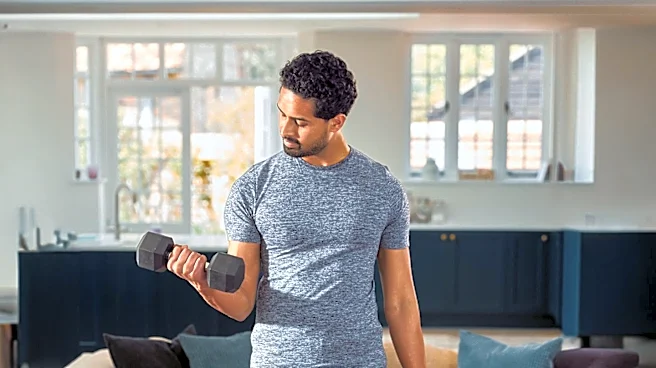
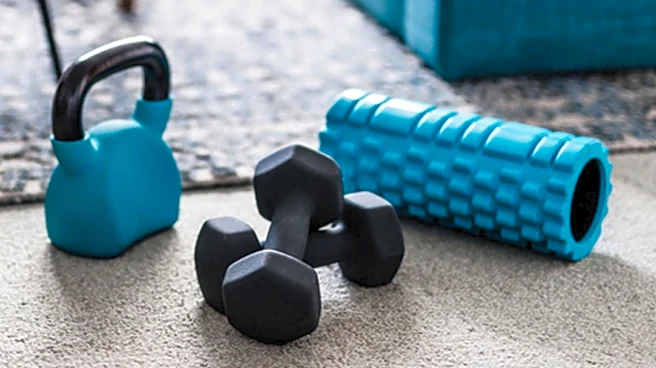
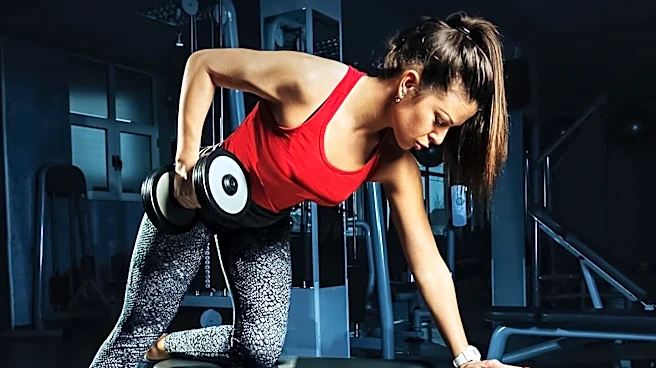
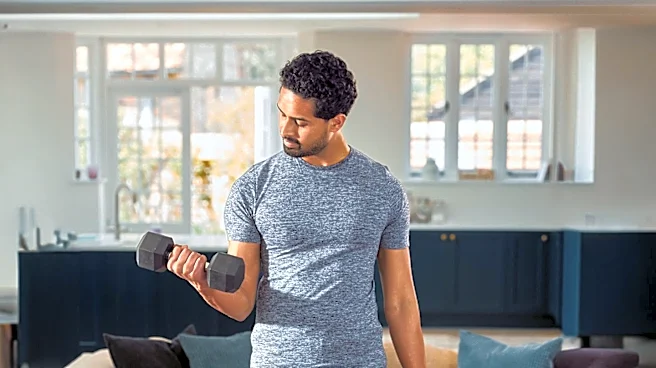
Individuals can achieve effective home workouts with minimal equipment, according to fitness sources. An adjustable bench and a few pairs of dumbbells are sufficient to target every major muscle group, facilitating exercises such as presses, rows, flyes,
split squats, step-ups, hip thrusts, and core work. Dumbbells are highlighted for their effectiveness in building muscle and strength, while a bench enhances various movements and improves form. For those without any equipment, bodyweight exercises remain a viable option. These include push-ups, squats, planks, and lunges. Specific exercises recommended for home routines with dumbbells and a bench include Romanian deadlifts, goblet squats, overhead presses, and chest presses. The suggested frequency for these workouts is two to four sessions per week, with a rotation of upper, lower, and whole-body routines, ensuring adequate rest days between sessions that target the same muscle groups.
Why It's Important?
The accessibility of effective home workouts with minimal equipment holds significant importance for public health and personal fitness. This approach democratizes fitness, removing common barriers such as gym membership costs, travel time, and the need for extensive space or specialized machinery. It empowers individuals to maintain consistent exercise routines regardless of external circumstances, such as busy schedules or limited access to commercial gyms. This flexibility can lead to improved adherence to fitness goals, contributing to better overall physical and mental health outcomes across a broader population. Furthermore, the emphasis on foundational exercises with dumbbells and bodyweight promotes functional strength and reduces the risk of injury often associated with more complex gym equipment, making fitness more sustainable for a wider demographic.
What's Next?
As awareness of effective minimal-equipment home workouts grows, it is likely that more individuals will adopt these routines, leading to a potential shift in fitness trends. The market for home fitness equipment, particularly dumbbells and adjustable benches, may see continued demand. Fitness content creators and app developers are also likely to expand their offerings to include more structured programs tailored to these minimal setups, providing guided workouts and progress tracking. This could further popularize home-based fitness, potentially influencing the design of residential spaces to better accommodate workout areas. Additionally, healthcare providers might increasingly recommend these accessible workout methods as part of preventative health strategies, encouraging more people to engage in regular physical activity without significant financial or logistical hurdles.
Beyond the Headlines
The trend towards effective home workouts with minimal equipment reflects a broader societal shift towards self-sufficiency and personalized well-being. This movement challenges the traditional gym-centric model of fitness, fostering a more adaptable and resilient approach to physical health. It also highlights the ingenuity in maximizing limited resources, promoting a mindset where fitness is not contingent on elaborate facilities but rather on consistent effort and smart exercise selection. Ethically, this accessibility can reduce health disparities by making fitness more attainable for individuals in diverse socioeconomic situations. Culturally, it reinforces the idea that health is a personal responsibility that can be managed effectively within one's own environment, potentially leading to a more health-conscious society that values practical and sustainable fitness solutions.