


What's Happening?
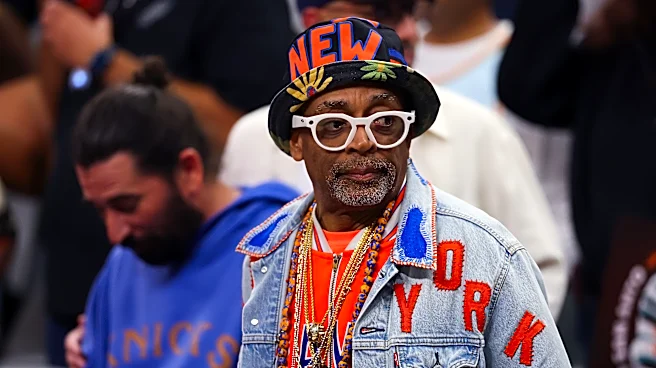
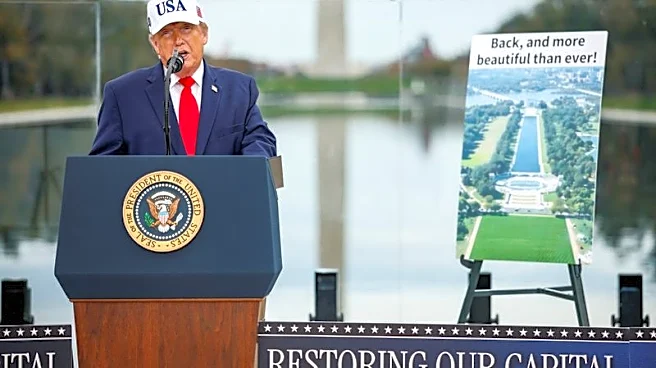
Filmmaker Spike Lee has publicly stated his hope that the New York Knicks will reject President Donald Trump’s invitation to celebrate their 2026 NBA championship at the White House. Lee, a long-time Knicks fan, believes that team owner James Dolan cannot
compel players to attend if they are uncomfortable with the visit. This sentiment was shared during an interview with Variety, where Lee also discussed internal disagreements within the Knicks organization. The team recently ended a 53-year championship drought by defeating the San Antonio Spurs in the NBA Finals. However, their historic win has been overshadowed by questions regarding the players' willingness to visit the White House. Dolan, who reportedly has a close relationship with President Trump, has accepted the invitation on behalf of the team, but some players have expressed reluctance. ESPN’s Stephen A. Smith also reported Dolan's displeasure with players who are hesitant to participate. Lee emphasized that players should not be forced to attend and cited examples of other NBA teams that have declined White House visits in the past.
Why It's Important?
This situation highlights the ongoing intersection of sports, politics, and individual athlete autonomy in the United States. The potential refusal of the New York Knicks to visit the White House, if it occurs, would follow a trend seen with other professional sports teams in recent years, signaling a continued willingness of athletes to use their platforms to express political or social stances. For the Knicks organization, it underscores potential internal divisions between ownership and players regarding political engagement. James Dolan's reported support for the visit and his friendship with President Trump contrast with the players' potential reluctance, which could create friction within the team. This scenario also brings into focus the broader debate about whether athletes should be obligated to participate in traditional celebratory events that carry political implications, especially when those events might conflict with their personal beliefs. The public stance of a prominent figure like Spike Lee further amplifies this discussion, potentially influencing public opinion and the players' decisions.
What's Next?
The immediate next step involves the New York Knicks players making a collective or individual decision regarding the White House invitation. While owner James Dolan has reportedly accepted the invitation, the players' ultimate participation remains uncertain. Their decision could lead to various reactions: if they decline, it might draw criticism from some political figures and fans, while garnering support from others who align with their stance. Conversely, if they accept, it could lead to criticism from those who oppose the current administration. The situation may also prompt further public statements from players, team management, or other prominent figures in sports and politics. The outcome could set a precedent for how future championship teams navigate similar invitations, especially in a politically charged environment. Additionally, the internal dynamics within the Knicks organization, particularly between Dolan and the players, will be closely watched for any lasting impact from this disagreement.
Beyond the Headlines
Beyond the immediate decision, this event touches upon deeper themes of athlete activism and the evolving role of sports figures in American society. The reluctance of some athletes to engage in traditional White House visits reflects a broader cultural shift where public figures, including athletes, are increasingly expected to take stances on social and political issues. This challenges the long-held notion that sports should remain separate from politics. The disagreement also highlights the power dynamics within professional sports organizations, particularly the tension between team ownership's preferences and players' individual rights and collective voice. It raises questions about the extent to which owners can or should dictate the political actions of their employees. Furthermore, the situation could contribute to the ongoing national conversation about unity and division, with sports often serving as a microcosm of broader societal trends. The outcome, regardless of the decision, will likely be interpreted through various political lenses, further entrenching the politicization of cultural institutions like professional sports.