


What's Happening?
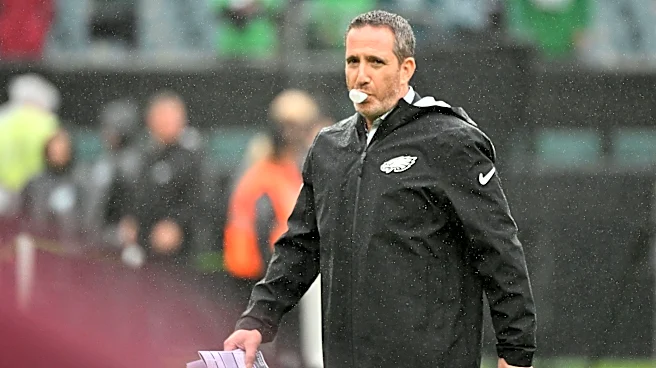
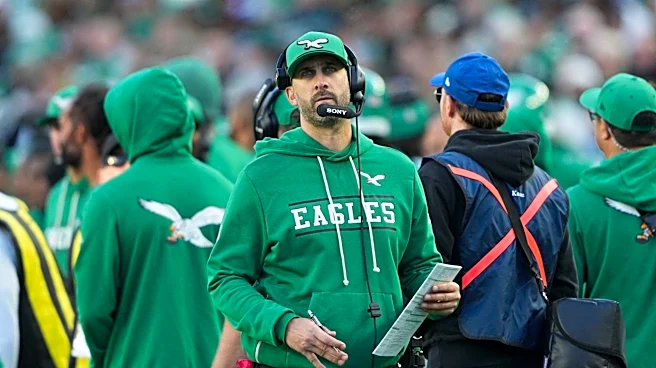
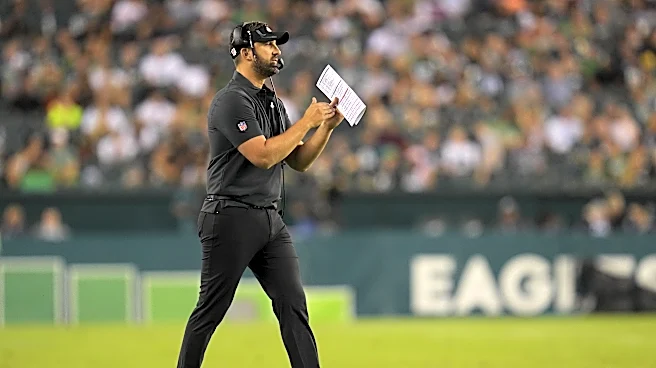
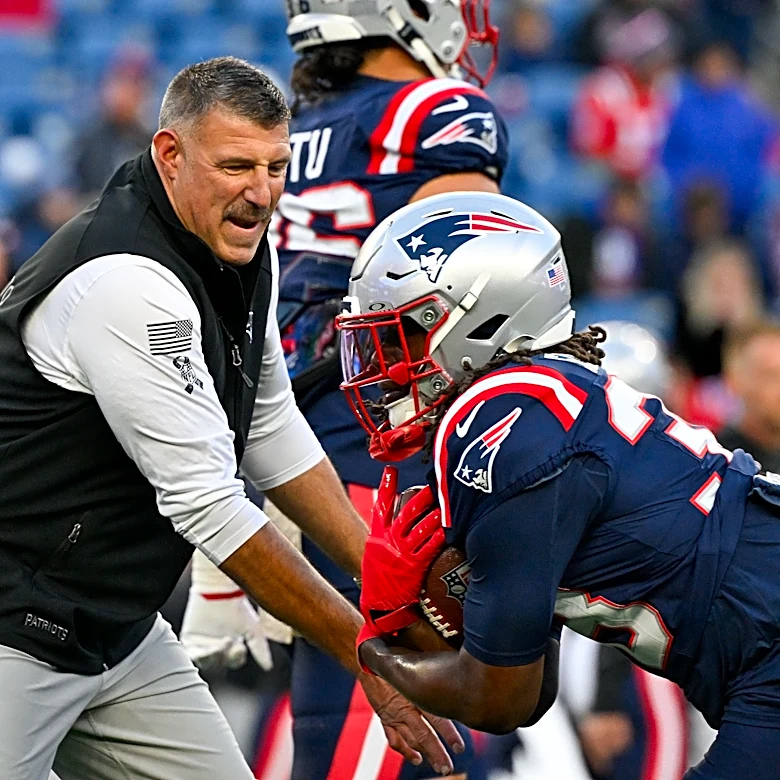
The Philadelphia Eagles' 2026 NFL trade deadline strategy is facing scrutiny despite General Manager Howie Roseman's aggressive moves. Roseman executed three major trades, sending A.J. Brown to the New England Patriots, Cam Jurgens to the Baltimore Ravens,
and Jordan Davis to the Jacksonville Jaguars. These transactions secured four additional premium draft picks—two first-round and two second-round picks—over the next two drafts, aiming for a future retooling. However, critics argue that Roseman may have missed opportunities to trade other veteran players like Dallas Goedert, Riq Woolen, and Landon Dickerson. With the team's current 2-7 record, some believe retaining these players, who are not considered long-term pieces, prevents younger, developmental players from gaining crucial experience. The decision to keep these veterans is seen by some as a mixed signal, with the team simultaneously looking to the future while holding onto players who might not be part of it.
Why It's Important?
This situation highlights a critical strategic dilemma for NFL teams: balancing immediate competitiveness with long-term rebuilding efforts. For the Eagles, the decision to retain certain veterans could impact their draft positioning for the 2027 NFL Draft, as winning more games might lead to a less favorable pick. The move also affects player development, as young draftees like Eli Stowers, Makai Lemon, Ty Robinson, and Jeremiah Trotter Jr. might not receive the extensive playing time needed to develop their skills. From a financial perspective, retaining players like Dickerson, whose performance has reportedly declined, could lead to future cap ramifications if their contracts no longer align with their on-field value. The Eagles' approach could influence how other NFL franchises manage their rosters during rebuilding phases, particularly regarding the trade-off between veteran presence and youth development.
What's Next?
The Eagles are expected to continue evaluating their roster, particularly regarding the roles of players like Dallas Goedert, Riq Woolen, and Landon Dickerson. The team's performance for the remainder of the 2026 season will likely dictate further strategic decisions. If the team continues its losing trajectory, it could reinforce the argument for trading more veterans to fully commit to a rebuild and secure higher draft capital. There is also speculation about potential coaching changes, with Vic Fangio possibly retiring and Jim Schwartz being a rumored replacement. A new coaching staff could lead to a re-evaluation of the current roster and potentially different personnel decisions, especially concerning players whose contracts are expiring or who might be better fits for a different scheme. The development of rookie players like Eli Stowers will be a key focus for the remainder of the season.
Beyond the Headlines
The Eagles' trade deadline strategy reflects a broader trend in professional sports where teams must navigate the complexities of competitive cycles. The challenge lies in identifying the optimal time to 'sell' veteran assets to maximize returns for future rebuilding, without completely alienating the fanbase or undermining team morale. The debate over retaining players like Goedert, Woolen, and Dickerson, despite their potential to fetch draft picks, touches on the intangible value of veteran leadership and experience, even in a losing season. This situation also underscores the pressure on general managers like Howie Roseman to make decisions that have both immediate and long-term consequences, often under intense public and media scrutiny. The outcome of this strategy will serve as a case study for other NFL teams contemplating similar rebuilding efforts.