



What's Happening?
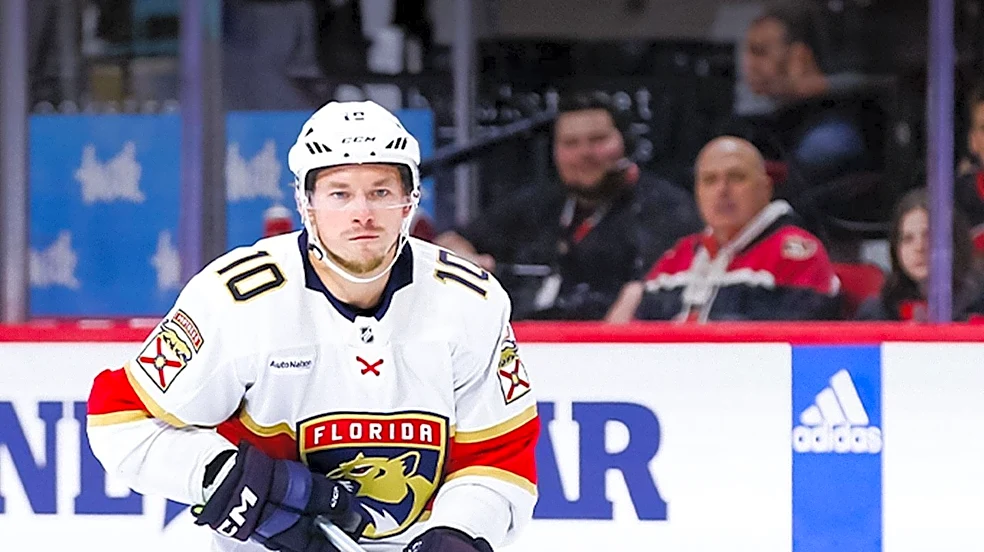
Florida Panthers winger Matthew Tkachuk and Ottawa Senators forward Nick Cousins have both been fined by the NHL for their actions during Wednesday's game between their respective teams. Tkachuk received a $5,000 fine for roughing Senators forward Dylan
Cozens. During the game, Tkachuk was assessed a two-minute minor for high-sticking in the second period and two roughing penalties in the third period, one involving Cozens and another with Senators forward Ridly Greig. Separately, Cousins was fined $4,091.49 for unsportsmanlike conduct towards an opponent while on the Ottawa bench. He also received a roughing minor and a 10-minute misconduct for his incident. Both fines represent the maximum allowable under the collective bargaining agreement. The game, which the Senators won 5-1, was notably charged, with the two teams accumulating a combined 84 penalty minutes.
Why It's Important?
These fines underscore the NHL's commitment to maintaining player safety and sportsmanship, even in highly emotional games. The maximum allowable fines for both players signal the league's disapproval of the incidents, reinforcing behavioral standards for professional athletes. For the Florida Panthers and Ottawa Senators, the fines could serve as a reminder to players about the consequences of aggressive play that crosses the line, potentially influencing future on-ice conduct. The high number of penalty minutes in the game also highlights the intensity and rivalry between these two teams, which could impact future matchups and fan engagement. Such incidents, while leading to disciplinary action, also contribute to the narrative and excitement surrounding professional hockey, drawing attention to the physical and emotional aspects of the sport.
What's Next?
The Florida Panthers and Ottawa Senators are scheduled to meet again on November 25 in Florida. Given the charged atmosphere and the disciplinary actions taken after their last encounter, the upcoming game is likely to be closely watched for any lingering tensions or retaliatory actions. Players will be under increased scrutiny from officials to ensure adherence to league rules, potentially leading to more penalties if similar incidents occur. The fines may prompt both teams to address player discipline internally to avoid further penalties and financial repercussions. The league will continue to monitor player conduct, and repeated offenses could lead to more severe penalties, such as suspensions, in the future. Fans and media will undoubtedly anticipate another intense matchup, adding to the rivalry's narrative.
Beyond the Headlines
The incidents and subsequent fines reflect the broader challenge in professional sports of balancing intense competition with maintaining decorum and player safety. The emotional nature of the game, particularly with the return of Brady Tkachuk to Ottawa, likely contributed to the heightened tensions. While the fines address specific infractions, they also highlight the psychological aspect of sports rivalries, where personal histories and team dynamics can spill over into physical confrontations. The collective bargaining agreement's provision for maximum fines demonstrates a structured approach to managing player conduct, aiming to deter actions that could harm the league's image or player well-being. This ongoing tension between competitive aggression and regulated conduct is a constant feature of professional hockey, shaping both on-ice action and league policy.