




What's Happening?
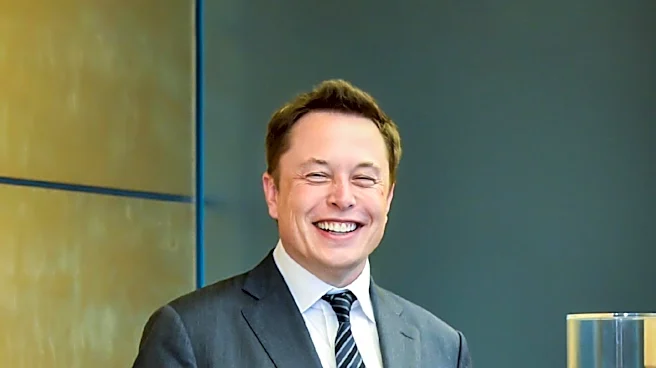
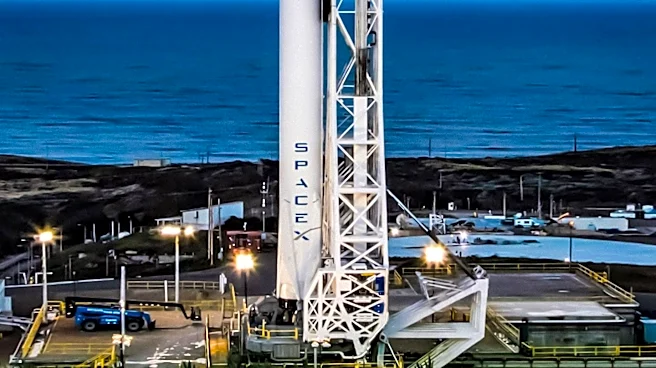
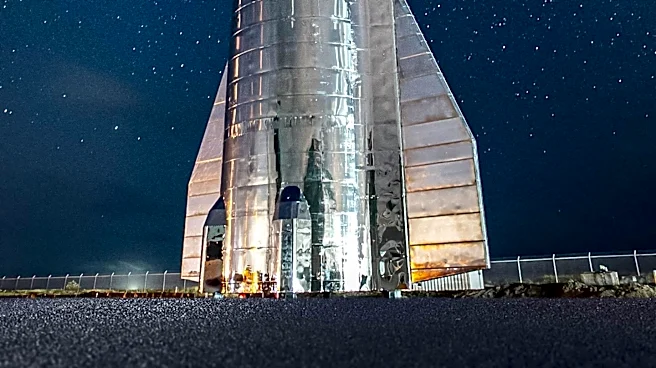
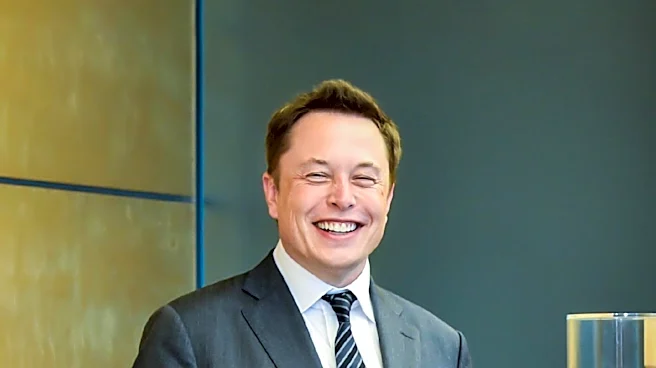
Elon Musk has set an ambitious target for SpaceX, forecasting an annualized revenue run rate exceeding $500 billion by December 2027. This projection was shared during the Baron Investment Conference on November 6, 2026. The company's growth is expected
to be fueled by its expanding artificial intelligence infrastructure business and the continued development of its Starlink connectivity services. SpaceX reported strong financial performance in Q3 2026, with $14.575 billion in revenue, marking approximately 161% year-over-year growth. This quarter saw significant contributions from its AI computing operations and Starlink. The company is also preparing to launch Nvidia-powered Starmind space computers, with initial deployments tentatively planned for Q3 2027. Musk clarified that the $500 billion figure represents a projected revenue run rate, not confirmed annual sales, and achieving it will require sustained demand, substantial infrastructure investment, and successful execution of expansion plans.
Why It's Important?
This aggressive revenue target signals SpaceX's significant pivot and expansion beyond its traditional launch and satellite internet services into the high-growth artificial intelligence sector. Achieving such a target would solidify SpaceX's position as a dominant player in both space technology and AI infrastructure, potentially reshaping the competitive landscape of the tech industry. The integration of AI computing into its orbital operations through Starmind satellites could create entirely new markets and applications, offering unprecedented processing capabilities in space. For the U.S. economy, this expansion could drive innovation, create high-tech jobs, and attract substantial investment in related fields. However, the sheer scale of the target also implies immense capital expenditure and operational challenges, including regulatory hurdles and the need for continuous technological advancements, which could impact its financial stability and investor confidence if not met.
What's Next?
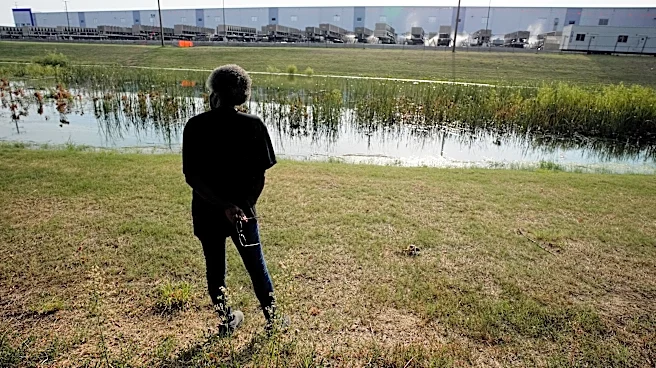
SpaceX's immediate next steps include the continued development and deployment of its Starmind space computers, with initial launches anticipated in Q3 2027. The company is also planning a significant expansion of its terrestrial computing infrastructure, including a proposed $24 billion gas-fired power plant and supercomputing facility in Starbase, Texas, awaiting regulatory approvals. Investors will closely monitor SpaceX's quarterly financial reports for signs of progress towards the $500 billion annualized revenue goal, particularly the revenue generated per watt of computing power. The success of Starmind and the broader AI infrastructure expansion will depend on sustained demand for AI services, effective management of capital expenditures, and the ability to overcome technical and regulatory challenges. The company's ability to convert its ambitious plans into reliable earnings and cash generation will be a key indicator of its long-term viability and impact on the U.S. technology and space sectors.
Beyond the Headlines
The convergence of space technology and artificial intelligence, as exemplified by SpaceX's Starmind project, has profound long-term implications. It could lead to a new era of space-based data processing, enabling real-time analytics and AI applications that are currently constrained by terrestrial infrastructure. This shift could also raise ethical and security concerns regarding the control and use of powerful AI systems in orbit. Furthermore, the massive energy requirements for such computing infrastructure, as evidenced by the proposed Starbase power plant, highlight the growing environmental footprint of advanced technology and the need for sustainable energy solutions. The ambitious nature of Musk's vision also underscores a broader trend of private companies driving innovation in areas traditionally dominated by government agencies, potentially accelerating technological progress but also concentrating power and influence in the hands of a few.