




What's Happening?
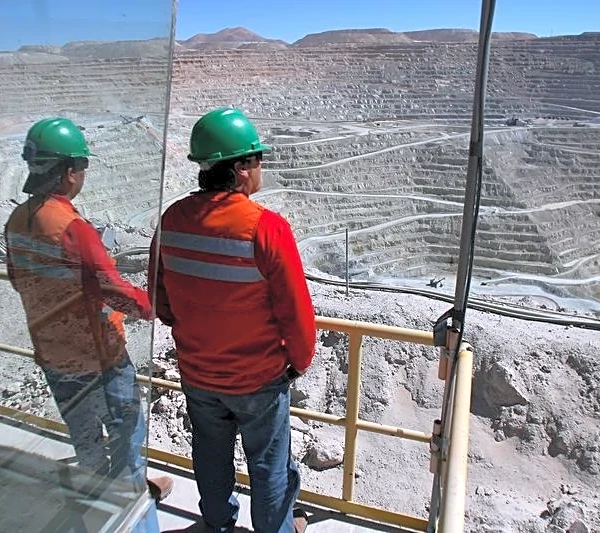
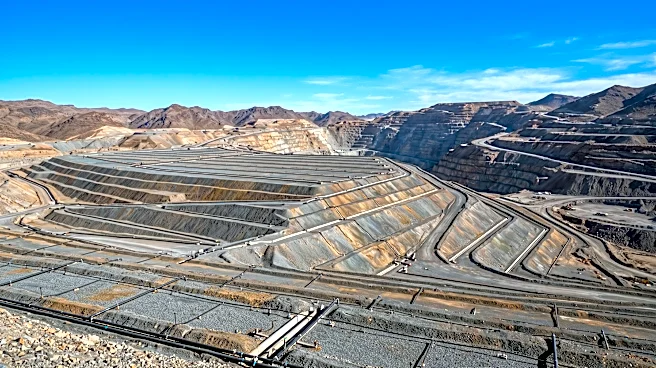
Operations at BHP's Escondida mine in Chile, the world's largest copper mine, are gradually resuming after being suspended due to a fatal accident. A worker was killed on Wednesday while performing maintenance work, leading to an immediate halt in operations.
The company announced on Thursday that it is progressively restarting activities as assessments continue. Other operational areas outside of the main mine operations were also paused, with some activities proceeding at reduced rates. In Chile, mining regulations typically require safety inspectors to verify safe conditions before operations can fully resume following a fatal incident. BHP operates the Escondida mine, with Rio Tinto holding a 30% stake and Japan-based JECO Corp owning 12.5%. The mine is located in Chile's northern Atacama Desert.
Why It's Important?
The incident at Escondida underscores the inherent risks within the mining industry, particularly in large-scale operations like copper extraction. The temporary suspension of operations at the world's largest copper mine can have significant implications for global copper supply and market prices, even if short-lived. Copper is a critical commodity used in various industries, including construction, electronics, and renewable energy technologies. Any disruption to its supply chain can affect manufacturing and development worldwide. Furthermore, the incident highlights the importance of stringent safety protocols and continuous assessment of working conditions to protect the workforce. The requirement for safety inspectors to approve resumption of operations reflects a commitment to worker well-being and preventing future accidents, which is crucial for maintaining industry standards and public trust.
What's Next?
BHP stated it is continuing to assess conditions for a gradual resumption of mine activities, taking into account workforce well-being, operational readiness, risk controls, and applicable authority requirements. This indicates a phased approach to returning to full capacity, prioritizing safety and compliance. Chilean safety inspectors will play a crucial role in verifying that the mine is safe for full operation. The investigation into the cause of the fatal accident will likely continue, potentially leading to revised safety procedures or enhanced training programs to prevent similar incidents in the future. The market will closely monitor the pace of the resumption and any potential long-term impacts on copper production and prices.
Beyond the Headlines
This incident brings to light the broader ethical and social responsibilities of multinational mining corporations. Beyond immediate production and profit concerns, companies like BHP face scrutiny regarding their commitment to worker safety and environmental stewardship. A fatal accident can trigger deeper conversations about the human cost of resource extraction and the balance between economic output and employee welfare. It also highlights the role of regulatory bodies in ensuring compliance and holding companies accountable. The incident could influence investor confidence, particularly those focused on Environmental, Social, and Governance (ESG) criteria, pushing for greater transparency and improved safety records in the mining sector globally. The long-term well-being of the workforce and the communities surrounding such large-scale operations remain a critical, often understated, aspect of these events.