






What's Happening?
Various U.S. road trip destinations are being highlighted for travelers seeking diverse experiences, ranging from coastal drives to mountain scenery and historical routes. Popular options include California’s Pacific Coast Highway, a 7 to 10-night journey
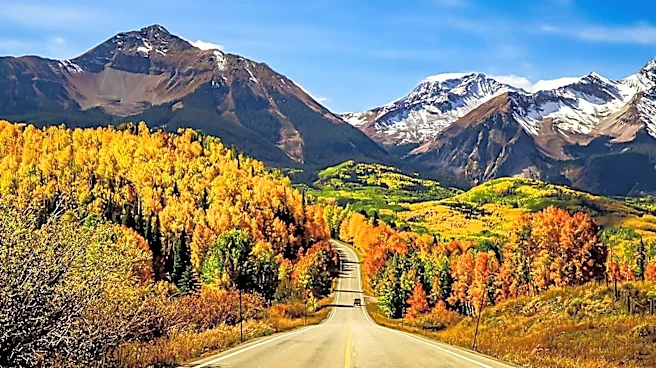
from San Francisco to Los Angeles, ideal for first-time visitors and couples. Route 66, celebrating its 100th anniversary in 2026, offers a 2,400-mile iconic American experience across eight states, typically requiring two to three weeks. The Utah and Arizona Grand Circle provides a 10-night exploration of national parks like the Grand Canyon and Zion. For slower, scenic drives, the Blue Ridge Parkway and Great Smoky Mountains offer 7 to 10-night itineraries through Appalachian landscapes. New England is popular for its autumn foliage routes, often starting in Boston and covering areas like Vermont and the Maine coast. Shorter trips include the Miami to Key West route in Florida, a 3-5 night drive, and the Road to Hana in Hawaii, a brief but scenic journey. Other notable routes include the Northern Rockies, Oregon Coast Highway, the Great River Road, Texas Hill Country, and the Olympic Peninsula in Washington.
Why It's Important?
The emphasis on diverse road trip options across the U.S. is important for the domestic tourism industry, offering varied experiences that cater to different traveler preferences and budgets. These curated itineraries can stimulate local economies in regions spanning from the West Coast to the East Coast and the Midwest. For instance, the Pacific Coast Highway attracts international and domestic tourists, boosting hospitality and related services in California. The centennial celebration of Route 66 in 2026 is expected to draw significant crowds, increasing demand for accommodation and local businesses along its historic path. The promotion of national park routes in Utah, Arizona, and the Northern Rockies supports conservation efforts through tourism revenue and raises awareness of natural landmarks. Additionally, highlighting seasonal attractions like New England's fall foliage or the Florida Keys during specific weather windows helps distribute tourism throughout the year, providing more stable economic benefits to these regions. The variety of trip lengths, from short getaways to multi-week adventures, ensures accessibility for a broad demographic of travelers, contributing to the overall resilience and growth of the U.S. travel sector.
What's Next?
Travelers planning U.S. road trips are advised to consider several factors for upcoming journeys. For popular routes like Route 66, especially during its 100th anniversary in 2026, early booking for accommodation is crucial due to anticipated high demand and potential sell-outs in smaller towns. For national park visits, checking current rules, reservation requirements, permits, and seasonal restrictions is essential, as these can change. Road conditions and seasonal closures, particularly in mountainous regions like the Northern Rockies or New England, should be monitored, as snowpack or wildfires can affect accessibility. Travelers are also encouraged to plan for dynamic pricing, especially during peak seasons like New England's fall foliage, and to account for potential one-way car rental fees if not completing a loop. Additionally, checking local event calendars can help avoid unexpected price surges. The recommendation to limit daily driving to about three hours and include buffer days in longer itineraries suggests a trend towards more relaxed travel, allowing for more immersive experiences and reducing traveler fatigue.
Beyond the Headlines
Beyond the immediate travel logistics, the promotion of diverse U.S. road trips reflects a broader cultural appreciation for exploration and regional identity. Routes like Route 66 are not merely roads but cultural arteries, preserving Americana through diners, museums, and motels that offer a tangible connection to the past. The emphasis on 'slower scenic drives' and 'immersive experiences' suggests a shift from rapid transit to a more contemplative form of travel, where the journey itself is as significant as the destination. This trend can foster a deeper understanding of the varied landscapes, histories, and communities that constitute the U.S. The focus on natural wonders, from coastal views to national parks, also underscores a growing environmental consciousness, encouraging travelers to engage with and appreciate the country's ecological diversity. Furthermore, the detailed advice on planning, such as checking local conditions and booking accommodations strategically, highlights the increasing complexity of travel in an era of dynamic pricing and environmental considerations, pushing travelers towards more informed and responsible tourism practices.