






What's Happening?
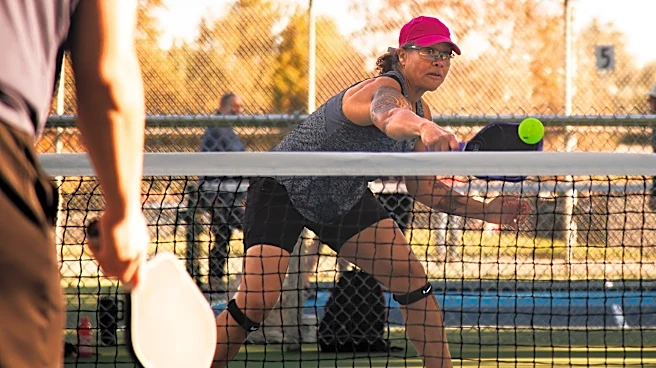
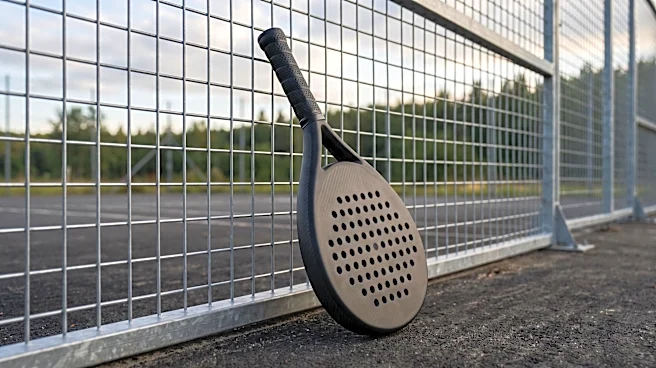
The platform tennis community is facing a 'crisis' regarding its name, as players have historically referred to the sport as 'paddle,' leading to confusion with other racquet sports like padel and paddle tennis. For decades, players have used 'paddle'
interchangeably with platform tennis, but with the global rise of padel, which is pronounced 'paddle' by its millions of players worldwide, the American Platform Tennis Association (APTA) is emphasizing the use of 'platform tennis' or simply 'platform' to distinguish itself. The sport was originally named platform paddle tennis by its creators in the 1920s, and while the APTA officially adopted 'American Platform Tennis Association,' the nickname 'paddle' persisted. The original paddle tennis has also been rebranded as POP tennis, further complicating the terminology. The community has considered and rejected alternative names like Elevated Tennis or Tennis for Beer Drinkers, opting to embrace its unique historical name.
Why It's Important?
The debate over the name of platform tennis is important for the sport's identity, growth, and clear communication within the broader racquet sports landscape. Without a distinct name, platform tennis risks being misunderstood or overlooked, especially as other similar sports gain popularity. Clarity in naming is crucial for attracting new players, securing sponsorships, and establishing a unique brand in a competitive recreational market. The confusion with padel, a rapidly growing sport, could lead to misdirected interest or a diluted identity for platform tennis. By firmly adopting 'platform tennis' or 'platform,' the community aims to preserve its heritage and ensure that its unique characteristics, such as being an outdoor winter sport, are clearly understood. This effort reflects a strategic move to maintain relevance and distinctiveness in an evolving sports environment, impacting its future development and recognition.
What's Next?
The platform tennis community will likely continue its efforts to educate players and the public about the correct terminology, emphasizing 'platform tennis' or 'platform' over 'paddle.' This may involve increased communication campaigns, updated branding materials, and consistent messaging from associations and clubs. The goal is to solidify the sport's unique identity and avoid confusion with other racquet sports. As padel continues to grow in popularity, the need for clear differentiation will become even more critical. The community's welcoming stance towards other racquet sports, viewing them as potential 'gateway drugs' to platform tennis, suggests a strategy of coexistence rather than competition, but clear naming remains essential for this approach to be effective. The success of this initiative will determine how well platform tennis can carve out its niche and attract new enthusiasts in the coming years.
Beyond the Headlines
The 'Not-So-Great Name Debate' in platform tennis highlights a broader challenge faced by many niche sports and cultural activities: maintaining distinctiveness in an increasingly interconnected and globalized world. The evolution of language and the emergence of similar activities can blur boundaries, leading to identity crises. This situation also reflects the power of informal language and nicknames ('paddle') versus official designations ('platform tennis'). Ethically, the community's decision to embrace its historical name, despite its perceived lack of immediate appeal, speaks to a commitment to authenticity and heritage. Culturally, it underscores the importance of community and shared identity, where a name is not just a label but a symbol of tradition and belonging. The long-term implication is that for any specialized activity to thrive, it must not only offer a unique experience but also clearly articulate that uniqueness through its identity, including its name.