






What's Happening?
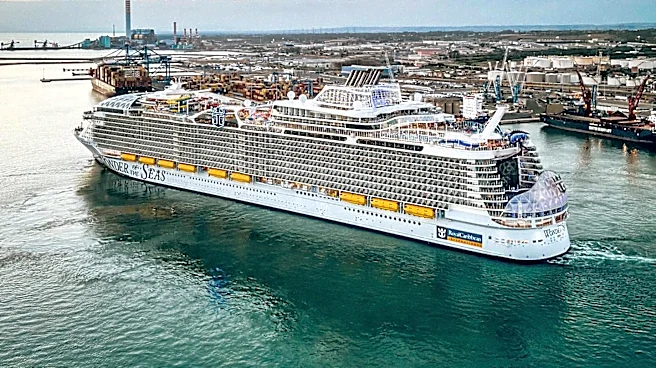
A solo traveler recounted their first cruise experience on Royal Caribbean's Wonder of the Seas in April 2022, highlighting several unexpected aspects of traveling alone on a large cruise ship. Despite extensive prior solo travel, the individual was surprised
by the pricing structure, where booking a room for one person often meant paying a 'single supplement,' effectively doubling the per-person cost compared to a two-person occupancy. For an ocean-view stateroom, the solo traveler paid approximately $2,000, which would have been half the price per person if shared. Socially, the traveler found it surprisingly easy to interact with other cruisers on board and, more significantly, during cruise-line excursions. These excursions fostered deeper connections due to shared experiences and extended time together. However, the traveler also noted being frequently mistaken for a child by cruise-line workers when embarking or disembarking, suggesting solo cruising might be less common for younger individuals. Additionally, securing a pool chair on the crowded ship after noon proved challenging, despite the vessel's size.
Why It's Important?
This account offers valuable insights for the U.S. cruise industry and potential solo travelers. The 'single supplement' pricing model, while a common practice to offset lost revenue from a second passenger, can be a significant deterrent for individuals considering solo cruises, impacting market accessibility and perceived value. The ease of socialization, particularly during organized excursions, suggests that cruise lines could further leverage these activities to attract and cater to solo travelers, potentially developing more tailored social programs. The experience of being mistaken for a child highlights a demographic perception gap; cruise lines might need to refine their understanding and marketing towards younger solo travelers to ensure a welcoming and appropriate experience. The challenge of finding pool seating on a mega-ship like Wonder of the Seas points to a broader operational concern regarding passenger density and amenity availability, which could affect overall guest satisfaction and repeat bookings across the industry.
What's Next?
Cruise lines, particularly those with large vessels, may need to re-evaluate their strategies for solo travelers. This could involve exploring more flexible pricing models, such as offering a greater number of dedicated solo cabins or reduced single supplements, to make solo cruising more financially appealing. Enhancing social programming specifically designed for individuals traveling alone, perhaps through designated meet-ups or curated excursion groups, could also improve the solo travel experience. Furthermore, staff training to better recognize and accommodate adult solo travelers, regardless of age perception, could prevent uncomfortable interactions. Addressing issues like pool chair availability on crowded ships might require stricter enforcement of existing rules against chair-saving or innovative solutions for space management to ensure all guests have access to amenities.
Beyond the Headlines
The solo traveler's experience touches upon broader societal trends regarding independent travel and the evolving demographics of leisure. As more individuals choose to travel alone, the cruise industry faces a growing need to adapt its offerings beyond traditional family or couple-centric models. The 'single supplement' implicitly penalizes solo travelers, reflecting an outdated economic model that doesn't fully account for the increasing demand for individual experiences. This situation also raises questions about the psychological aspects of solo travel on large, communal vessels—balancing the desire for independence with opportunities for connection. The perceived ageism by cruise staff, even if unintentional, underscores a need for greater awareness and inclusivity in customer service, ensuring all guests feel respected and recognized. Ultimately, the success of the cruise industry in attracting and retaining solo travelers will depend on its ability to innovate pricing, social integration, and service delivery to meet the unique needs and expectations of this growing market segment.