



What's Happening?
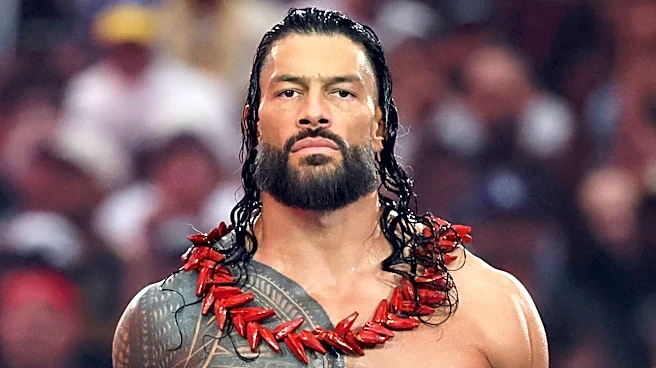
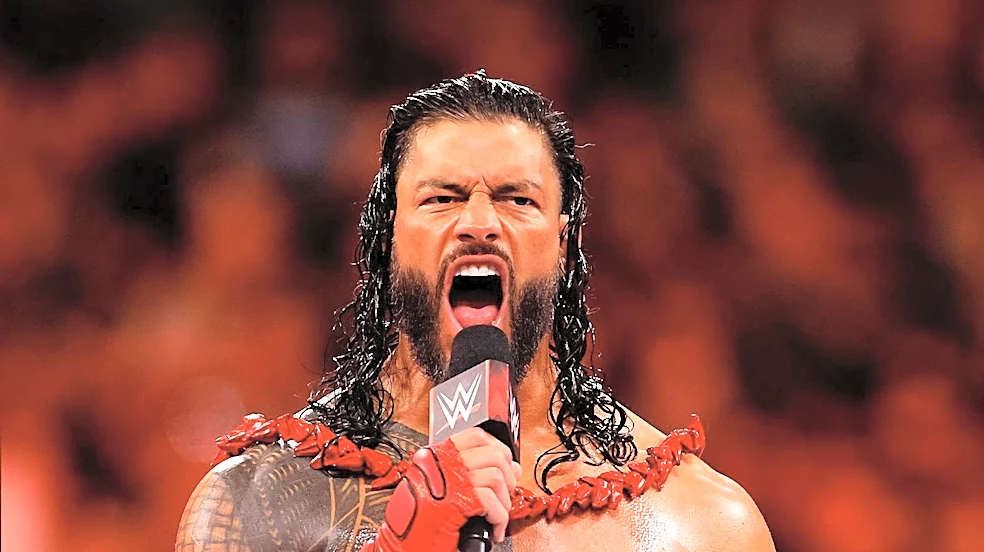
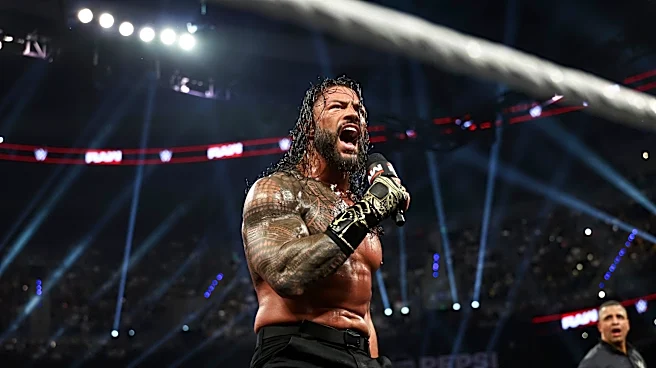
Professional wrestler and actor Roman Reigns, whose real name is Leati Joseph Anoaʻi, recently discussed a memorable and widely criticized 'Sufferin' Succotash' promo from early 2015. During an appearance on Club Shay Shay, Reigns expressed regret over
the segment, wishing he had refused to deliver the lines. He acknowledged that at the time, he lacked the 'equity' within WWE to challenge the script. This particular promo, where he interrupted Seth Rollins on SmackDown and used the phrase, became a significant point of contention among fans and contributed to initial hostility towards his character. Reigns highlighted that despite delivering 'unbelievable work' since then, he is still associated with that specific, poorly received line. He noted that there were a few instances in his early career where he would have preferred to decline certain promos, segments, or match finishes if he had the confidence and standing he possesses today. This reflection underscores the challenges he faced in his formative years as a singles competitor in WWE.
Why It's Important?
This reflection from Roman Reigns offers valuable insight into the creative process and performer agency within professional wrestling, particularly in a major promotion like WWE. It highlights the pressure performers face to adhere to scripts, even when they believe the material is detrimental to their character or performance. Reigns's comment about lacking 'equity' at the time reveals the hierarchical nature of the entertainment industry, where newer or less established talent may have limited power to influence creative decisions. For fans, this provides a deeper understanding of the behind-the-scenes realities and the evolution of a character. It also contextualizes the initial fan backlash Reigns experienced, showing that even the performer recognized the flaws in the material he was given. This transparency can foster a stronger connection between fans and the performer, as it humanizes the struggles and growth of a top-tier athlete and entertainer. It also emphasizes the importance of strong character development and authentic dialogue in building a compelling narrative in sports entertainment.
What's Next?
While Reigns's comments are retrospective, they contribute to the ongoing narrative of his career and character development. His current role as 'The Tribal Chief' and his multiple championships demonstrate a significant evolution from the period he discussed. This reflection may lead to further discussions among wrestling analysts and fans about the creative freedom afforded to performers and the impact of writing on character reception. It could also influence how WWE approaches scripting for its talent, potentially encouraging more collaboration with established stars. For Reigns himself, this candidness further solidifies his current persona as a dominant and self-assured figure, capable of openly addressing past challenges. Future interviews or documentary features might delve deeper into these aspects of his career, offering more behind-the-scenes perspectives on his journey to becoming one of WWE's most prominent figures.
Beyond the Headlines
Reigns's candid admission about the 'Sufferin' Succotash' promo touches upon broader themes of artistic control versus corporate direction in creative industries. It illustrates how a single, ill-conconceived line can disproportionately impact a performer's public perception and career trajectory, even years later. This situation highlights the delicate balance between a company's creative vision and a performer's ability to embody and deliver that vision authentically. The long-lasting memory of this particular promo among fans speaks to the power of language and character consistency in building a compelling narrative. It also implicitly raises questions about the role of audience feedback in shaping creative decisions, as the widespread negative reaction to the promo was undeniable. Ultimately, Reigns's journey from a struggling character to a celebrated 'Tribal Chief' serves as a case study in resilience, adaptation, and the eventual triumph of a performer finding their authentic voice within a structured entertainment environment.