






What's Happening?
Life Time, a fitness organization, is highlighting the role of community and social interaction in its group exercise classes, including cardio and dance classes. According to Wes Robertson, senior classes operations manager at Life Time, these programs
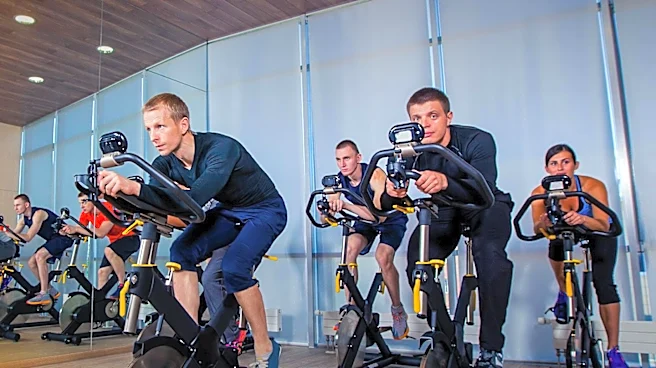
foster a shared purpose among members working towards individual health goals. Joseph David, a five-star ELI group fitness instructor at Life Time Dumbo and Florham Park, N.J., describes his cardio and dance classes as a 'party' where he engages with members after class to celebrate their efforts. The organization notes that the social aspect of these classes, such as indoor cycling, signature group training, mind-body formats like Pilates and barre, and yoga, helps members stay motivated and accountable, making exercise feel less like a chore and more like a social ritual. This approach aims to build camaraderie and a sense of belonging among participants.
Why It's Important?
This emphasis on community in fitness has significant implications for the U.S. health and wellness industry. By transforming exercise into a social ritual, Life Time and similar organizations can potentially increase member retention and engagement, addressing a common challenge in the fitness sector where many individuals struggle to maintain consistent workout routines. The social support and accountability offered by group settings can lead to better adherence to fitness programs, ultimately contributing to improved public health outcomes. For businesses, this model can create a more loyal customer base and differentiate them in a competitive market. Individuals stand to gain not only physical health benefits but also mental well-being through social connection, which is increasingly recognized as a crucial component of overall health.
What's Next?
The trend of integrating social elements into fitness programs is likely to continue and expand across the U.S. fitness industry. Other gyms and wellness centers may adopt similar strategies to enhance member experience and foster community. This could lead to the development of more specialized group classes, social events centered around fitness, and technology-driven platforms that connect members outside of class. Fitness instructors and program developers will likely focus more on creating engaging, community-oriented experiences. For consumers, this means a wider array of options for fitness activities that offer both physical benefits and opportunities for social interaction, potentially making healthy lifestyles more accessible and enjoyable.
Beyond the Headlines
Beyond the immediate benefits of increased engagement and retention, the focus on community in fitness reflects a broader societal shift towards seeking connection and belonging in various aspects of life. In an increasingly digital and sometimes isolating world, fitness classes can serve as vital spaces for real-world social interaction. This approach also subtly redefines the purpose of exercise, moving it beyond mere physical exertion to a holistic activity that supports mental and emotional health through social bonds. The success of such models could influence urban planning and community development, encouraging the creation of more communal spaces that facilitate healthy, interactive lifestyles. It also highlights the ethical dimension of fitness providers recognizing and addressing the human need for connection.