







What's Happening?
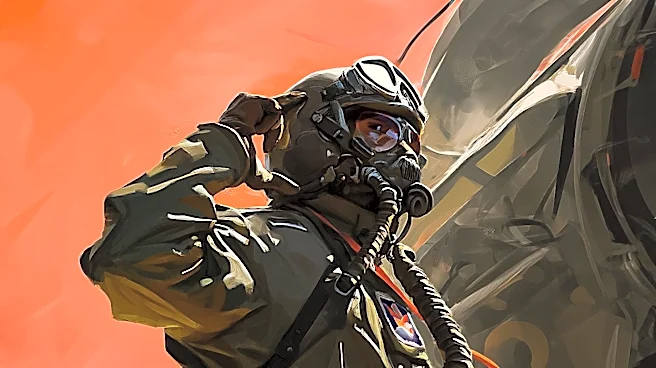
BAE Systems has introduced a new-generation helmet-mounted sight demonstrator, known as Project Intuity, which is set to debut at the Farnborough Airshow. This innovative technology integrates both emerging and established technologies into a flexible
system architecture designed to evolve with future mission requirements. The new helmet-mounted sight offers significant improvements over current systems, including high-resolution displays that enhance the amount of information available in the pilot's natural field of view. This advancement allows for the display of critical safety, sensor, and targeting information directly where pilots need it. The demonstrator also includes protection measures, head tracking, and 3D audio cueing technologies. Engineers have utilized computer modeling, improved microelectronics, and new materials to make the helmet lighter than existing systems. BAE Systems plans to further explore and mature additional capabilities such as display optics and eye tracking.
Why It's Important?
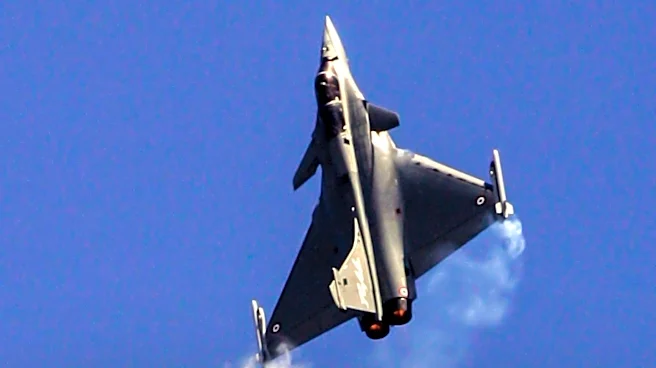
The development of this advanced helmet-mounted sight is significant as it aligns with the trend of combat aircraft increasingly adopting helmet-mounted displays over traditional heads-up displays. This technology is crucial for future operations where pilots will need to process more information from various sources. The helmet's ability to help pilots command fleets of uncrewed aircraft systems (UAS) and filter important information clearly is a critical advancement. This development follows BAE's previous work on the Striker family of helmets, which are used in the Eurofighter. The new Striker II version, which will soon be integrated onto the Typhoon, includes a daylight-readable color display and integrated night vision, further enhancing pilot capabilities.
What's Next?
BAE Systems will continue to refine and enhance the capabilities of the Project Intuity helmet-mounted sight. The company aims to explore additional features such as display optics and eye tracking, which could further improve pilot situational awareness and operational effectiveness. As the technology matures, it is expected to play a pivotal role in the evolution of combat aircraft, potentially influencing future designs and operational strategies. The integration of such advanced systems could also impact the broader defense industry, prompting other manufacturers to innovate and develop similar technologies.