
What's Happening?
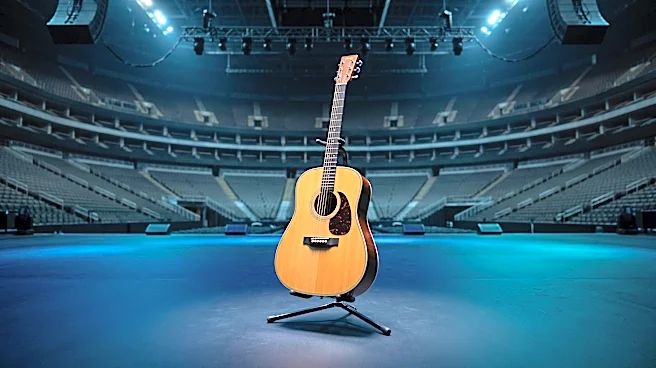
Country singer Zach Bryan wore a 'Free Palestine' shirt during his performance at Gillette Stadium in Foxborough, Massachusetts. This action occurred just weeks after the stadium's owner, Robert Kraft, reportedly prevented rapper Macklemore from performing
at the same venue due to pro-Palestinian comments. Bryan's black tank top featured the 'Free Palestine' message alongside a pine tree and the words 'An Appeal to Heaven.' Several members of Bryan's band also displayed clothing supporting the people of Palestine. The incident at Gillette Stadium follows Macklemore's removal from Ed Sheeran's tour, which Macklemore attributed to Kraft's influence after the rapper made pro-Palestinian statements on stage. Macklemore claimed Kraft warned Sheeran that he would not be allowed to perform at Gillette if Macklemore remained an opening act, and that Kraft enlisted other stadium owners to support this stance. Macklemore's removal led to outrage, with other supporting acts and band members quitting Sheeran's tour in solidarity. Sheeran's subsequent performances at Gillette were ultimately canceled due due to severe weather.
Why It's Important?
This event highlights the increasing intersection of music, celebrity influence, and geopolitical issues within the United States. The public display of support for Palestine by a prominent country music artist like Zach Bryan, particularly at a venue owned by a figure like Robert Kraft who has taken a strong stance against such expressions, underscores the growing pressure on artists to address global conflicts. This situation could influence how venues and promoters handle artists' political expressions, potentially leading to more explicit clauses in performance contracts or increased scrutiny of artists' public statements. For fans, it forces a confrontation with their favorite artists' political views, which can either solidify support or create division. The controversy also brings to light the power dynamics between artists, venue owners, and tour organizers, demonstrating how financial and political leverage can impact artistic freedom and public discourse. The solidarity shown by other musicians and crew members with Macklemore suggests a broader sentiment within the music industry regarding freedom of expression on sensitive topics.
What's Next?
Following Zach Bryan's public display, there could be various reactions from stakeholders. Robert Kraft and the New England Patriots organization might issue a statement or take internal actions regarding the incident, potentially leading to discussions about venue policies on political attire and speech. Other artists might be emboldened to express their views on the Israeli-Palestinian conflict, or conversely, become more cautious to avoid similar controversies. Macklemore has already announced a 'Free Palestine Tour' in Europe, indicating a continued commitment to his stance, which could inspire similar independent initiatives in the U.S. The music industry, including promoters, labels, and streaming services, may face increased pressure to navigate these politically charged performances, potentially leading to new guidelines or a more defined stance on artists' activism. The public's reaction, particularly from Bryan's fanbase and those following the broader Israeli-Palestinian discourse, will also shape the narrative and potentially influence future artist actions and industry responses.
Beyond the Headlines
The incident transcends a simple concert event, touching upon fundamental questions of free speech, corporate influence, and artistic responsibility in a polarized society. The 'Free Palestine' message, particularly in the context of the ongoing conflict, is highly charged and can evoke strong emotions, making its appearance on a major stage a significant cultural moment. This situation also reflects a broader trend where celebrities are increasingly expected, or feel compelled, to use their platforms for social and political advocacy. The differing responses from Robert Kraft and Zach Bryan illustrate the tension between commercial interests and moral or political convictions. It also raises questions about the role of sports and entertainment venues as public forums and the extent to which private entities can or should regulate political expression. The solidarity among musicians, as seen with Macklemore's tour and Bryan's band, suggests a potential shift in collective artist activism, where artists might increasingly support each other against perceived censorship or pressure from powerful figures in the industry. This could lead to a more unified front among artists on certain social and political issues.