


What's Happening?
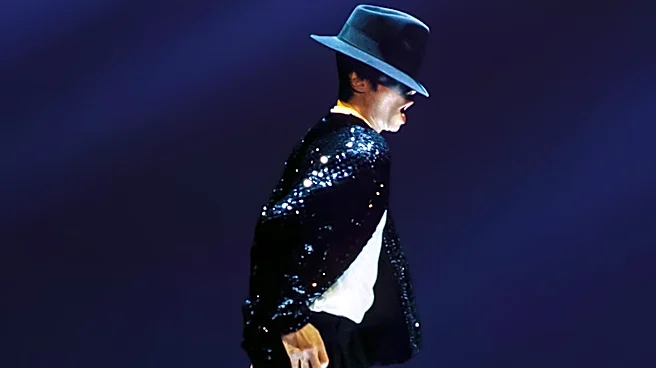
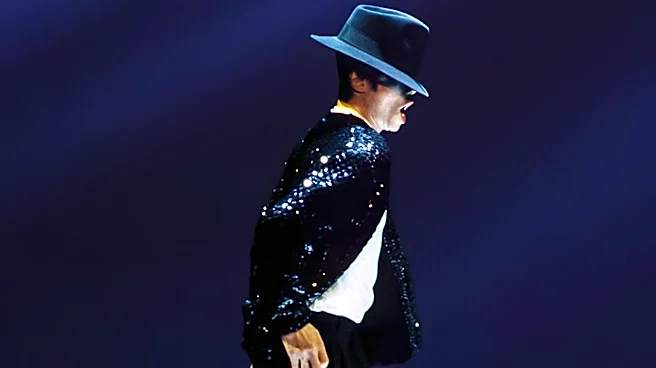
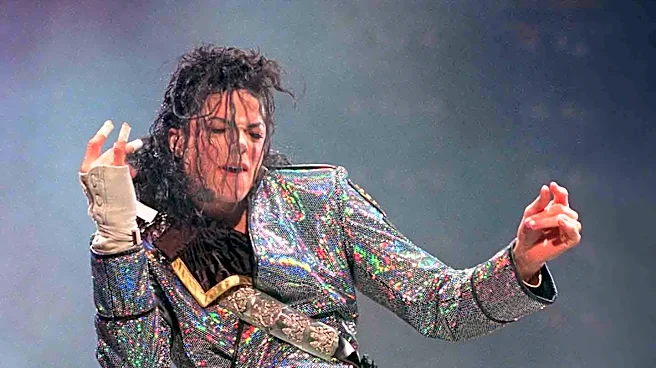
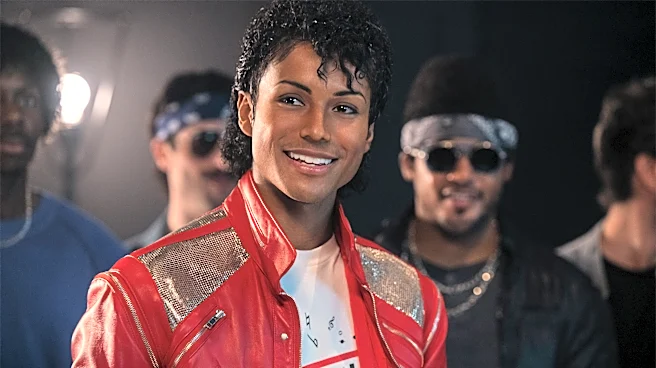
The record-breaking box office hit film 'Michael' will not be submitted for the 2027 BAFTA Film Awards, a decision confirmed by Variety. This unexpected move means that actors such as Jaafar Jackson, Colman Domingo, Miles Teller, and Juliano Krue Valdi,
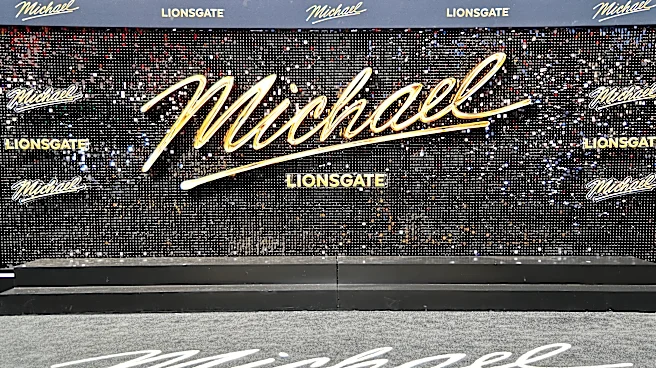
who portrays a young Michael, will not be eligible for longlist voting. The film's entire craft team will also be excluded from consideration. Released in April, 'Michael' achieved significant commercial success, banking $97 million at the domestic box office and $217 million globally on its opening weekend, setting a new record for a music biopic. The film, directed by Antoine Fuqua, became the highest-grossing biopic ever made. Sources cited 'multiple factors' behind the decision, though specific reasons were not disclosed. The decision was made after consultations between Fuqua, producer Graham King, and various stakeholders, including Lionsgate and Universal Pictures.
Why It's Important?
This decision is significant because the BAFTA Awards are widely regarded as a crucial precursor to the Academy Awards, with success at BAFTA often indicating potential Oscar performance. By opting out, 'Michael' foregoes a major platform for critical recognition and industry buzz that could influence its standing in the broader awards season. This could impact the film's overall prestige and the individual recognition of its cast and crew, despite its commercial triumph. The move is particularly unusual given that producer Graham King previously submitted his music biopic 'Bohemian Rhapsody' for BAFTAs in 2019, where it achieved significant success, including an award for Best Lead Actor. The absence of 'Michael' from the BAFTA nominations could alter the competitive landscape for other films vying for awards in 2027.
What's Next?
While 'Michael' will not be eligible for the 2027 BAFTA Film Awards, this decision does not affect its eligibility for other awards. The film may still pursue recognition from other major awards bodies, including the Academy Awards, where BAFTA success is often seen as a strong indicator but not a prerequisite. The industry will likely observe how this strategic choice impacts the film's overall awards season trajectory and whether other major productions might consider similar approaches in the future. The reasons behind the decision, though currently vague, may become clearer as the awards season progresses, potentially revealing insights into evolving awards strategies or underlying industry dynamics.
Beyond the Headlines
The decision by 'Michael' to skip the BAFTAs could reflect a deeper dissatisfaction with the awards process or a strategic shift in how major studios and filmmakers approach awards campaigns. Producer Graham King had previously criticized BAFTA for its handling of an incident at a past ceremony, raising questions about whether this played a role in the current decision. This move could also highlight a growing divergence between commercial success and critical awards recognition, suggesting that some filmmakers may prioritize box office performance or other forms of impact over traditional awards accolades. It prompts a broader discussion about the relevance and influence of established awards ceremonies in an evolving media landscape.