


What's Happening?
A core workout at home for beginners should prioritize exercises that stabilize the spine and pelvis, rather than focusing solely on visible abdominal muscles like those targeted by crunches. According to research by Stuart McGill, the primary function
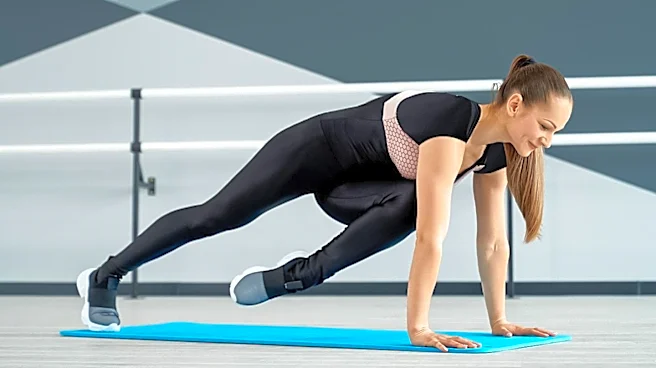
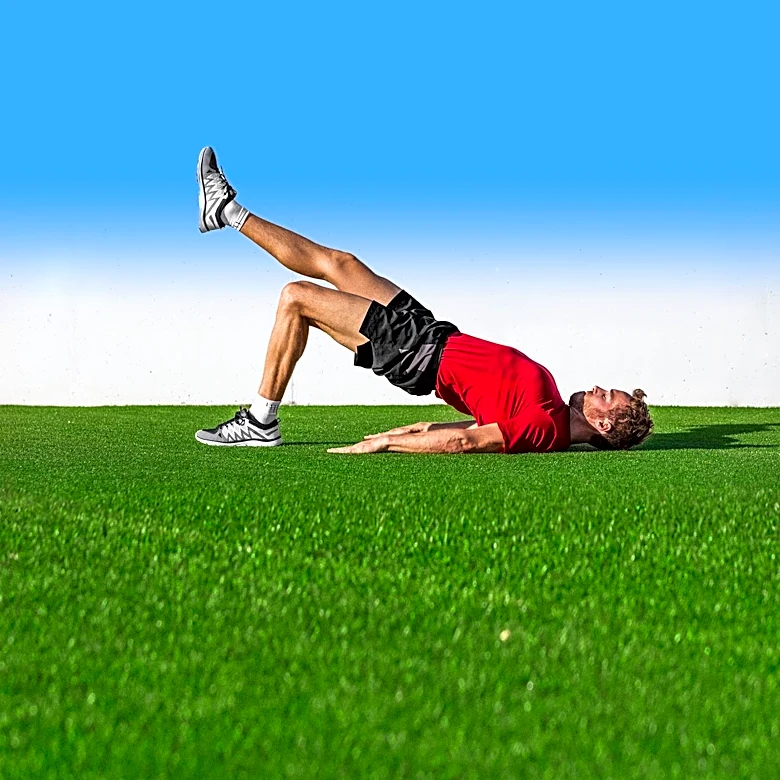
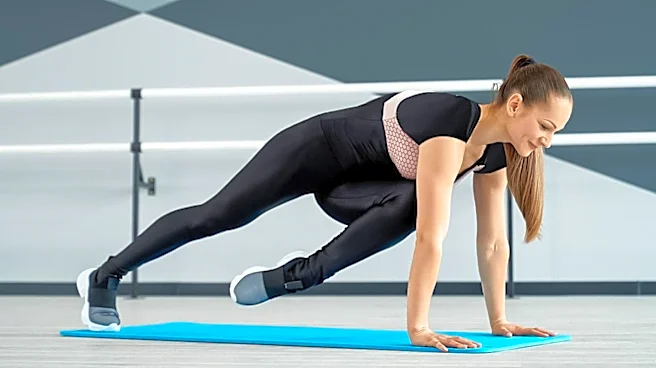
of the core is to resist unwanted motion. Therefore, effective beginner programs, typically lasting about 10 minutes three non-consecutive days a week, should incorporate plank-style and anti-rotation movements. Recommended exercises for beginners include dead bugs, bird dogs, and knee planks. These bodyweight movements, performed on a mat or carpet, train bracing and spine stability without placing excessive load on the lower back. The emphasis is on slow, controlled movements to create challenge, with gradual increases in repetitions or hold times weekly. Daily core training is generally not recommended for beginners, as muscles require rest for adaptation and to avoid fatigue and soreness.
Why It's Important?
This approach to core training is important for public health, particularly for individuals who spend much of their day seated and may experience lower back pain. Traditional exercises like crunches, while targeting the rectus abdominis, often neglect the deeper stabilizing muscles of the core. This can lead to an imbalance that exacerbates back issues rather than alleviating them. By focusing on stability first, individuals can build a more resilient and functional core, which is crucial for overall physical well-being and preventing injuries. This shift in understanding core function impacts how fitness professionals design programs and how individuals approach their exercise routines, moving away from aesthetic-driven goals towards health and injury prevention. The emphasis on bodyweight exercises also makes effective core training accessible to a wider population, as it requires no special equipment.
What's Next?
Individuals starting a core workout regimen are advised to begin with foundational exercises like dead bugs, bird dogs, and knee planks, gradually increasing the intensity as their form improves. The progression involves adding time under tension, lengthening levers (e.g., moving from knee planks to full forearm planks), and testing strength with more challenging variations. It is crucial to prioritize proper form over the duration of holds, as incorrect execution can lead to injury. For those experiencing lower back pain during exercises, adjustments such as pressing the lower back towards the floor, exhaling to drop ribs, and slowing down movements are recommended. If pain persists or radiates, consulting a clinician is advised. Future steps also involve integrating these stability-focused exercises into a broader fitness plan that includes full-body training, aerobic activity, and a balanced diet, as core work alone does not selectively reduce belly fat.
Beyond the Headlines
The re-evaluation of core training methods highlights a broader shift in fitness philosophy, moving from isolated muscle training to functional movement and holistic body mechanics. The emphasis on resisting unwanted motion, as identified by Stuart McGill's research, underscores the intricate role of the core in supporting daily activities and athletic performance. This perspective challenges long-held beliefs about what constitutes an effective 'ab workout' and encourages a more informed approach to physical health. It also touches upon the ethical responsibility of fitness guidance to prioritize long-term well-being and injury prevention over superficial aesthetic goals. The accessibility of bodyweight exercises further democratizes fitness, allowing individuals to build a strong foundation without the need for expensive gym memberships or equipment, fostering a more inclusive health landscape.