

What's Happening?
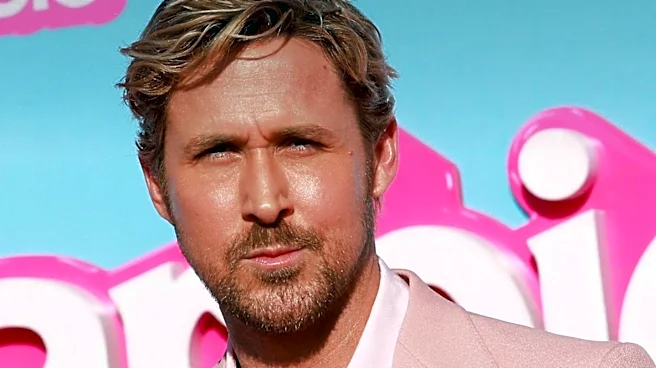
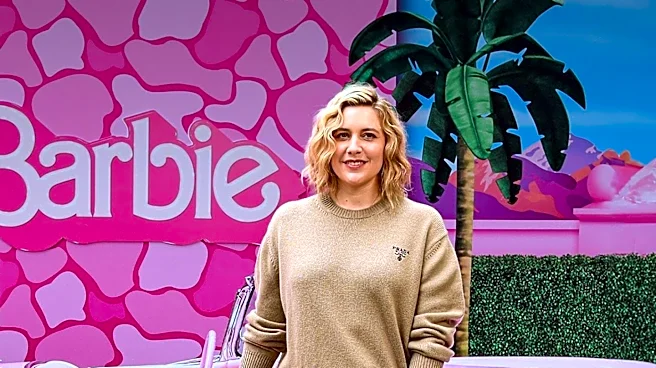
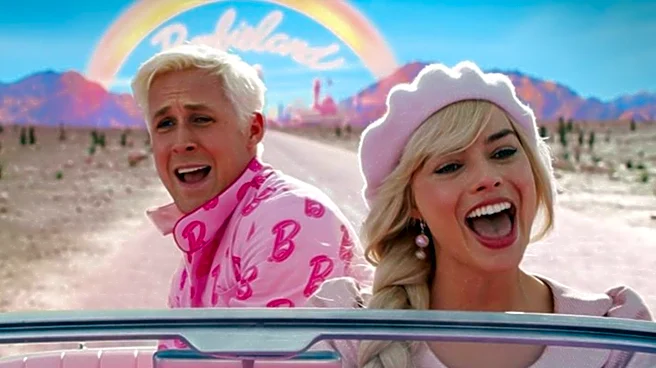
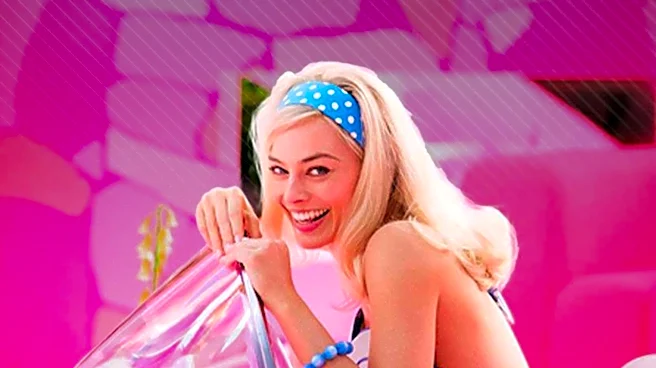
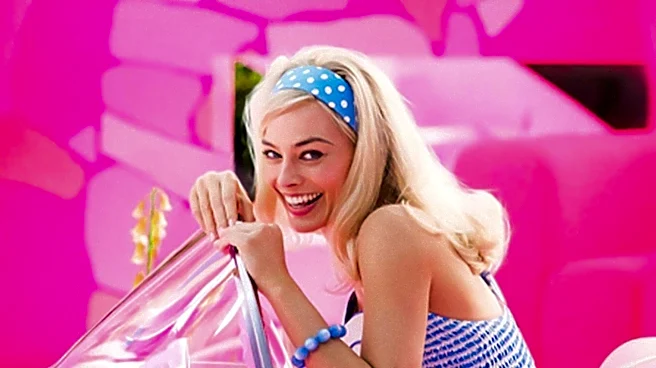
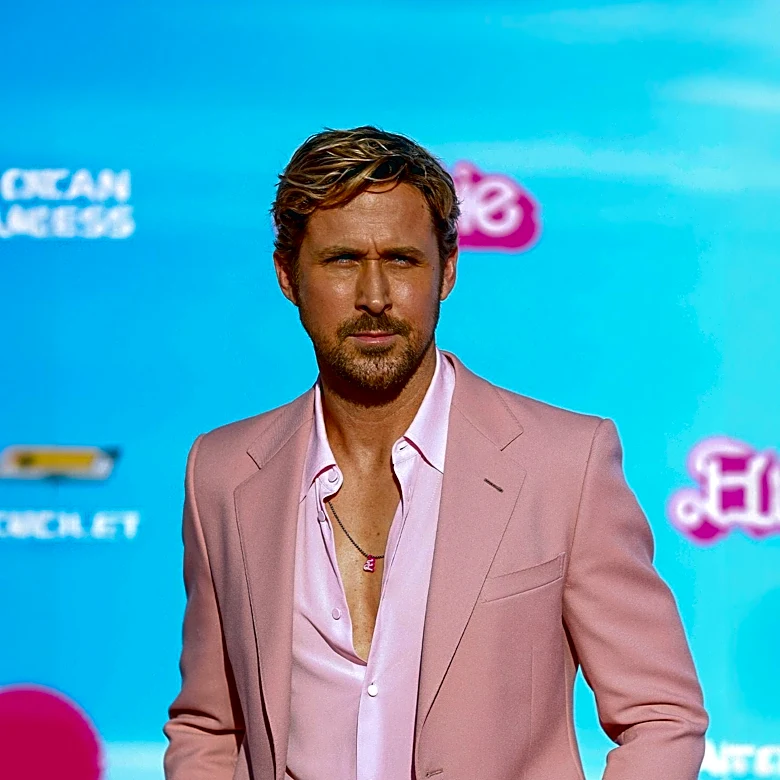
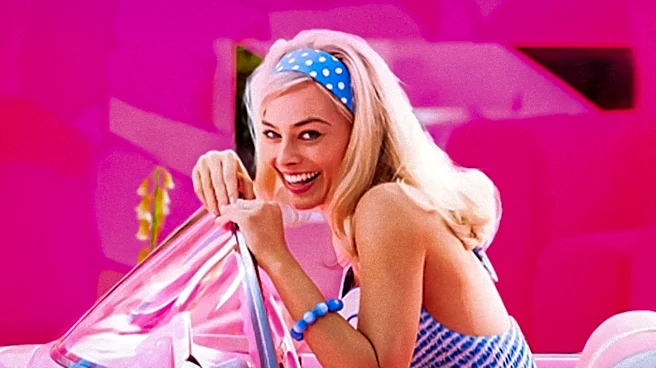
The development of the Barbie sequel has hit a roadblock due to ongoing salary negotiations with key figures from the original film. Margot Robbie, Ryan Gosling, and director Greta Gerwig are in discussions with Warner Bros regarding their compensation
for the sequel. The original Barbie film, released in 2023, was a massive success, grossing $1.5 billion worldwide and becoming Warner Bros' highest-grossing live-action comedy. Despite this, the studio only signed a one-movie deal with Gerwig and did not secure commitments for sequels from the stars. The rights to the Barbie franchise are set to revert to Mattel if agreements are not reached by December, which adds pressure to the negotiations.
Why It's Important?
The stalled negotiations for the Barbie sequel highlight the complexities of talent compensation in Hollywood, especially following a blockbuster success. The outcome of these talks could set a precedent for future negotiations involving high-grossing films. Warner Bros stands to lose significant revenue if the sequel does not proceed, as the original film's success suggests a strong market demand for a follow-up. Additionally, the potential reversion of rights to Mattel could lead to a loss of creative control and financial benefits for Warner Bros. This situation underscores the importance of strategic planning and contract negotiations in the film industry.
What's Next?
If Warner Bros fails to finalize agreements with Robbie, Gosling, and Gerwig by December, the rights to the Barbie sequel will revert to Mattel. This would prevent Warner Bros from using any original story elements from the first film and exclude the involvement of the original cast and director. The studio is under pressure to reach a resolution to avoid losing the lucrative franchise. The outcome of these negotiations will be closely watched by industry stakeholders, as it could influence future talent negotiations and franchise management strategies.