


What's Happening?
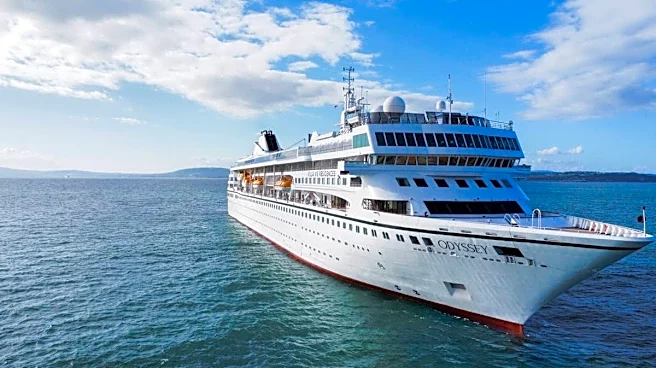
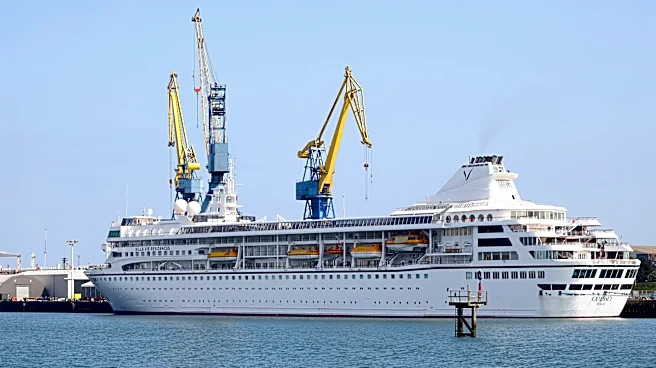
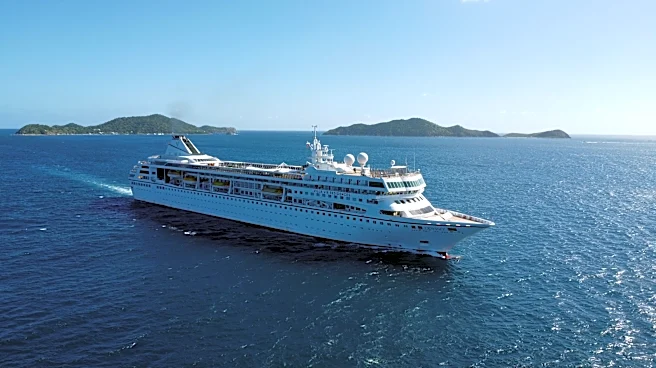
The Villa Vie Residences' cruise ship, the MV Odyssey, has suspended its around-the-world voyage in Cambodia, leaving approximately 200 passengers stranded. The company cited soaring fuel costs and mounting debts as the primary reasons for the abrupt
halt. Mikael Petterson, the founder of Villa Vie Residences, expressed regret and is reportedly considering bankruptcy. The Odyssey, which had marketed its cabins as floating homes with purchase prices starting around $230,000, encountered numerous issues since its acquisition in early 2024. These included unexpected mechanical problems during refurbishment, leading to significant delays. The ship finally departed in late September 2024, four months behind schedule, after addressing issues with rudder shafts, greywater tanks, engines, and regulatory certifications. Despite touring various regions, ongoing itinerary cutbacks and maintenance delays had already prompted some residents to disembark permanently before the final suspension in Sihanoukville, Cambodia.
Why It's Important?
This incident highlights the significant financial risks and operational challenges inherent in long-term residential cruise ventures, particularly for smaller companies. The reliance on a single vessel and susceptibility to external factors like fluctuating fuel prices, exacerbated by global conflicts, can quickly undermine business models. For the U.S. cruise industry, this event could lead to increased scrutiny from consumers and regulators regarding the financial stability and operational transparency of companies offering extended or residential voyages. It also underscores the importance of robust contingency planning and financial hedging strategies for cruise operators. Passengers, many of whom invested substantial life savings into these 'never-ending' cruises, face significant financial losses and logistical nightmares, potentially eroding consumer trust in similar high-investment travel products.
What's Next?
Villa Vie Residences has stated its focus is on supporting the stranded residents, crew, and employees while working towards restructuring and recapitalization over the next 60 days, though no outcome is assured. The founder, Mikael Petterson, is considering bankruptcy, which would have significant implications for passengers seeking refunds or alternative arrangements. The incident may prompt legal actions from affected passengers against the company. Regulators and consumer protection agencies might also investigate the company's practices and financial disclosures, potentially leading to new guidelines or stricter oversight for residential cruise offerings. The broader cruise industry may see a temporary dip in consumer confidence for long-term or residential cruise products, with potential investors becoming more cautious about similar ventures.
Beyond the Headlines
The stranding of the Odyssey's passengers raises deeper questions about the ethical responsibilities of companies offering long-term, high-investment travel experiences. The concept of a 'floating home' appeals to a demographic seeking a unique lifestyle, often involving significant financial commitment and a complete shift in living arrangements. When such ventures fail, the impact extends beyond a canceled vacation, affecting individuals' homes, finances, and sense of security. This event could spark discussions about the need for specialized consumer protections for residential cruise buyers, distinct from those for traditional short-term cruises. It also highlights the vulnerability of niche travel markets to global economic and geopolitical instability, challenging the perception of cruises as insulated, worry-free environments.