





What's Happening?
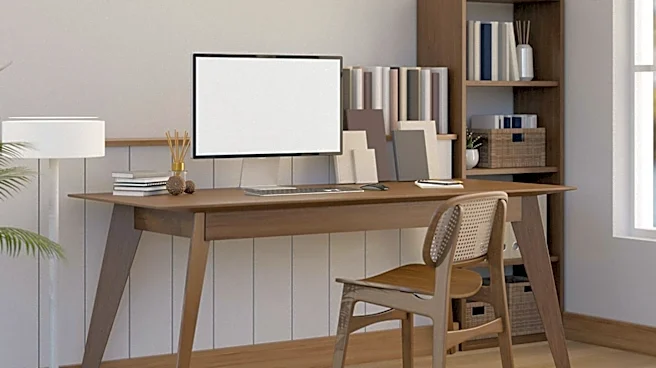
Sean Matthew Robinson, a video editor for Paramount and MTV, including 'RuPaul's Drag Race,' has successfully transformed a corner of his New York City bedroom into a highly functional and inspiring home office. The renovation was part of a year-long
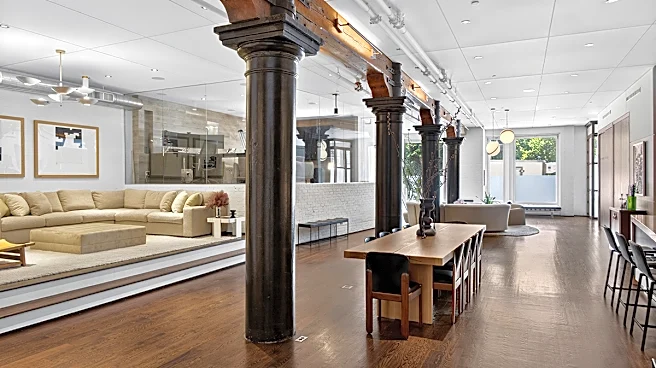
process to remodel his industrial Tribeca apartment, which involved switching the living and sleeping areas. Originally, the front of the apartment served as a communal living nook, with two small bedrooms at the opposite end. With the help of architect Matt Giddens and general contractor Francisco Sosa, Robinson reconfigured the layout, moving his bedroom to the front of the apartment to take advantage of the Ninth Avenue views. This strategic move allowed him to carve out an ideal workspace that reflects his career pride and personal aesthetic. The renovation also exposed original brickwork and beams, contributing to an industrial yet uncluttered feel. Robinson meticulously selected furniture and decor, even Photoshopping pieces into apartment photos to ensure they fit perfectly.
Why It's Important?
This transformation highlights a growing trend in urban living, particularly in high-density areas like New York City, where residents are optimizing limited square footage to accommodate remote work needs. As more professionals transition to working from home, the demand for dedicated, inspiring workspaces within residential settings increases. Robinson's approach demonstrates how thoughtful design and a year-long renovation can create a sanctuary that blends personal comfort with professional functionality. The emphasis on durable materials, vertical storage solutions, and an aesthetic that reflects personal pride in one's career underscores the evolving priorities of remote workers. This trend impacts the real estate market, interior design industry, and furniture manufacturers, as consumers seek innovative solutions for multi-functional living spaces. The meticulous planning and execution, including the use of Photoshop for design visualization, also showcase advanced methods individuals are employing to achieve their ideal home environments.
What's Next?
The success of Robinson's home office transformation may inspire other urban dwellers and remote workers to undertake similar projects, further driving demand for specialized architectural and contracting services focused on maximizing small spaces. We can anticipate a continued emphasis on multi-functional furniture and integrated storage solutions in the interior design market. Additionally, the trend of personalizing workspaces to reflect career identity and provide a sense of calm and inspiration is likely to grow. This could lead to more design firms offering bespoke home office solutions and an increase in content showcasing innovative small-space designs. The long-term impact could also influence residential building designs, with developers potentially incorporating more flexible layouts or dedicated work-from-home zones in new constructions to meet evolving consumer needs.
Beyond the Headlines
Beyond the immediate practical benefits, Robinson's project touches upon deeper psychological and cultural implications of remote work. Creating a 'creative sanctuary' within one's home speaks to the blurring lines between personal and professional life, and the increasing need for individuals to cultivate environments that support both well-being and productivity. The year-long renovation, despite its difficulties, allowed for a deliberate and thoughtful curation of his space, suggesting a shift towards more intentional living and working. The exposed brick and industrial aesthetic, combined with the view of Ninth Avenue, connect him to the city's energy while providing a grounded, calm interior. This balance between external stimulation and internal tranquility is crucial for mental health in demanding urban environments and remote work settings, highlighting the profound impact of physical surroundings on mood and inspiration.