





What's Happening?
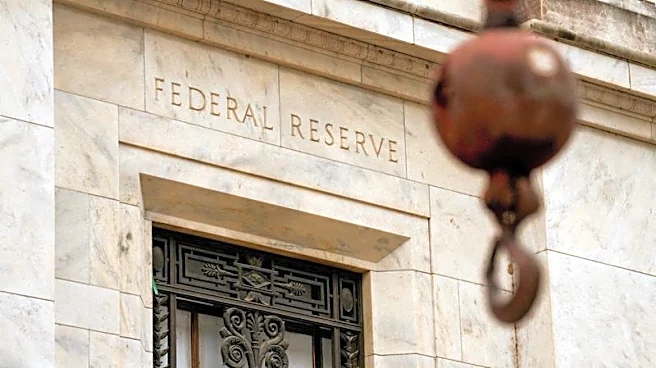
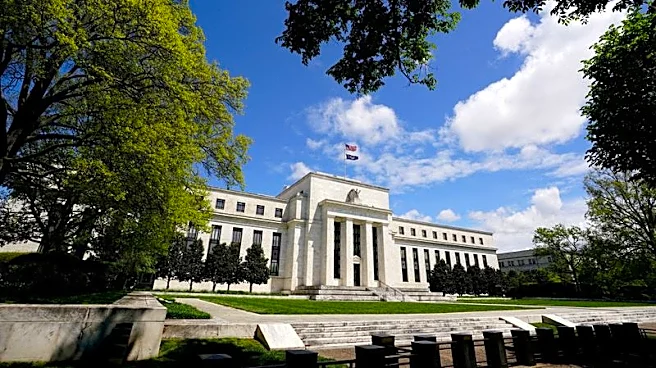
The Federal Reserve has increased its key interest rate for the first time in over three years, raising the target range for the federal funds rate by a quarter of a percentage point to 3.75% to 4%. This decision, announced on Wednesday, is part of the Fed's
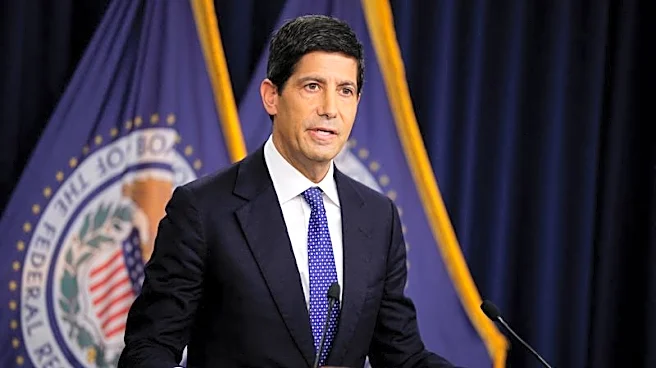
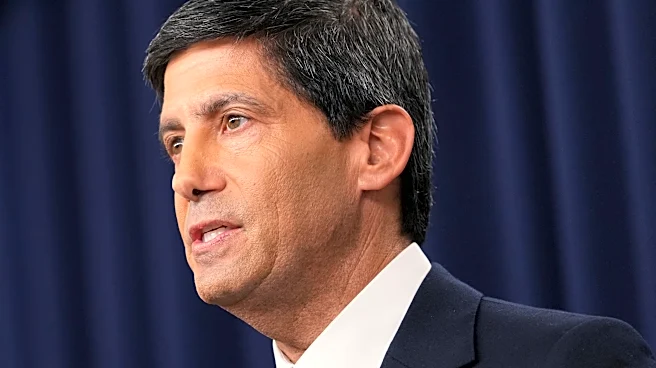
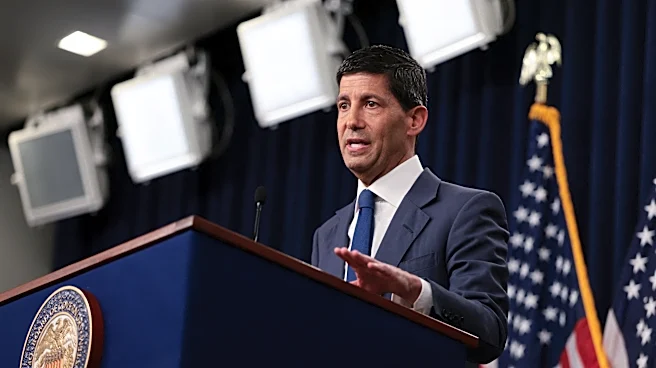
ongoing efforts to combat high inflation. Federal Reserve Chair Kevin Warsh stated that inflation has been too high for too long. While a Fed rate hike can influence borrowing costs across the economy, it does not automatically translate into an immediate or equivalent increase in mortgage rates. Mortgage rates are primarily influenced by the bond market, which often anticipates such moves. Adam Pelletter, a senior mortgage loan officer with Summit Credit Union, noted that mortgage rates had already seen an increase in the past month in anticipation of the Fed's decision, and even dipped slightly on Wednesday after the announcement. Despite this, affordability remains a significant challenge for homebuyers in Wisconsin, with the statewide median home price reaching $360,000 in June, a 5.9% increase from the previous year.
Why It's Important?
This interest rate hike by the Federal Reserve is a critical measure aimed at cooling down the economy and bringing inflation under control. For U.S. consumers, particularly prospective homebuyers, this action has direct and indirect implications. While mortgage rates do not directly mirror the federal funds rate, the overall trend of rising interest rates can lead to higher borrowing costs for various loans, including auto loans and credit cards. The persistent affordability crisis in the housing market, as evidenced by rising home prices and a declining housing affordability index in Wisconsin, means that even without an immediate surge in mortgage rates, many families will continue to face significant financial hurdles. The shift in the housing market, where lower-priced homes constitute a smaller share of available inventory, further exacerbates these challenges, making homeownership less accessible for a broader segment of the population. This situation could lead to a slowdown in housing market activity as buyers become more cautious.
What's Next?
The Federal Reserve's next scheduled policy meeting is set for October 27-28, where further decisions regarding interest rates will be made. Homebuyers and those considering refinancing should continue to monitor these announcements closely, as future rate adjustments could impact their financial planning. Mortgage rates will likely continue to fluctuate based on bond market reactions to inflation data and economic indicators. For the housing market, the current environment suggests that affordability will remain a key concern. While some areas like Madison are seeing less competition among buyers, which could offer a slight reprieve, the underlying issue of high home prices and the cost of borrowing will persist. Experts advise that individuals prioritize affordability based on their personal financial situation rather than attempting to time the market perfectly. The long-term trend will depend on the Fed's success in managing inflation and the broader economic response.
Beyond the Headlines
The Federal Reserve's decision to raise interest rates reflects a broader economic strategy to stabilize prices, but it also highlights the delicate balance between controlling inflation and avoiding a significant economic downturn. The 'affordability crisis' extends beyond housing, impacting various aspects of daily life for American families. The long-term implications could include a re-evaluation of consumer spending habits, investment strategies, and even demographic shifts as people seek more affordable living options. The housing market's current state, characterized by high prices and reduced inventory of lower-priced homes, could lead to increased demand for rental properties, further straining that market. This situation also underscores the importance of financial literacy and planning for individuals and families navigating an unpredictable economic landscape, emphasizing the need for robust personal financial management in an era of fluctuating interest rates and persistent inflation.