









What's Happening?
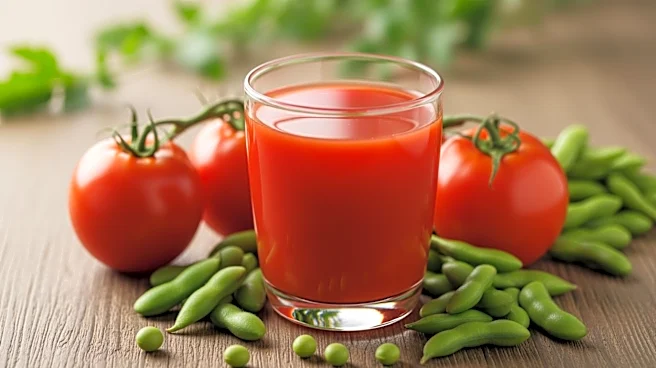
A recent study published in Molecular Nutrition & Food Research has revealed that a combination of tomato and soy juice can significantly reduce inflammation in individuals categorized as obese. The study involved 12 participants who consumed two six-ounce
cans of the juice daily for four weeks. Researchers observed a notable decrease in cytokines, which are pro-inflammatory proteins, in those who drank the tomato-soy juice compared to a control group. The juice's effectiveness is attributed to the presence of lycopene in tomatoes and soy isoflavones, both known for their anti-inflammatory properties. The study, although small, suggests potential benefits for those with inflammatory conditions.
Why It's Important?
Chronic inflammation is a contributing factor to numerous diseases, including rheumatoid arthritis and Crohn's disease. The findings of this study are significant as they offer a simple dietary intervention to combat inflammation, particularly in obese individuals who are at higher risk for inflammatory conditions. The use of natural food products like tomatoes and soy provides an accessible and non-pharmaceutical approach to managing inflammation. This could lead to broader dietary recommendations and influence public health strategies aimed at reducing inflammation-related health issues.
What's Next?
Further research is needed to confirm these findings in larger and more diverse populations. The study's authors are currently exploring the effects of the tomato-soy juice on individuals with pancreatitis, an inflammatory condition of the pancreas. If future studies corroborate these results, it could lead to the development of new dietary guidelines and products aimed at reducing inflammation. Additionally, the food industry might see an increase in demand for products rich in lycopene and soy isoflavones.
Beyond the Headlines
The study highlights the potential of using food as medicine, a concept gaining traction in the wellness industry. It underscores the importance of dietary choices in managing health conditions and could influence cultural attitudes towards food and health. The integration of such findings into everyday dietary practices could promote a shift towards more holistic health approaches, emphasizing prevention over treatment.