







What's Happening?
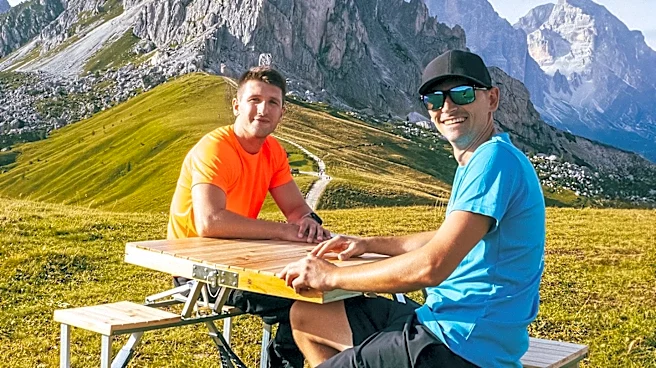
The Friedrich August refuge in the Italian Dolomites, typically a peaceful Alpine waystation for hikers, has experienced an unprecedented surge in visitors. Hundreds of tourists are now flocking to the refuge, not primarily for the panoramic views, but
to try a $4 krapfen pastry, a donut-like delicacy often filled with vanilla cream or apricot preserves. This influx began after food bloggers and influencers promoted the pastry on social media platforms like TikTok, with videos of people eating the krapfen against the idyllic backdrop going viral. The sudden popularity has led to long queues and operational difficulties for the refuge staff, who are struggling to keep up with production and payment systems, with their internet crashing due to the volume of tap payments. Managers note that many new visitors lack hiking experience and proper gear, posing potential safety risks.
Why It's Important?
This phenomenon highlights the significant impact of social media influencers and viral trends on local economies and natural environments. While it brings a boost in business for the refuge, it also creates challenges related to infrastructure, resource management, and the preservation of the area's traditional character. The shift from experienced hikers to casual tourists seeking a viral food item can lead to overcrowding, environmental degradation, and safety concerns for unprepared visitors. This situation underscores a broader issue of 'overtourism' in previously tranquil natural spots, driven by digital trends, and raises questions about sustainable tourism practices and the balance between economic benefit and environmental/cultural preservation. It also affects the experience of traditional visitors who seek solitude and nature.
What's Next?
The managers of the Friedrich August refuge will likely need to implement strategies to manage the overwhelming number of visitors, potentially including limiting pastry production, adjusting pricing, or exploring ways to streamline payment processes. Local authorities and organizations like UNCEM (Italy’s National Union of Mountain Municipalities, Communities and Bodies) may need to intervene to address the broader issue of overtourism in the Dolomites. This could involve implementing visitor quotas, developing educational campaigns for responsible tourism, or even establishing access fees, similar to past measures taken for other popular spots like Seceda mountain. The incident could also prompt other natural attractions to proactively develop plans to mitigate the potential negative impacts of viral social media trends.
Beyond the Headlines
This event delves into the complex relationship between digital culture, tourism, and environmental stewardship. It illustrates how fleeting online trends can have profound real-world consequences, transforming serene natural landscapes into bustling commercial hubs. The story raises ethical questions about the responsibility of influencers in promoting destinations, particularly when such promotion leads to unsustainable tourism. It also highlights a cultural clash between traditional appreciation of nature (solitude, hiking) and modern, experience-driven tourism (seeking viral photo opportunities). The 'krapfen problem' serves as a microcosm for the larger global challenge of managing human impact on natural environments in the age of instant information and mass communication, urging a re-evaluation of how we interact with and preserve our planet's natural beauty.