







What's Happening?
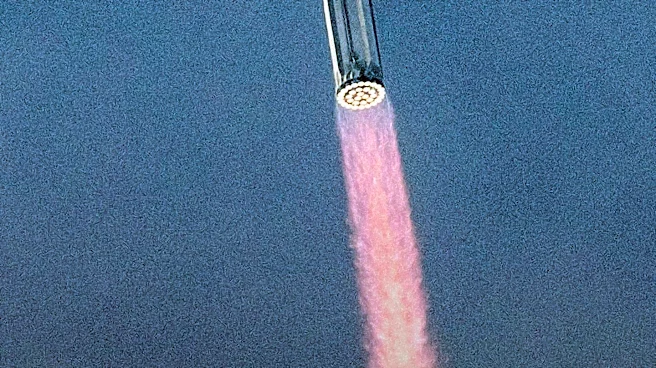
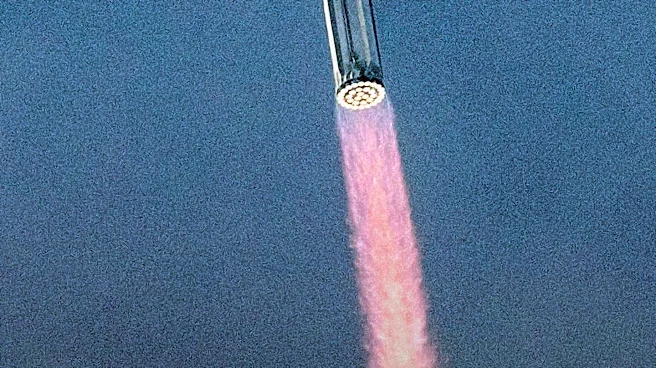
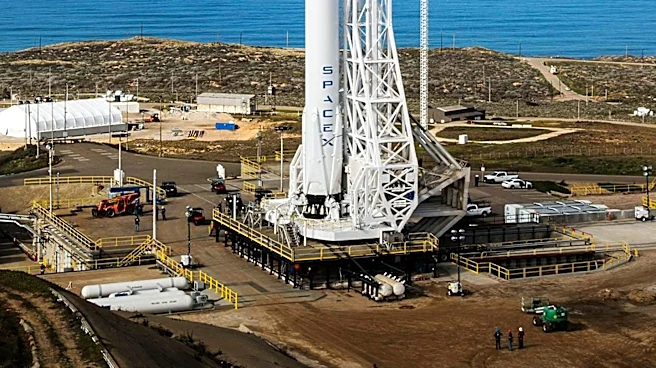
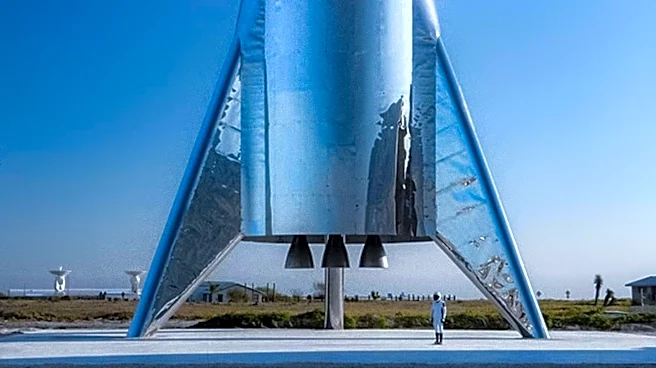
SpaceX is reportedly turning away commercial customers for its Falcon 9 rocket to reallocate resources and personnel towards the development and commercialization of its Starship program, according to Fortune. This strategic shift comes despite the Falcon 9's
significant role in the space launch market, having conducted over half of nearly 330 space flights to low Earth orbit in 2025. The Falcon 9 has been instrumental in launching Earth observation satellites, environmental monitoring spacecraft, and Crew Dragon capsules for astronaut transport to the International Space Station. While SpaceX is winding down the Falcon 9 program for commercial clients, it remains contractually obligated to continue Falcon 9 flights for ISS crew rotations and national security payloads. This move is forcing some customers to pay higher prices for the few remaining Falcon 9 slots or seek alternative launch vehicles from other providers, such as Europe's Ariane 6 or Rocket Lab's Neutron.
Why It's Important?
This strategic pivot by SpaceX carries significant implications for the commercial space industry. The Falcon 9, known for its affordability, high launch cadence, and proven flight record, has been a cornerstone for many startups and governments relying on its services. Its effective retirement for most commercial uses creates a void that no other operational rocket currently matches in terms of combined capabilities. This situation could stifle the growth of the commercial space industry, which has flourished due to the accessible launch services provided by Falcon 9. The reliance on a single dominant provider like SpaceX for critical launch services also presents a national security vulnerability, as a setback for one company could paralyze the entire space economy. The shift forces customers to either adapt to Starship's future availability or incur additional costs and potential delays by reconfiguring satellites for other launch vehicles.
What's Next?
The immediate future will likely see commercial customers scrambling to secure alternative launch options, potentially leading to increased demand and higher prices for services from competing providers like the European Space Agency's Ariane 6 and Rocket Lab's Neutron. Satellite operators may also need to modify their satellites to meet the technical requirements of different launch vehicles, adding to costs and timelines. Experts suggest that government agencies, such as NASA, could play a crucial role by strategically distributing payloads among various commercial providers to foster competition and support the development of alternative rocket programs. Additionally, standardizing payloads for compatibility across multiple rocket types could reduce reliance on a single launch provider. The success and timeline of Starship's development will heavily influence the market dynamics, with potential delays posing further challenges for the industry.
Beyond the Headlines
The situation highlights a broader issue of market concentration and the potential for a single company's decisions to profoundly impact an entire industry. This echoes historical precedents, such as Standard Oil's dominance in the early 20th century, where a single entity controlled critical infrastructure, leading to government intervention to ensure market fairness and prevent a single point of failure. In the space industry, while SpaceX's innovations have democratized access to space, its current strategy could inadvertently create a bottleneck. This development underscores the need for a diversified launch ecosystem to ensure resilience and continued innovation. It also prompts a re-evaluation of how public and private sectors can collaborate to maintain a competitive and robust space economy, potentially through government contracts that incentivize the growth of multiple launch providers and support for smaller institutions in accessing space.