






What's Happening?
Accounting firms are being urged to integrate robust security measures for Artificial Intelligence (AI) keys into their Written Information Security Plans (WISPs). This recommendation comes as AI tools and agents increasingly access sensitive client data,
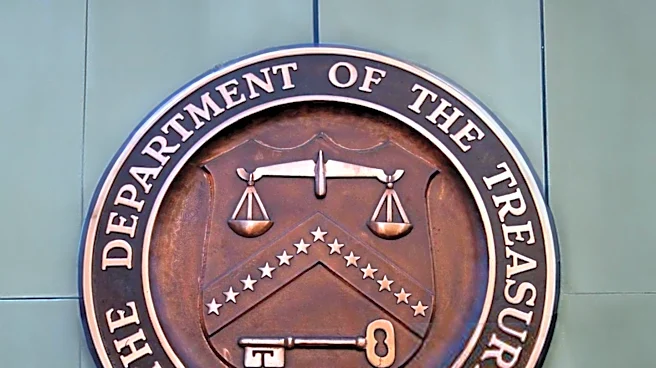
making these keys vulnerable to cyberattacks. The IRS Office of Professional Responsibility and IRS Publication 5708 classify firms completing income tax returns as 'covered financial institutions' under the FTC Safeguards Rule, regardless of size, mandating a WISP. Key security practices include using unique keys per agent and job, scoping each key to the minimum necessary client data, storing keys in encrypted secrets managers, and assigning named owners with rotation dates. Additionally, all sends, filings, and changes to client records must require human approval, and every agent action against its key needs to be logged and reviewed. These guidelines are crucial given recent disclosures of potential compromises of API keys and critical flaws in internet-facing systems like PHP.
Why It's Important?
The integration of AI into accounting practices introduces new cybersecurity risks that could have significant financial and reputational consequences for firms and their clients. If AI keys are compromised, unauthorized parties could gain access to vast amounts of sensitive client data, leading to data breaches, identity theft, and regulatory penalties under the FTC Safeguards Rule. The IRS's classification of tax preparers as financial institutions underscores the stringent security requirements they must meet. Failure to implement these safeguards could result in severe penalties, including fines and loss of client trust. This issue highlights the broader challenge of securing AI technologies across various industries, emphasizing the need for proactive measures to protect digital assets and maintain data integrity in an evolving threat landscape.
What's Next?
Accounting firms are expected to update their WISPs to specifically address the security of AI keys and agents. This will involve a comprehensive review of current security protocols and the implementation of new policies, such as mandatory human approval for high-impact AI actions and regular patching of internet-facing systems. Firms will also need to engage with their AI and hosting vendors to understand their key storage practices and incident reporting procedures. The industry may see an increased focus on continuous monitoring, periodic penetration testing, and vulnerability assessments to ensure compliance with the Safeguards Rule. The ongoing evolution of AI technology will likely necessitate continuous adaptation of security strategies to counter emerging threats and vulnerabilities.
Beyond the Headlines
The push for enhanced AI key security in accounting firms reflects a growing awareness of the ethical and legal responsibilities associated with deploying advanced technologies that handle sensitive data. Beyond mere compliance, the integrity of client financial information is paramount, and any lapse can erode public trust in both the firms and the AI systems they employ. This situation also highlights the 'human in the loop' principle, where critical AI actions still require human oversight to prevent errors or malicious exploitation. The challenges faced by accounting firms in securing AI keys are indicative of broader cybersecurity concerns across all sectors leveraging AI, underscoring the need for a holistic approach to digital security that encompasses technology, policy, and human vigilance.