




What's Happening?
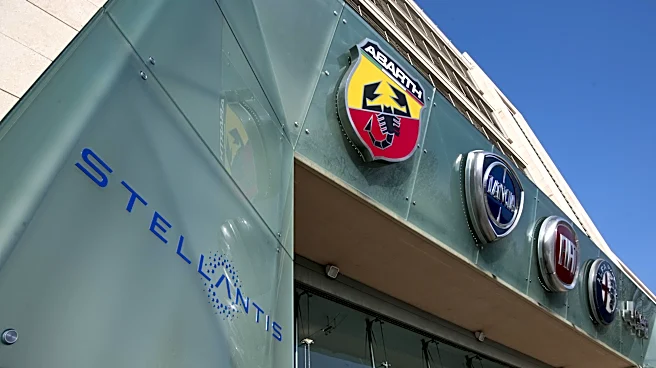
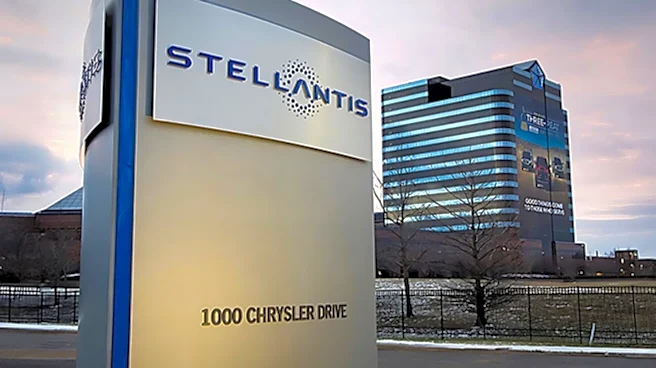
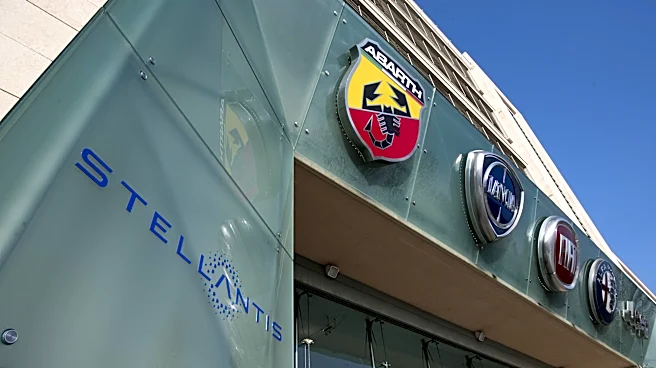
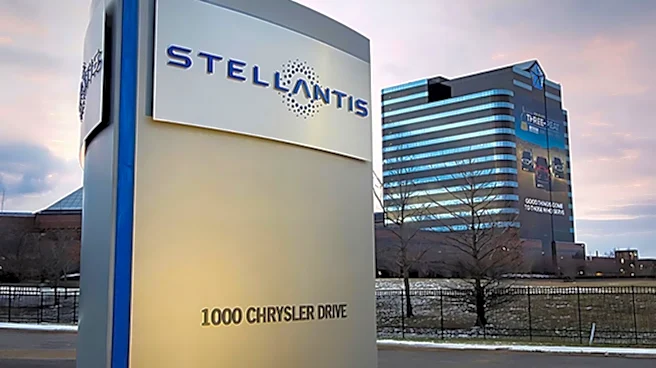
Stellantis NV, a major automotive manufacturer, is withdrawing from auto racing as part of a broader strategy to implement cost cuts and a turnaround plan. According to Bloomberg, CEO Antonio Filosa is facing increasing pressure to demonstrate that the
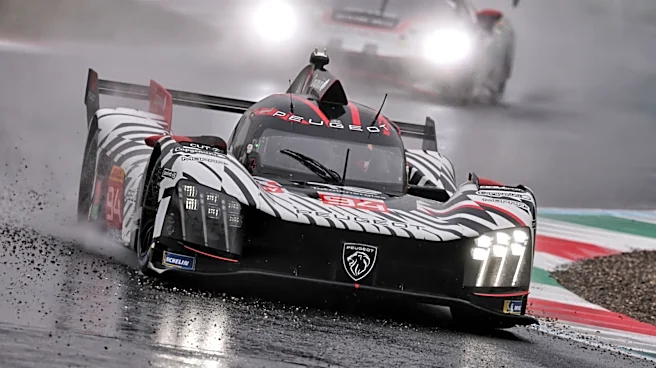
company's efforts to introduce new products and resolve quality issues are yielding positive results. As part of this initiative, Stellantis's Peugeot brand is immediately exiting the World Endurance Championship, while Opel and Citroën will cease their participation in Formula E after the current season concludes. Approximately 200 employees directly involved in motorsport will either be reassigned within the company or continue working on customer racing and rally car operations. The company may also incur charges related to its auto-racing platforms. Filosa's plan aims to reduce expenses while simultaneously addressing rising raw-material and chip costs. Stellantis will, however, continue to support the development of exclusive high-performance models for its Alfa Romeo and Maserati brands, as well as sporty variants for Alfa Romeo, Peugeot, Lancia, and Opel.
Why It's Important?
This strategic shift by Stellantis under CEO Antonio Filosa highlights a significant trend within the automotive industry where manufacturers are re-evaluating their investments in high-cost activities like auto racing in favor of financial stability and product development. The decision to withdraw from racing underscores the intense pressure on automotive executives to deliver tangible results to investors, especially in a challenging economic environment marked by increased raw material and chip expenses. For Stellantis, the move is critical for its turnaround plan, aiming to free up resources that can be redirected towards new product rollouts and quality improvements, which are essential for regaining investor confidence. The CFDT union in France has expressed concern over the decision's impact on employees, viewing motorsport as an 'innovation laboratory,' suggesting a potential trade-off between immediate cost savings and long-term technological advancement or brand prestige. The market's skepticism, reflected in Stellantis shares being down by two-thirds this year, indicates the high stakes involved in Filosa's strategy, which also includes deeper ties with Chinese manufacturers.
What's Next?
Stellantis is scheduled to unveil its strategy for the Maserati luxury brand during a capital markets day on December 10. This event will likely provide further insights into CEO Antonio Filosa's broader turnaround plan and how the company intends to allocate resources following its withdrawal from auto racing. The redeployment or continued employment of the approximately 200 employees previously involved in motorsport will be a key internal process for Stellantis. The company may also face charges related to its auto-racing platforms, which could impact its financial reporting in the near future. The market will be closely watching for signs that Filosa's cost-cutting measures and product development efforts are beginning to yield positive results, particularly given the significant decline in Stellantis's stock performance this year. The success of the updated Grand Cherokee, expected in the second half of 2027, will also be a crucial indicator of the effectiveness of the new product strategy.
Beyond the Headlines
The decision by Stellantis to exit auto racing, following similar moves by other manufacturers like Renault and Porsche, signals a potential paradigm shift in how automotive companies view and utilize motorsport. Traditionally, racing has served as a vital platform for technological innovation, brand promotion, and performance testing. The current trend suggests a re-prioritization towards immediate financial efficiency and core product development, potentially at the expense of these traditional benefits. This could lead to a broader re-evaluation of the role of motorsport in the automotive industry, with companies seeking more direct and measurable returns on investment. The ethical implications for employees, as highlighted by the CFDT union's concerns, also underscore the human cost of such corporate restructuring. Furthermore, the increasing reliance on deeper ties with Chinese manufacturers, as part of Filosa's strategy, points to a growing global interconnectedness in the automotive sector, with potential long-term geopolitical and economic implications for supply chains and market competition.