



What's Happening?
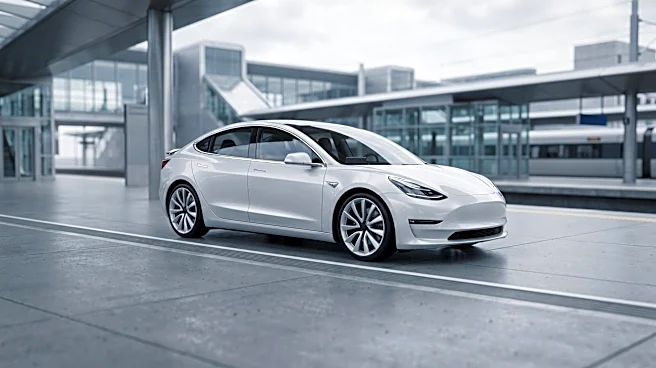
The Electric Vehicle Association of the Philippines (EVAP) has urged the government to extend zero tariffs on imported electric vehicles (EVs) until 2040 to sustain industry growth and adoption. This recommendation comes as Executive Order 12, issued
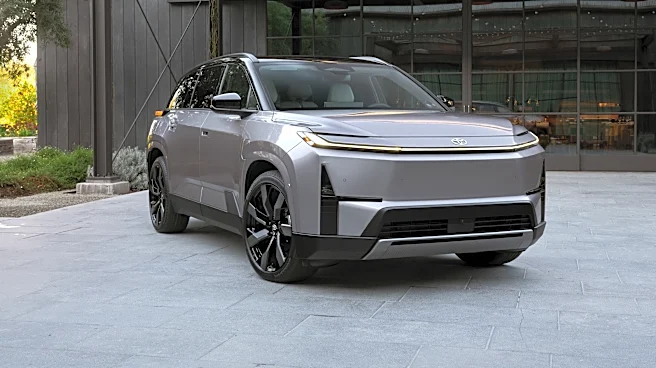
in 2023, temporarily reduced the most-favored nation import duty rate to zero percent for specific EVs, parts, and components. In 2024, this tariff exemption was expanded to include e-motorcycles, e-bicycles, nickel metal hydride accumulator batteries, e-tricycles, hybrid electric vehicles, and plug-in hybrid electric vehicle jeepneys or buses. This policy has led to rapid market expansion, with sales of electrified vehicles (xEVs) more than doubling in the first nine months of the year, while sales of gas-powered vehicles declined.
Why It's Important?
The debate centers on whether the Philippines should remain a passive consumer market for imported EVs or strive to become a regional industrial power by fostering local production. While zero tariffs accelerate immediate consumer adoption by making foreign imports cheaper, there's a concern that prolonged reliance on tariff-free imports could undercut the domestic industry. This approach risks driving consumption without building local manufacturing capacity, supply chains, or retaining economic value within the country. The Philippines faces a persistent trade deficit, and importing vehicles instead of producing them leaks value offshore. Additionally, rising EV imports under current zero-tariff policies could lead to billions in lost government revenues, despite making EVs more accessible.
What's Next?
As the Philippines plans its next EV strategy phase, the government must weigh the benefits of extending tariff relief for consumer adoption against the opportunity cost of potential factory, parts, and technology investments tied to local production. To support local industry, President Ferdinand Marcos Jr. signed Executive Order 121, establishing the EV Incentive Strategy (EVIS) Program. This program offers fiscal incentives, including Fixed Investment Support covering up to 40% of capital expenditures for battery electric vehicles and 30% for hybrids, to qualified manufacturers. The crucial question is whether the business environment will provide compelling reasons for manufacturers, regardless of origin, to invest, produce, and build supply chains in the Philippines.
Beyond the Headlines
This situation highlights a common dilemma for developing economies: how to balance immediate consumer benefits with long-term industrial development. While cheaper imported EVs can quickly boost adoption and address environmental concerns, they can also hinder the growth of a nascent domestic manufacturing sector. The EVIS Program is a step towards addressing this, aiming to create jobs, strengthen supply chains, and improve the trade balance. The shift from pure import incentives towards capturing local manufacturing value is a trend seen across ASEAN nations like Malaysia, Thailand, and Indonesia. The Philippines' decision will determine whether it becomes primarily an EV import destination or a regional production hub, with significant implications for its economic future and industrial capabilities.