



What's Happening?
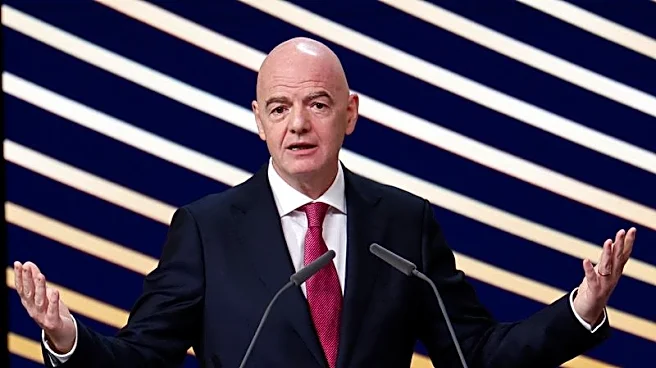
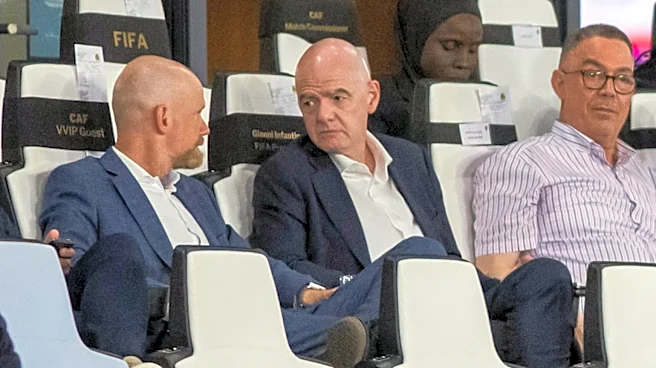
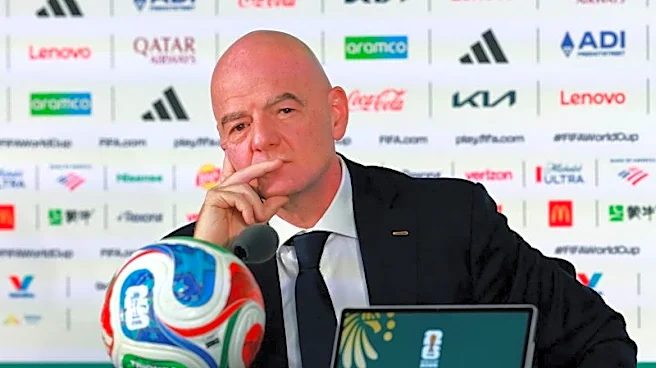
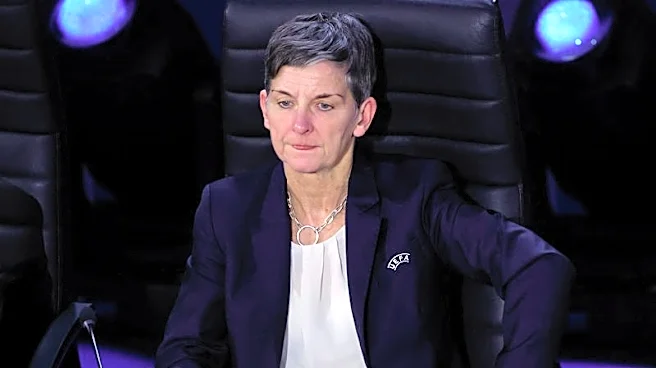
Lucy Bronze, a prominent Chelsea and England right-back, has expressed her support for UEFA's decision to potentially boycott all FIFA competitions. This stance is taken to protect the integrity and future of football, particularly in light of controversies
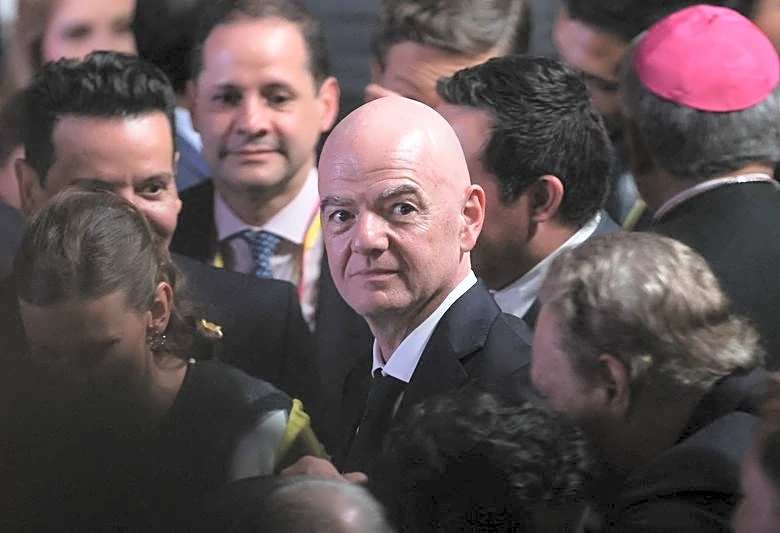
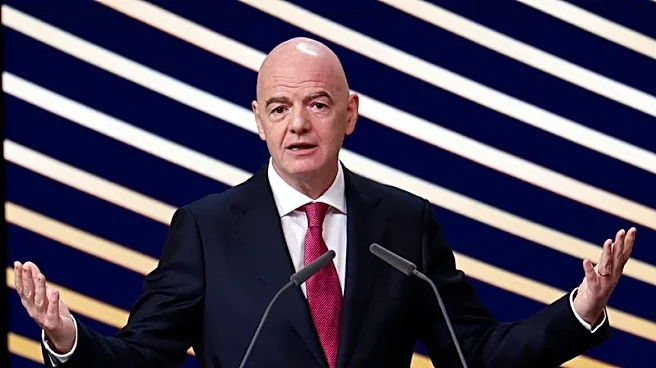
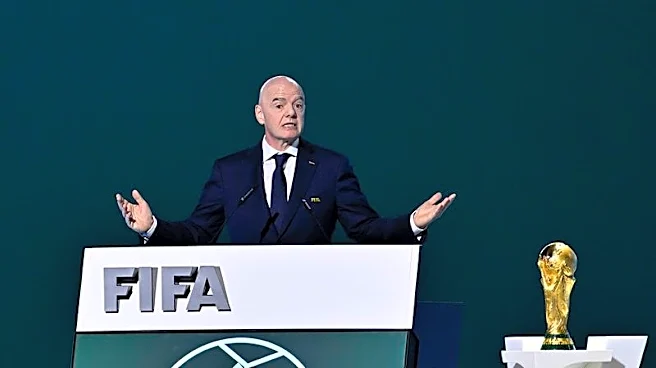
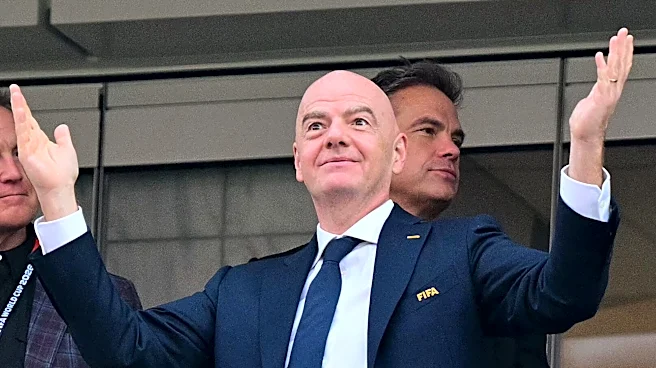
surrounding FIFA President Gianni Infantino's proposed Fifa Forward Enterprise scheme. UEFA's threat includes the possibility of boycotting next summer's Women's World Cup. Bronze emphasized the importance of standing by the principles that benefit the game in the long term, even if it means missing out on major competitions. The potential boycott could also affect the upcoming Under-20 Women's World Cup in Poland, where England is set to compete.
Why It's Important?
The potential boycott by UEFA represents a significant stand against FIFA's current leadership and policies, highlighting ongoing tensions within international football governance. This move could have far-reaching implications for the structure and administration of global football tournaments. For players, especially those in Europe, this could mean missing out on key international exposure and competition. However, it also underscores a commitment to ethical governance and the long-term health of the sport. The decision could influence other football associations and stakeholders to reconsider their positions on FIFA's management and policies.
What's Next?
If UEFA proceeds with the boycott, it could lead to a significant reshaping of international women's football competitions. Stakeholders, including national teams and sponsors, will need to navigate the implications of such a decision. There may be increased pressure on FIFA to address the concerns raised by UEFA and potentially reform its governance practices. The situation could also prompt discussions about alternative international competitions or the restructuring of existing ones to ensure fair play and ethical management.
Beyond the Headlines
The boycott highlights broader issues of governance and ethics in sports organizations. It raises questions about the accountability of global sports bodies and the influence of commercial interests on decision-making. The situation also reflects a growing trend of athletes and associations taking a stand on ethical issues, potentially leading to a more transparent and accountable sports environment. This development could inspire similar actions in other sports, promoting a culture of integrity and fairness.