






What's Happening?
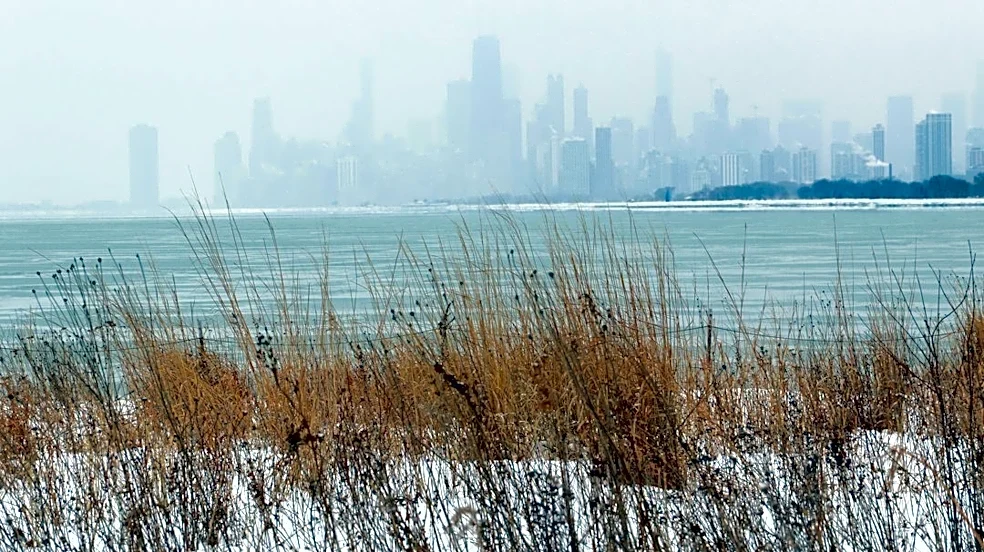
Jellystone Park Camp-Resort in Caledonia, Wisconsin, is being promoted as an accessible family weekend getaway option for residents of Chicago, specifically designed to avoid the stresses associated with air travel. The resort emphasizes its convenient
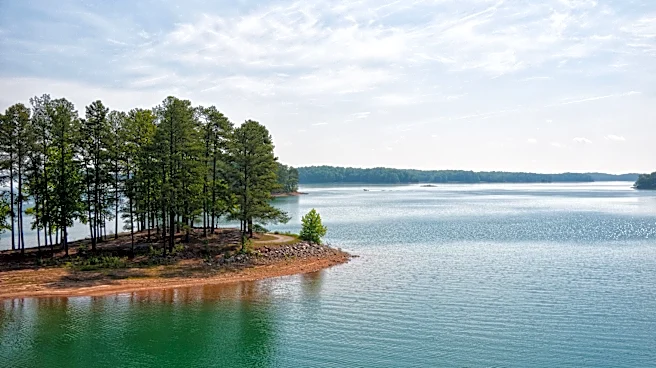
location just off the I-94 corridor, allowing for an easy drive without navigating complex backroads. This accessibility is highlighted as a key benefit for families with young children, enabling them to bring more essentials and start their vacation sooner. The park aims to provide a 'big vacation energy' experience that feels distant from city life despite its proximity. Amenities like Bear Paw Beach are mentioned as contributing to the relaxing and scenic atmosphere, enhancing the getaway experience for families seeking a break from routine without extensive travel.
Why It's Important?
This offering is important for the U.S. tourism and hospitality industry, particularly for regional travel markets. It addresses a growing consumer desire for convenient, stress-free family vacations, especially in the post-pandemic era where domestic road trips have gained popularity. For families in major metropolitan areas like Chicago, the appeal of a drivable destination that minimizes travel-related hassles (like airport security, delays, and baggage limits) is significant. This trend can boost local economies in areas surrounding such resorts, supporting small businesses and creating employment opportunities. It also reflects a shift in consumer behavior towards valuing ease of access and a quicker start to leisure activities, potentially influencing how other resorts and travel destinations market themselves to nearby urban populations. The focus on a 'real getaway' feeling without the typical travel burdens could set a precedent for similar regional tourism strategies.
What's Next?
The success of Jellystone Park Camp-Resort's strategy in attracting Chicago families could lead to increased bookings and potentially inspire similar family-oriented resorts near other major U.S. cities to emphasize drivable, hassle-free vacation experiences. Marketing efforts will likely continue to highlight the convenience of location, the variety of on-site activities, and the ability to avoid air travel complications. Other regional attractions might adapt their offerings to cater to this demand for short, impactful getaways. The resort may also explore expanding its amenities or introducing new themed events to maintain its appeal and competitive edge. Furthermore, the trend could encourage local governments and tourism boards to invest in improving road infrastructure and promoting regional attractions to capitalize on the growing market for drivable vacations.
Beyond the Headlines
The emphasis on 'drivable escapes' and 'big vacation energy' without the typical travel burdens points to a broader cultural shift in how American families perceive and plan leisure time. It suggests a prioritization of immediate gratification and reduced logistical stress over exotic or distant destinations. This trend could have long-term implications for the travel industry, potentially leading to a re-evaluation of investment in local and regional tourism infrastructure versus international travel. Ethically, it promotes a more sustainable form of tourism by reducing carbon footprints associated with air travel. Culturally, it reinforces the value of family bonding through accessible, shared experiences, potentially fostering a renewed appreciation for local and regional attractions. This shift might also influence urban planning, with more families seeking residences that offer easier access to such recreational opportunities, thereby impacting suburban and exurban development patterns.