





What's Happening?
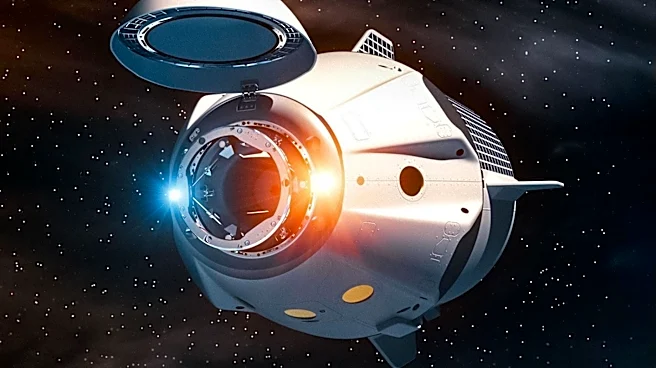
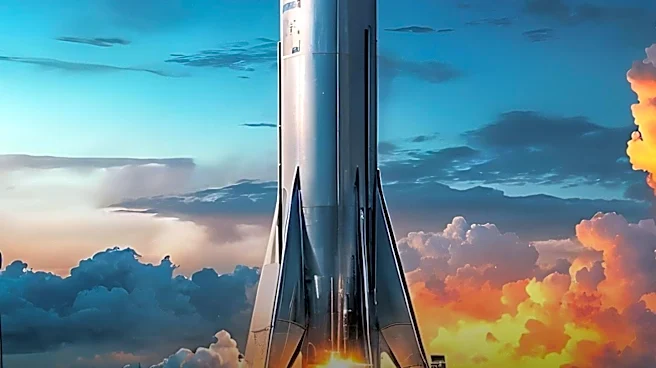
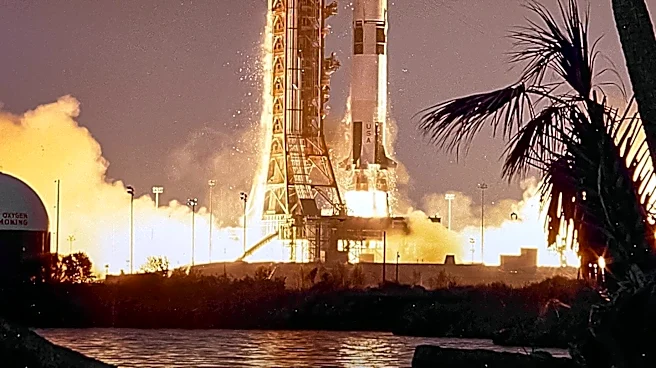
SpaceX is navigating the future of its Crew Dragon spacecraft as it transitions to the larger Starship vehicle. The Crew-13 mission to the International Space Station (ISS) is scheduled for launch no earlier than September 12, marking the second flight
of the Crew Dragon spacecraft named Grace. SpaceX has no plans to build additional Crew Dragon spacecraft beyond the five currently in service, although the company is working with NASA to extend their lifetimes. Demand for Crew Dragon remains high, with NASA and other agencies planning additional missions. However, there are concerns about the long-term availability of Crew Dragon, especially for commercial space stations that will succeed the ISS.
Why It's Important?
The transition from Crew Dragon to Starship has significant implications for the commercial spaceflight industry. Crew Dragon has been a reliable vehicle for transporting astronauts to the ISS, and its potential phase-out could impact future commercial space station operations. The shift to Starship, which is larger and capable of carrying more passengers, represents a technological advancement but also introduces uncertainties regarding its integration with existing and future space infrastructure. The continued collaboration between SpaceX and NASA is crucial for maintaining the U.S.'s leadership in space exploration and commercial spaceflight.
What's Next?
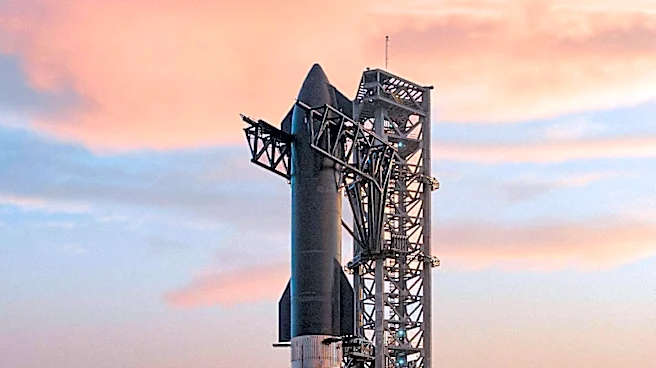
SpaceX plans to operate Crew Dragon and Starship concurrently as it continues to develop and improve Starship. The company is working with NASA to ensure ongoing support for the agency's missions while advancing Starship's capabilities. The transition's technical implications for future commercial stations remain uncertain, and industry stakeholders will be watching closely to see how SpaceX manages this shift. NASA's approach to procuring transportation services for commercial stations will also influence the market dynamics and partnerships within the space industry.