
What's Happening?
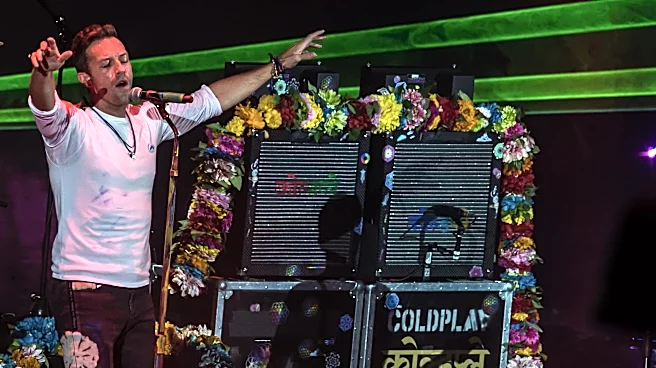
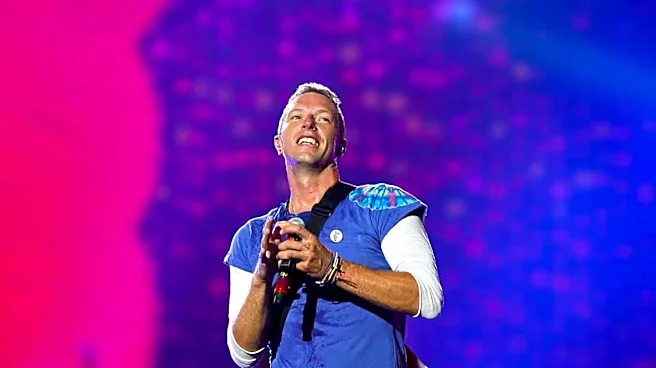
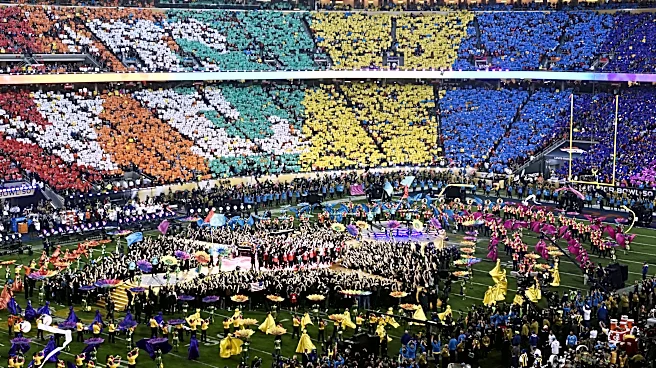
Coldplay's lead singer, Chris Martin, became the subject of widespread internet memes and jokes following his performance at the Super Bowl 50 halftime show on February 7, 2016. The nickname 'Sidelined
Chris Martin' emerged as many viewers felt he was overshadowed by co-performers Beyoncé and Bruno Mars, who garnered significant attention during their segments. Social media users, particularly on Twitter and Instagram, quickly began photoshopping Martin's image, often replacing his face with 'Crying Michael Jordan' or swapping him out for 'Left Shark' from the previous year's Super Bowl halftime show. The meme typically depicted Martin looking out of place or attempting to fit in between the more dynamic performances of Beyoncé and Bruno Mars. This phenomenon peaked within 24 hours of the broadcast, with various media outlets compiling roundups of the viral content.
Why It's Important?
The 'Sidelined Chris Martin' meme highlights the significant role of social media in shaping public perception and creating viral cultural moments during major live events like the Super Bowl. It demonstrates how quickly an individual's performance, even by a globally recognized artist, can be reinterpreted and disseminated through humor and digital content. This event also underscores the power of co-performers in high-profile shows, where the dynamics between artists can inadvertently lead to one being perceived as less prominent. For artists and event organizers, it serves as a reminder of the unpredictable nature of audience reception and the potential for performances to become internet phenomena, regardless of initial intentions. The meme's longevity, being remembered alongside other iconic halftime show memes, indicates its cultural impact and how it contributed to the broader narrative of Super Bowl halftime show history.
What's Next?
While the immediate virality of the 'Sidelined Chris Martin' meme has subsided, its legacy continues to influence how Super Bowl halftime performances are discussed and anticipated. Future halftime show headliners and their co-performers will likely be scrutinized for their stage presence and interaction dynamics, with the potential for similar 'sidelining' narratives to emerge. The incident also reinforces the trend of live events generating immediate, widespread social media commentary, which can either amplify or alter the intended impact of a performance. Event producers may consider these social media dynamics when planning future collaborations to ensure all artists receive equitable attention and avoid unintended humorous interpretations.
Beyond the Headlines
The 'Sidelined Chris Martin' meme delves into the psychological aspect of public performance and perception, particularly in an era dominated by instant digital feedback. It reflects a collective audience tendency to identify and humorously exaggerate perceived imbalances in star power or stage presence. The meme also touches upon the vulnerability of even established artists to become subjects of internet humor, regardless of their professional standing. Furthermore, the anecdote about Martin's daughter, Apple, warning him about becoming a meme before the show, adds a layer of human irony, suggesting an awareness of the internet's potential to create viral content even within the artists' inner circles. This event serves as a cultural touchstone for understanding how digital media can transform a live performance into a lasting, humorous narrative.