



What's Happening?
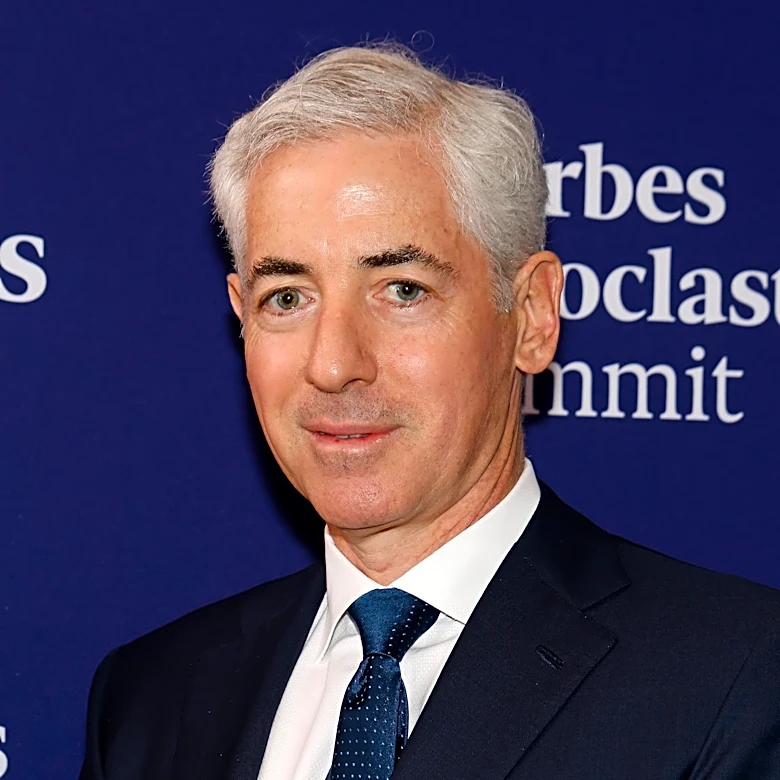
Dan Loeb's hedge fund, Third Point, has significantly increased its investment in Meta Platforms (META), making it the fund's largest holding. As of September 30, Third Point opened a new position of 655,000 shares valued at $475 million, representing
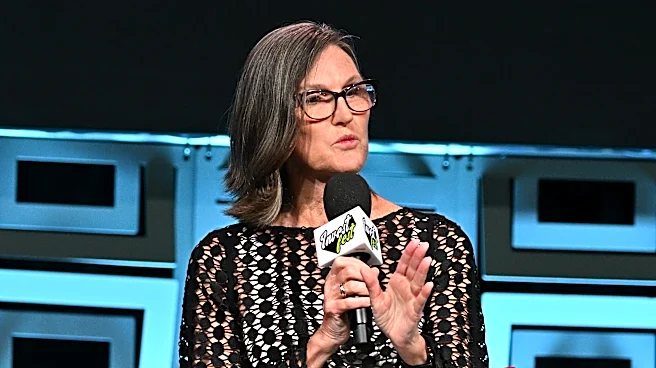
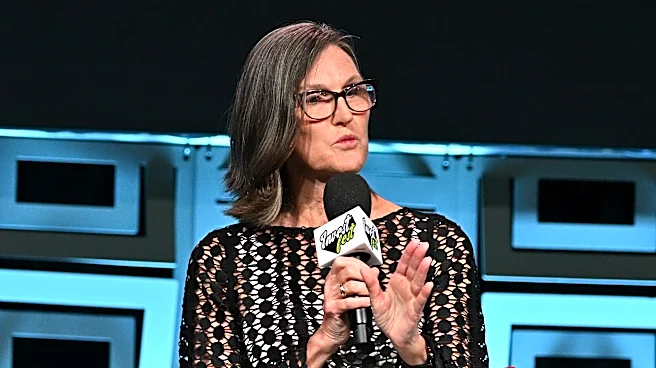
10.5% of its 13F stocks. This move comes as Meta's stock has experienced an 18% decline since September 30, primarily due to investor concerns over its substantial AI spending. Despite these concerns, Meta's ad business demonstrated strong growth, with third-quarter revenue increasing by 26% to $64.6 billion. Other prominent investors, including Brad Gerstner's Altimeter Capital, Cathie Wood's ARK Invest, and George Soros' Soros Fund Management, also increased their stakes in Meta. Conversely, David Tepper's Appaloosa reduced its stake by 22%, selling approximately $109 million worth of stock.
Why It's Important?
This significant investment by Dan Loeb and other major investors signals a bullish outlook on Meta Platforms, despite prevailing market anxieties about the company's capital expenditures. The divergence in investment strategies among prominent fund managers highlights a key debate within the financial community regarding Meta's future trajectory. Those increasing their stakes appear to be betting on the long-term value of Meta's core social media business and its potential in AI, viewing the current stock valuation as attractive. Meta trades at 18 times forward earnings, which is below its five-year average of 21 times. The company's ability to continue growing its ad revenue, which rose 14% in the third quarter, is a critical factor supporting the buyers' case. The outcome of this investment trend could influence broader market sentiment towards tech giants investing heavily in AI and shape perceptions of Meta's strategic direction.
What's Next?
The next critical juncture for Meta Platforms and its investors will be in late January when the company reports its fourth-quarter earnings and outlines its capital expenditure plans for 2027. Analysts currently project $203 billion in capex for 2027. If Meta's planned spending significantly exceeds this consensus without a corresponding robust revenue outlook, it could validate the concerns of investors like David Tepper who have reduced their holdings. Conversely, a clear strategy that justifies the investment in AI and demonstrates continued ad revenue growth could bolster confidence among those who have increased their stakes. The next round of 13F filings, due in mid-February for the quarter ending December 31, will reveal how these major funds adjusted their positions in response to Meta's performance and guidance.
Beyond the Headlines
The differing investment approaches to Meta reflect a broader philosophical divide in the investment world regarding growth versus value, particularly in the context of disruptive technologies like AI. Investors like Loeb are seemingly prioritizing long-term growth potential driven by AI innovation, even if it means short-term pressure on free cash flow. This strategy implies a belief that Meta's substantial investments in AI infrastructure will eventually yield significant competitive advantages and new revenue streams, solidifying its market position. The debate also touches upon the sustainability of high capital expenditure in the tech sector and how markets will value companies that prioritize future technological dominance over immediate profitability. The success or failure of Meta's AI strategy, as reflected in its stock performance, could set a precedent for how other large tech companies approach similar large-scale, long-term investments.