






What's Happening?
The U.S. job market experienced a significant slowdown in June, with nonfarm payrolls increasing by only 57,000, according to the Bureau of Labor Statistics. This figure is lower than most estimates and follows downward revisions for April and May. The unemployment
rate fell to 4.2%, but this was accompanied by a drop in labor force participation to 61.5%. The leisure and hospitality sector saw the largest decline since 2020, losing 61,000 jobs, despite expectations of a boost from the FIFA World Cup. Meanwhile, healthcare and social assistance sectors continued to lead job growth.
Why It's Important?
The sharp decline in hiring suggests that the U.S. labor market is facing challenges despite recent signs of strength. The drop in labor force participation indicates that fewer Americans are working or seeking work, which could have implications for consumer spending and economic growth. The mixed job market data may influence the Federal Reserve's approach to interest rates and inflation, as policymakers assess the broader economic outlook. The slowdown in hiring could also impact sectors reliant on consumer spending, such as retail and hospitality.
What's Next?
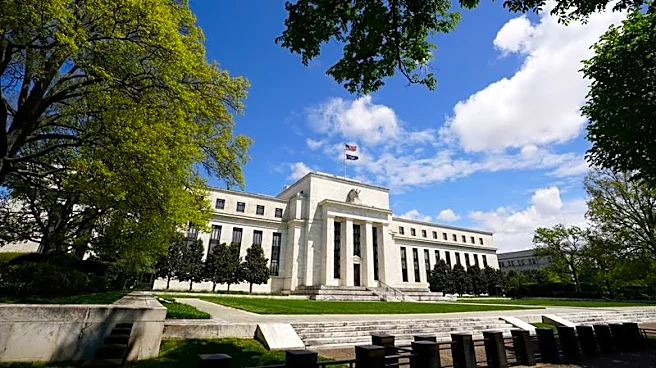
The Federal Reserve is likely to closely monitor the labor market as it considers future interest rate decisions. The ongoing geopolitical tensions and their impact on inflation will also be key factors in shaping economic policy. Employers may remain cautious in their hiring practices, and sectors like healthcare and technology could continue to drive job growth. The upcoming release of inflation data will provide further insights into the economic landscape and inform policy decisions.