







What's Happening?
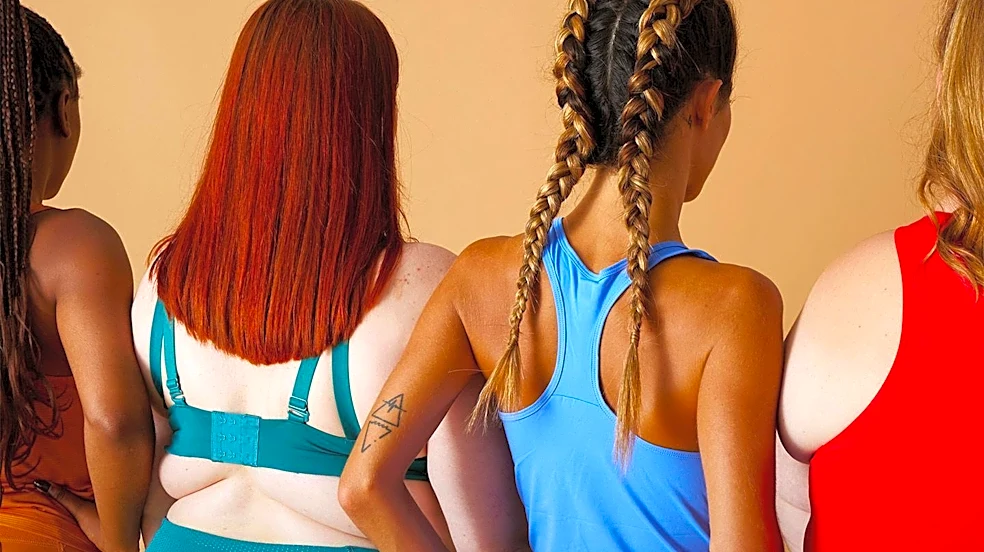
The Sports Illustrated Swimsuit Issue has evolved its editorial approach, moving away from purely aesthetic curiosity to emphasize empowerment and representation. This shift includes featuring a wider array of body types, ages, and backgrounds. The magazine's
focus has transitioned from highlighting 'slips' or 'scandals' to celebrating the confidence of its subjects. This change reflects a broader cultural movement towards body neutrality and realism, where imperfections and anatomical reality are embraced. The publication, which began as a way to fill winter sports news, has historically navigated the line between athleticism, fashion, and suggestive aesthetics, often using specific locations, lighting, and wardrobe choices to create provocative yet natural looks. The modern narrative frames models in sheer suits or daring cuts as statements of body autonomy, aiming to attract a new demographic that values authenticity over airbrushing.
Why It's Important?
This editorial shift by a prominent publication like Sports Illustrated is significant because it challenges long-standing, often unrealistic, beauty standards perpetuated in media. By embracing body neutrality and realism, the magazine contributes to a more inclusive representation of the human form, potentially influencing how beauty is perceived and portrayed across the fashion and media industries. This move can empower individuals by promoting self-acceptance and reducing the pressure to conform to narrow ideals. For the industry, it signals a growing demand for authenticity and diversity, which could lead to broader changes in casting, styling, and marketing strategies. The magazine's ability to maintain relevance for over half a century by adapting to cultural shifts demonstrates the power of media to shape and reflect societal values, impacting consumer expectations and brand responsibilities.
What's Next?
The continued evolution of the Sports Illustrated Swimsuit Issue is likely to further solidify its role in the ongoing conversation about body image and representation. Other media outlets and fashion brands may follow suit, adopting more inclusive practices to resonate with a diverse audience that increasingly values authenticity. The magazine's approach could also encourage more open discussions about the desexualization of the human body in media, presenting it in an athletic and healthy light rather than purely pornographic. This could lead to a 'middle ground' in mainstream media, allowing content to exist professionally without being relegated to 'adult-only' categories. The focus on authenticity and diverse body types is expected to continue shaping consumer expectations, potentially driving further innovation in how fashion and media represent individuals.
Beyond the Headlines
The shift by Sports Illustrated has deeper implications beyond immediate editorial changes. It highlights a cultural re-evaluation of what constitutes 'beauty' and 'desirability,' moving towards a more holistic understanding that includes diverse body types and experiences. This evolution can contribute to a more positive body image among the general public, particularly young women, by counteracting the often-damaging effects of hyper-sanitized and unrealistic portrayals. Ethically, it underscores the responsibility of influential media platforms to promote healthy body perceptions and challenge conventional norms. Legally, while not directly addressed, a more inclusive approach could potentially mitigate future scrutiny regarding objectification or discriminatory practices. Culturally, it signifies a long-term shift towards greater acceptance and celebration of individual differences, potentially fostering a more inclusive and empathetic society where self-worth is not solely tied to appearance.